Flamingo Island Dubai in 2026 : Discovering Dubai’s Secret Flamingo Island
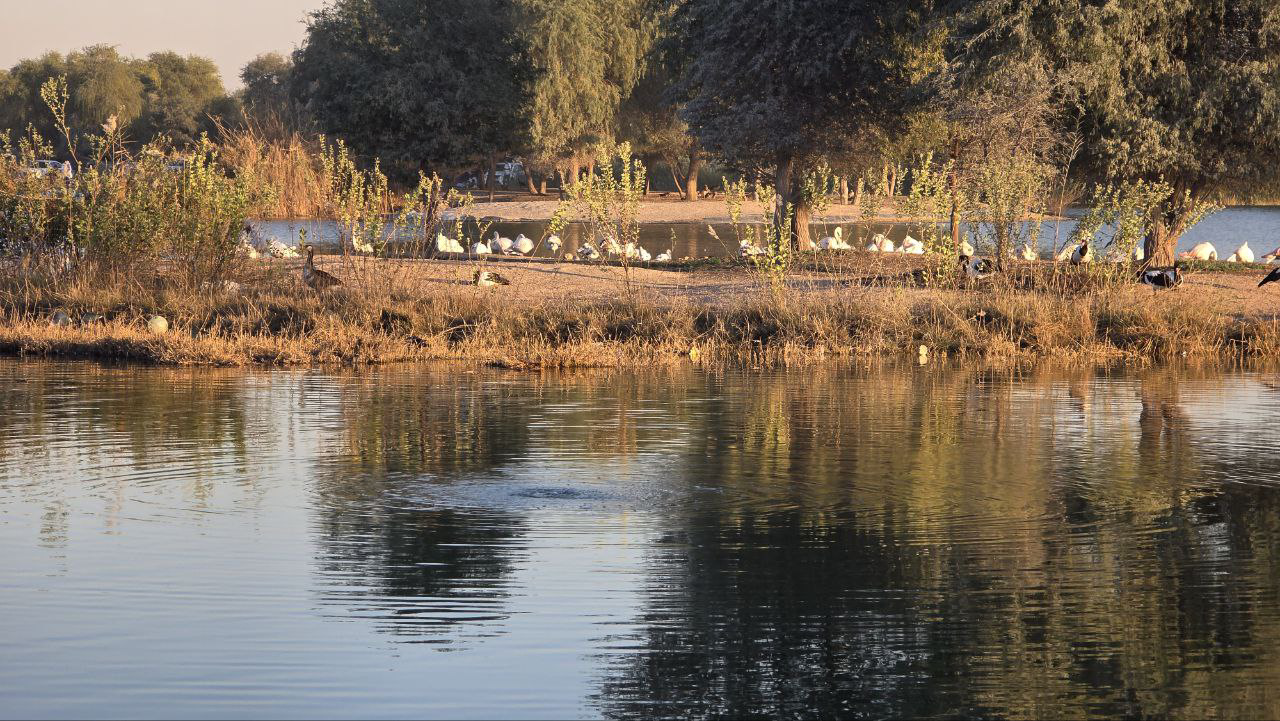
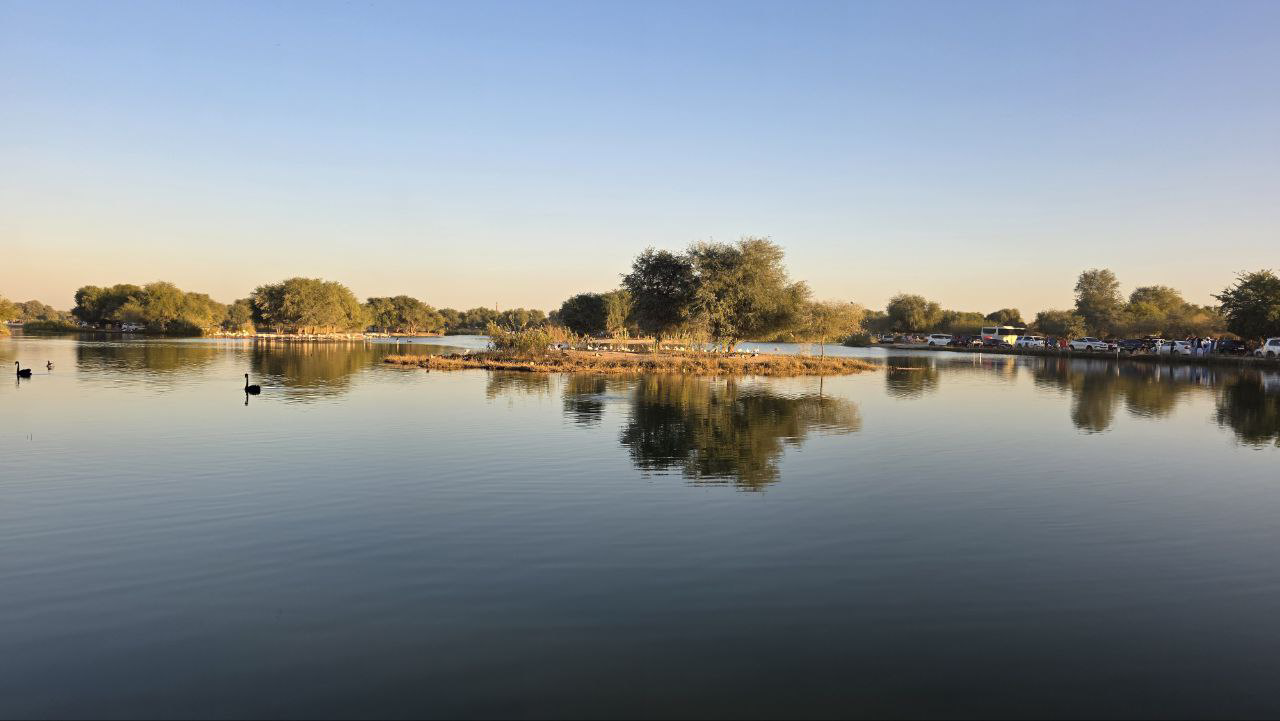
Did you know that amidst the soaring, modern skyscrapers of Dubai lies a serene and natural lagoon that thousands of pink flamingos call home? Flamingo Island Dubai, which is officially part of the Ras Al Khor Wildlife Sanctuary, is one of the city’s most pristine and beautiful natural attractions, located in close proximity to the famous “Love Lake.”
In this comprehensive guide, we will take a deep dive into this pink paradise, exploring everything you need for a professional and enjoyable visit from a fresh perspective.
Where is Flamingo Island Dubai? (Strategic Location & Proximity to Love Lake)
Flamingo Island is situated at the end of the Dubai Creek, at the junction of the city’s major highways. Officially known as Ras Al Khor (meaning “Cape of the Creek”), this protected wetland spans 6.2 square kilometers. The visual contrast between the soft pink of the flamingos, the deep green of the mangroves, and the modern gray of “Dubai Creek Harbour” with the needle-sharp “Burj Khalifa” in the distance creates one of the most stunning urban-natural landscapes in the world.
Many savvy travelers combine their visit to this lagoon with Love Lake in the Al Qudra region due to their shared romantic atmosphere and relative proximity. While Love Lake is a man-made space with an iconic design, Flamingo Island showcases the authenticity and rawness of nature. Watching the bird migrations against the backdrop of the setting sun here is a spiritual experience that no luxury entertainment in Dubai can match.
Why Visit This Area? (An Ecosystem Beyond Just a Name)
This area is more than just a simple pond for birdwatching; it is an internationally recognized Ramsar Site, holding global ecological significance:
A Safe Haven for Migratory Birds: Annually, over 20,000 birds from 67 different species migrate here from Siberia and Africa. In addition to the Greater Flamingos, you can spot Grey Herons, Great White Egrets, Sandpipers, and even Marsh Harriers.
Dubai’s Green Lungs (Mangrove Forests): The mangrove trees in this area serve as natural water filters and provide a sanctuary for crustaceans and small fish. The aerial roots of these trees poking out of the water give the lagoon a surreal, otherworldly appearance.
A Photographer’s and Artist’s Paradise: The color contrast between the blue water, green mangroves, pink flamingos, and the city’s steel skyline offers a unique opportunity for both Wildlife and Architecture photography.
The Observation Hides: A Secret Window to Wildlife
At Flamingo Island, you do not enter the water directly to ensure the ecosystem remains undisturbed. The Dubai Municipality has constructed three modern wooden cabins (Hides), equipped with air conditioning and professional binoculars, which visitors can use free of charge:
Flamingo Hide: This is the most strategic point, where the highest concentration of flamingos is found due to its proximity to the artificial feeding area. Here, you can observe the social behavior of flamingos, from synchronized group dances to the care of their grey-colored chicks, at very close range.
Mangrove Hide: This spot is excellent for those seeking species diversity. Amidst the branches of the mangrove trees, you can find Purple Herons and smaller bird species hunting among the roots.
Lagoon Hide: This hide offers a broad view of the lagoon’s open waters, where various species of ducks, cormorants, and wild geese swim. The tranquility of this hide is perfect for meditation and experiencing the silence of nature in the heart of Dubai.
Best Time to Visit: The Golden Travel Calendar
To make the most of your visit, pay close attention to the calendar and the clock:
Golden Seasons: From the beginning of October to the end of April. During these months, the lagoon is at its busiest in terms of bird population. In December and January, the flamingos are in their most beautiful plumage.
Magic Hours:
Morning (7:30 AM to 9:30 AM): When birds wake up with the sunrise and are at their most vocal and active.
Evening (3:30 PM to 5:00 PM): The soft light of the setting sun hitting the pink feathers of the flamingos is the best time for postcard-perfect photos.
Feeding Time: Rangers usually feed the birds around 10:00 AM. The sudden gathering of thousands of flamingos at a single point for food is one of the most magnificent sights you can witness.
The Best Season to Visit Flamingo Island Dubai: Witnessing Pink Wonders in the Heart of Modernity
Costs, Access, and Rules (What to Know Before You Go)
One of the most amazing things about the Ras Al Khor Wildlife Sanctuary is that entry is completely free. Dubai maintains this space for the public as part of its social and environmental responsibilities.
Strict Rules for Survival:
Absolute Silence: Any shouting or loud noise can cause sudden flight and stress for the birds.
Environmental Prohibitions: Smoking and littering even the smallest piece of trash carry heavy fines.
No Feeding: Their digestive systems are very sensitive; never attempt to give them bread or snacks.
Equipment: The use of camera flashes at close range is strictly prohibited.
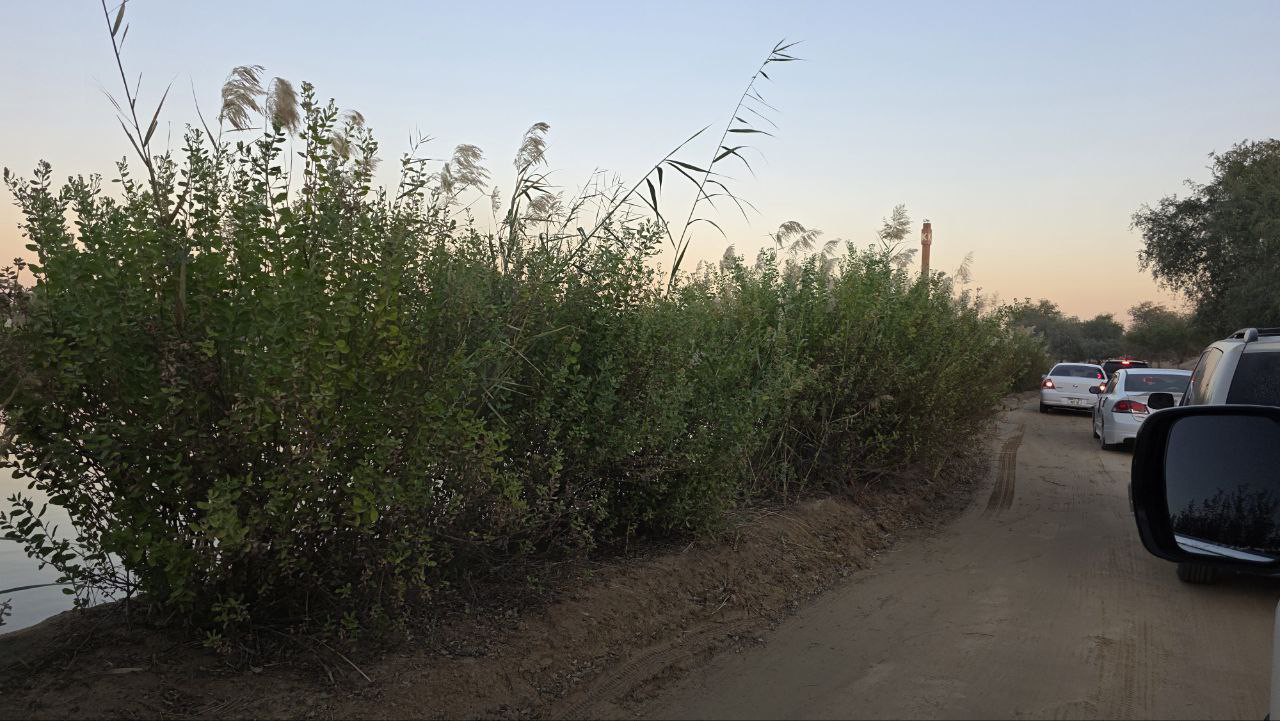
Access Route:
If you are coming from Love Lake, enter the Al Ain Road (E66) and then transition to the Ras Al Khor Road (E44). Large brown signs labeled “Ras Al Khor Wildlife Sanctuary” will guide you toward the hide entrances.
Important Note: Different hides have separate entrances from the highway. To go from one hide to another, you must re-enter the highway and take the next exit; therefore, a private car or a taxi is highly recommended.
Recommended Activities Alongside Birdwatching
To make it a full day, add these activities to your itinerary:
Picnic Near the Lagoon: While eating is not allowed inside the sanctuary, the parks around Dubai Creek are excellent spots for a family picnic after your visit.
Visit Dubai Creek Harbour: Located right next to the sanctuary, this modern area offers a great place for a walk along the water and a cup of coffee in luxury cafes with a view of the lagoon.
Professional Birdwatching: If you are interested in this field, grab a local Dubai bird guide and try to identify rarer species like the “Dalmatian Pelican.”
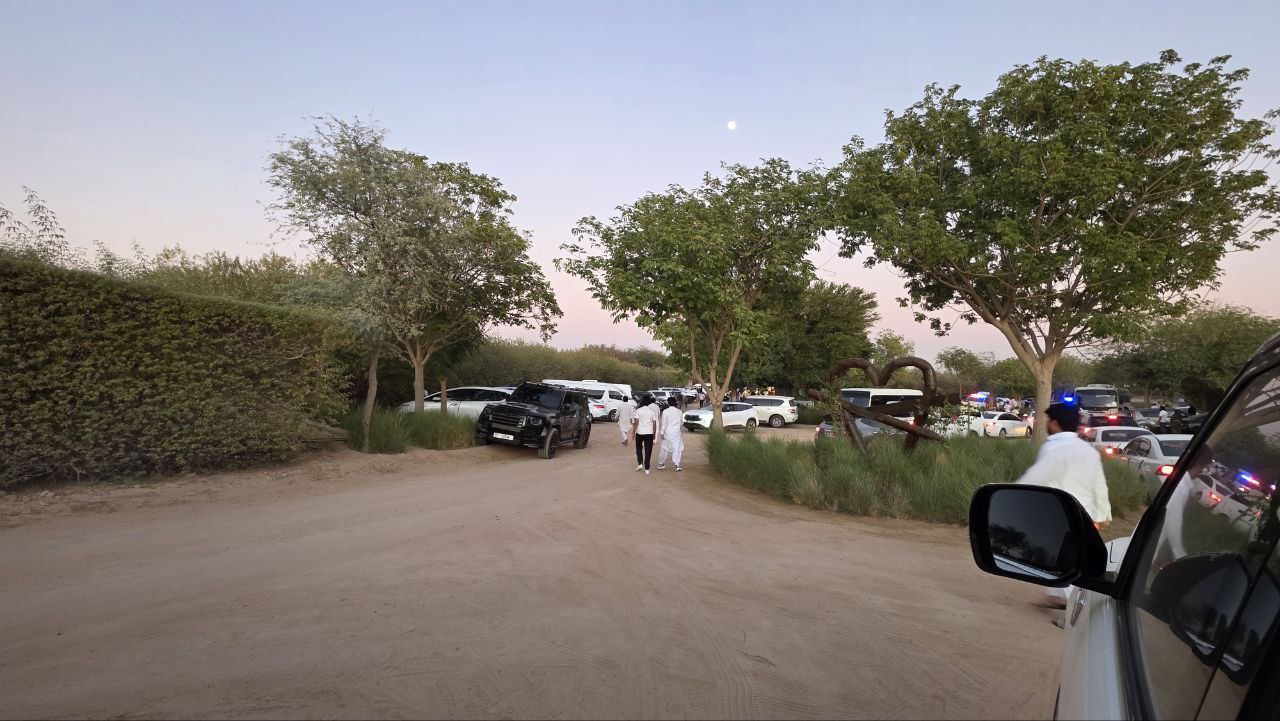
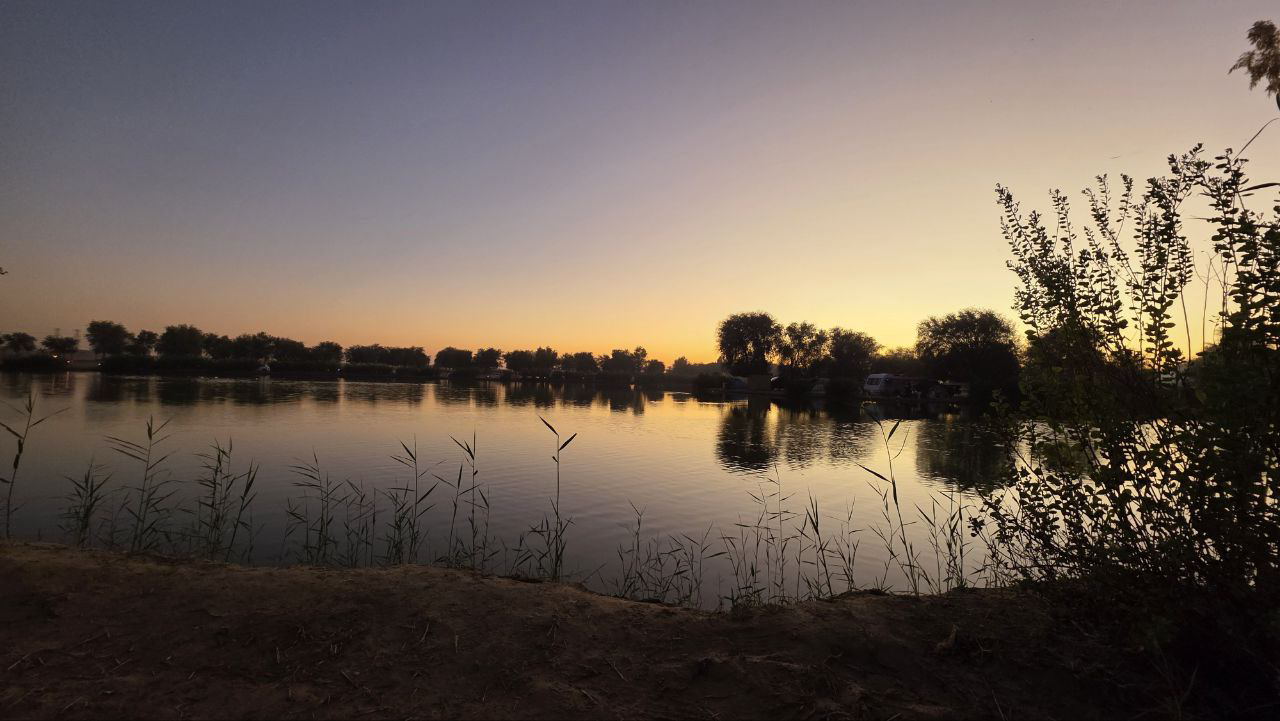
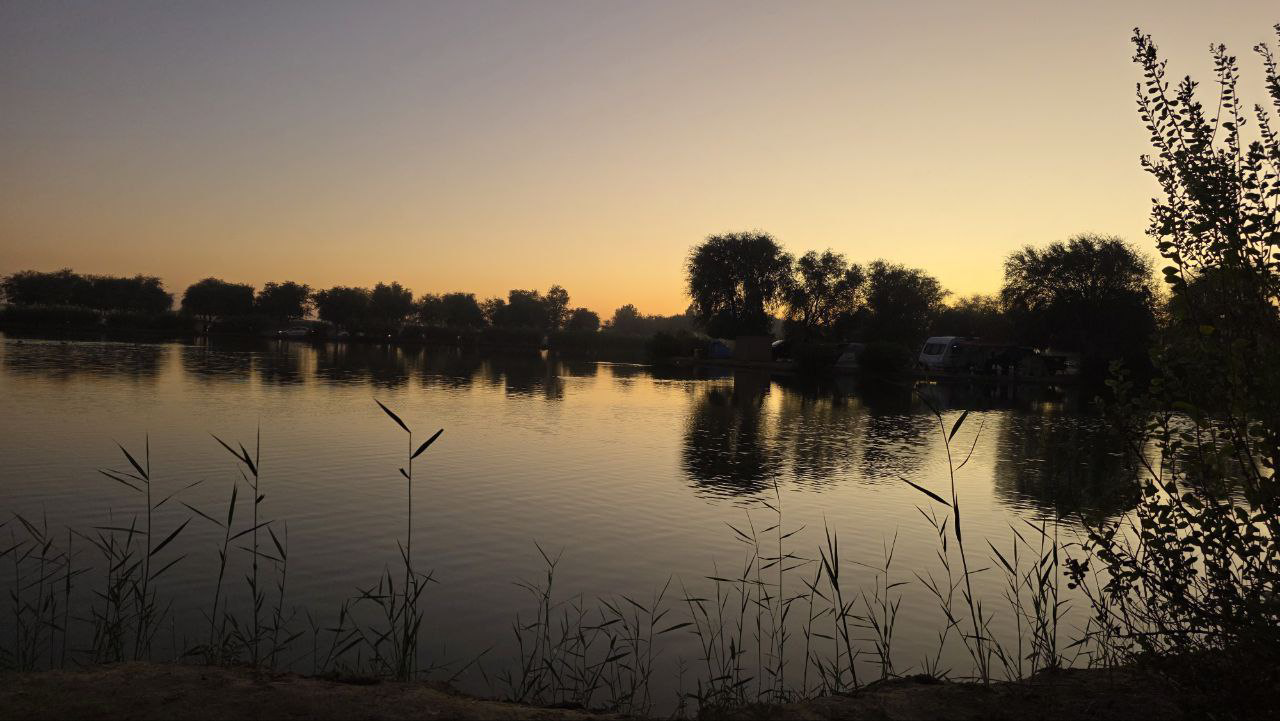
Real photos of Flamingo Island in 2026
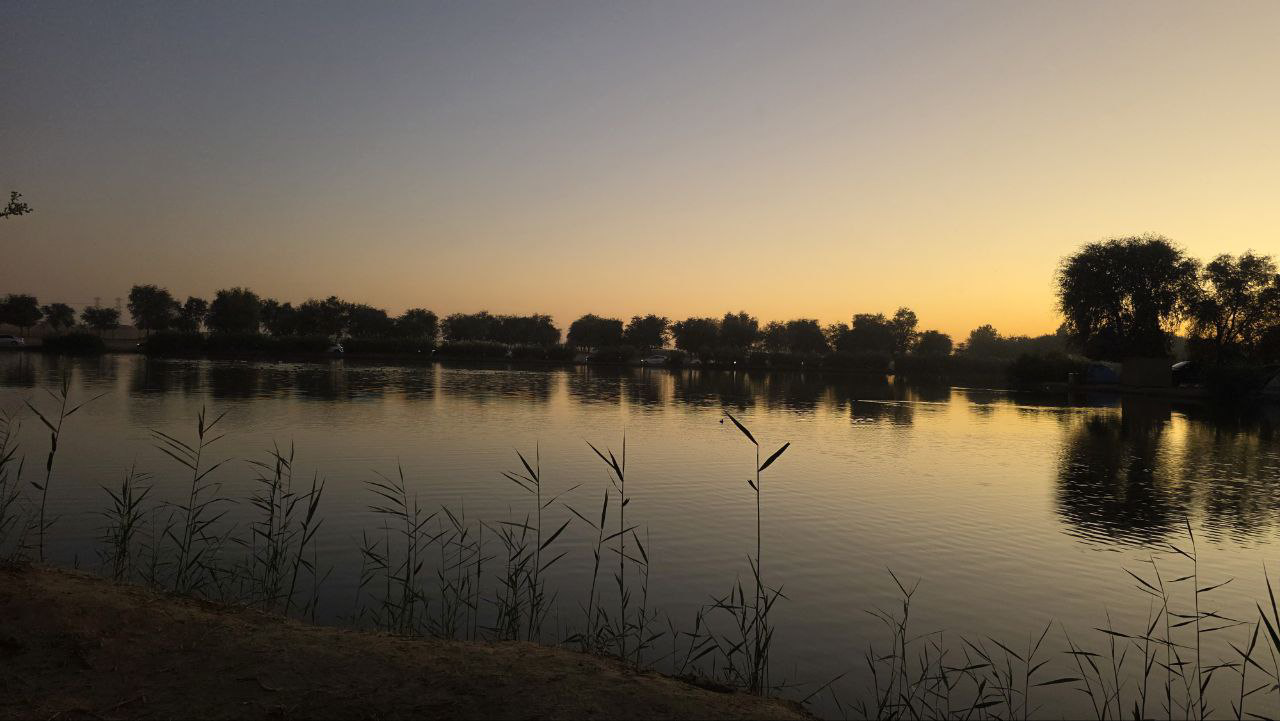
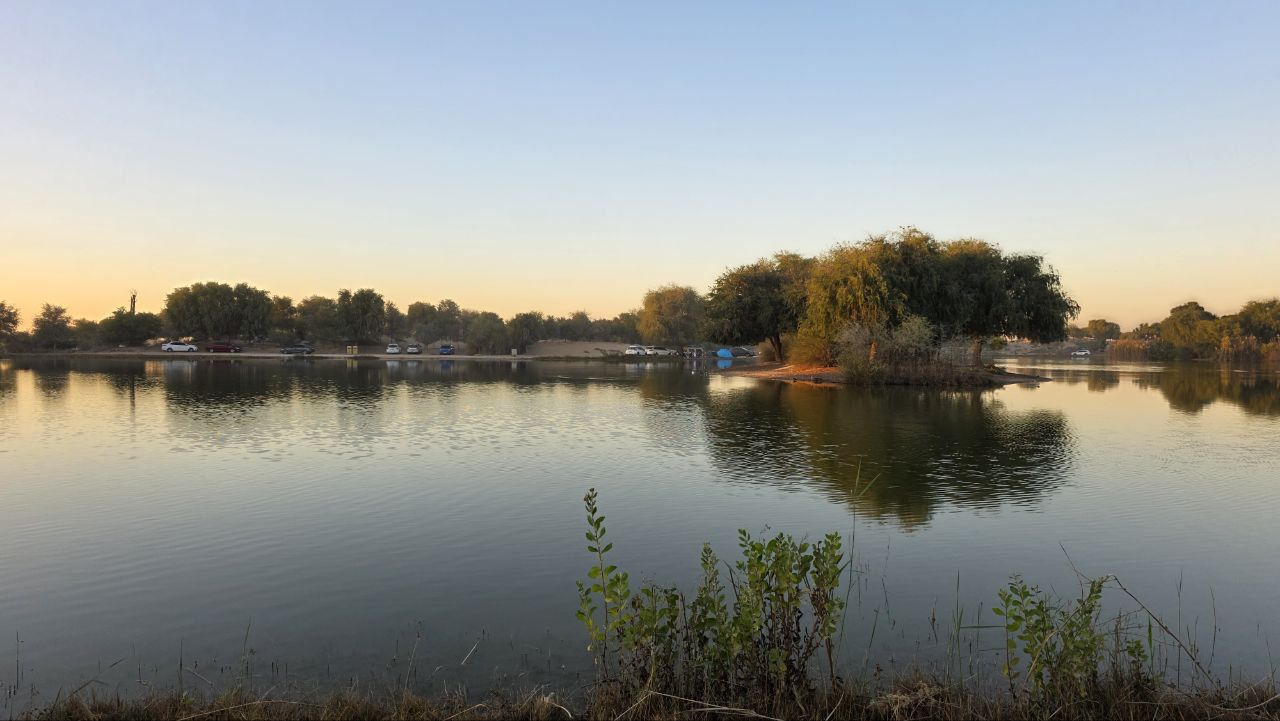
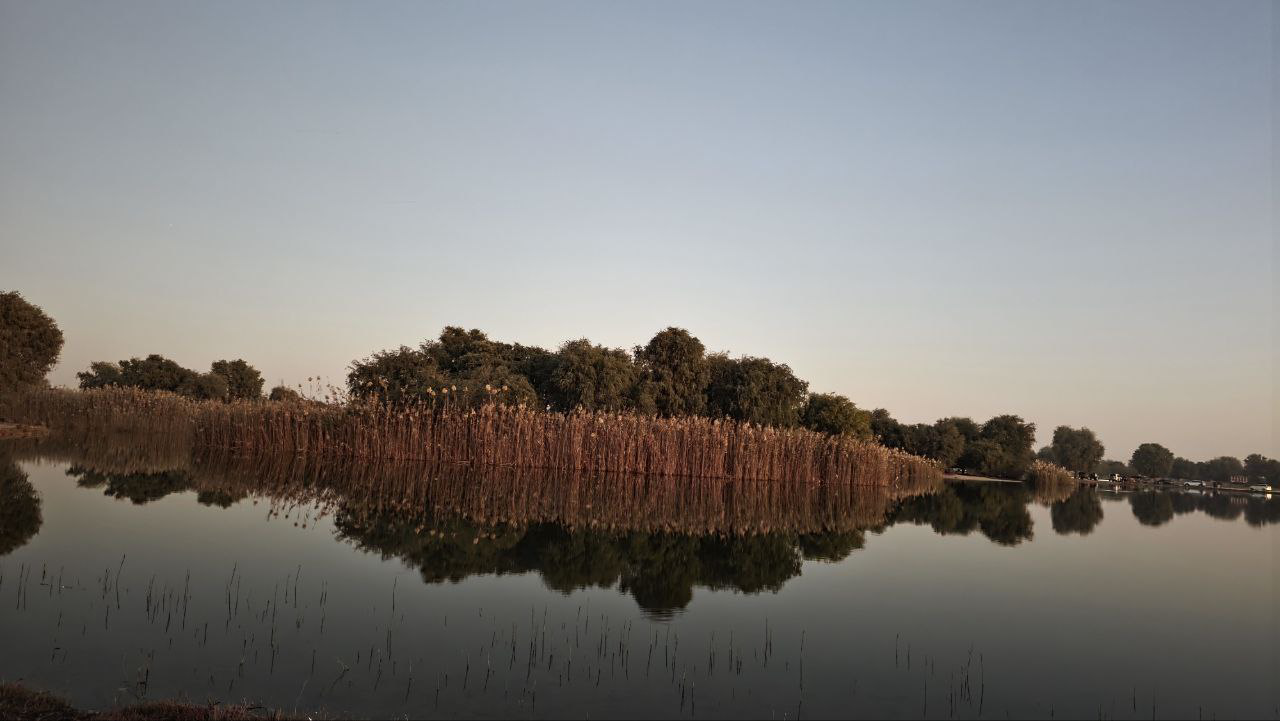
Why Is Walking Among Flamingos Strictly Prohibited?
The sight of large flocks of pink flamingos resting in shallow waters is a spectacle that tempts almost any tourist to wade into the lagoon for a closer look or a perfect photo. However, if you are wondering, “Can we walk among the flamingos?” the answer is a firm and definitive no.
This article explores why this ban is in place for your benefit, the environment, and the survival of these magnificent birds.
1. Priority One: Peace and Survival
Flamingos are extremely sensitive and cautious creatures. The presence of humans in their immediate territory is perceived as a “predator threat.”
Stress and Flight: Entering the lagoon triggers a sudden mass flight of the entire colony. These frequent “panic flights” waste vital energy that the birds should otherwise spend on feeding or breeding.
Breeding Disruption: During sensitive seasons, human-induced stress can cause flamingos to abandon their nests, leading to the loss of eggs or chicks.
2. Protecting a Fragile Ecosystem
The bed of a lagoon typically consists of sensitive silt and microorganisms that serve as the primary food source for flamingos.
Habitat Destruction: Walking through the lagoon tramples underwater vegetation and disrupts the delicate balance of sediment.
Pollution: Direct human contact can introduce bacteria or chemicals (such as sunscreen or laundry detergents) into the pristine lagoon environment.
3. Bird Hides: A Smart Alternative
To ensure visitors don’t miss out on the joy of birdwatching, national parks and protected reserves utilize specially designed Bird Hides. These structures allow you to:
Stay Invisible: Flamingos remain unaware of your presence, allowing them to perform natural behaviors like group courtship dances.
Free Amenities: These hides are equipped with powerful binoculars, bringing the flamingos within inches of your eyes.
Photography Windows: Specially designed shutters allow you to capture stunning wildlife photos without light reflection or disturbing the birds.
Rules and Safety Tips for Visitors
Important Note: Entering the water is prohibited under all circumstances and can result in heavy environmental fines.
Maintain Silence: Even inside the hides, avoid shouting or loud noises.
No Flash Photography: Camera flashes can cause the birds to panic.
Stay on the Path: Use only the designated wooden boardwalks or sand paths to reach the hides.
In this specific region (Ras Al Khor), there are three strategically placed hides: Mangrove Hide, Flamingo Hide, and Lagoon Hide. Here is what you need to know about their facilities:
Binoculars: Semi-professional binoculars are provided for free in all three hides. These are usually tethered to tables for public use.
Special Windows: Horizontal viewing slits are set at various heights (for both children and adults). This design allows you to observe them from a very close range—sometimes less than 10 meters during feeding—without being seen.
Spotting Scopes: In addition to binoculars, stationary telescopes are usually available to view the finer details of birds further out in the lagoon.
Practical Tips for Visiting Ras Al Khor:
Visiting Hours: Hides are generally open from 7:30 AM to 5:30 PM.
Cost: Entry to the sanctuary and use of all facilities (including binoculars) is free of charge.
Golden Time: For the closest possible view, visit during feeding times (typically around 10:00 AM and 4:00 PM).
Frequently Asked Questions (FAQ)
1. Is a visit to Flamingo Island suitable for children?
Yes, it is a unique educational experience for children to learn about environmental conservation. However, you must ensure your child can maintain silence for a period of time.
2. How do the flamingos here differ from those in other parts of the world?
The flamingos at Ras Al Khor are primarily “Greater Flamingos,” the largest species in the flamingo family. Their color is a soft, vibrant pink due to their diet of specific shrimp found in the lagoon.
3. Is boating allowed in the lagoon?
No. To prevent habitat destruction and avoid scaring the birds, any type of vessel is prohibited in the protected area. Viewing is only permitted from within the designated hides.
Final Conclusion
Flamingo Island Dubai is more than just a tourist attraction; it is a symbol of the peaceful coexistence of technology and nature. This short trip will rejuvenate your soul and remind you that even in the world’s most modern city, nature still holds the upper hand. If you are looking for an experience different from malls and theme parks, do not miss the sunset in the company of flamingos and the neighboring Love Lake.