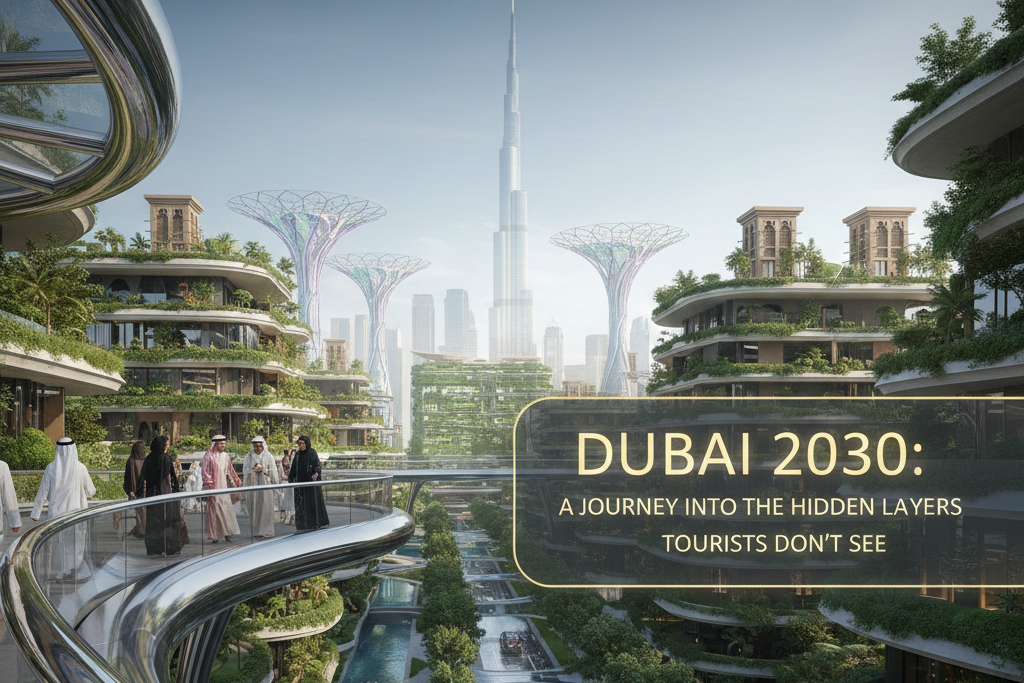
Dubai 2030: A Journey into the Hidden Layers Tourists Don’t See
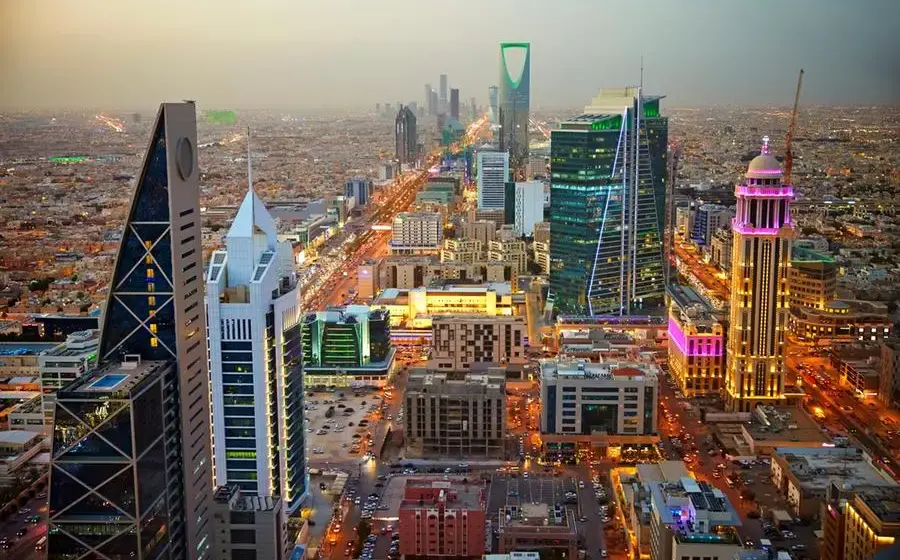
Dubai; a name that immediately brings to mind images of silver skyscrapers, luxury supercars, and opulent shopping malls. But is Dubai just this “glittering storefront”? When you peel back the thin tourist veneer and penetrate the heart of this metropolis, you encounter a reality that goes far beyond a simple vacation destination. Dubai 2030 is a prelude to a version of the future where technology, absolute security, and structured prosperity are inextricably intertwined.
In this article, we explore the layers that don’t fit into the lens of a tourist’s camera; from invisible security strategies to the governance paradoxes that have turned this city into a “laboratory for the future of humanity.”
The City That Redefined Time and Geography
Dubai is not just a city; it is an idea. This is a place where the classic concept of “time” has been redefined. In most of the world’s capitals, the city goes to sleep with the sunset or its rhythm changes, but Dubai is a city that never sleeps. This wakefulness is not merely about clubs or restaurants being open, but rather the constant flow of capital, ideas, and energy.
Endless Vigilance and the 24-Hour Pulse
The lights of progress in this city never go out. When you first travel to Dubai, you might be captivated by the flawless cleanliness of the streets and the bold architecture of the buildings, but this is only the “tip of the iceberg.” Beneath the surface lies a smart urban management system that optimizes the flow of life 24/7.
Here, time is not just a number, but a value that should not be wasted in traffic or administrative queues. For instance, Dubai’s public transport system and driverless metro are not just tools for movement, but part of a neural network that prevents time-wasting by analyzing real-time data. In Dubai 2030, it is predicted that more than 25% of all trips will be fully automated, returning thousands of productive hours to each citizen’s life every year.
The First Hidden Layer: Security That is Felt but Not Seen
What distinguishes Dubai from London, Paris, or New York is its level of security. In Dubai, security is not a “service,” but a “fundamental right” and a “psychological infrastructure” that flows invisibly through the atmosphere. Tourists may be thrilled to see luxury police cars (like Lamborghinis and Bugattis), but the real layer of security is much deeper than these promotional displays.
Peace in the Heart of Darkness: Security as Freedom
Whether you are a woman or a man, a local or an expat; in this city, you possess the right to “peace at any hour of the day or night.” This security manifests in two levels:
Non-stop Commerce and a Secure Economy: Shops, supermarkets, and service centers operate 24/7 with complete confidence. You can go for a walk in a park at 3 AM or withdraw cash from an exchange without feeling the heavy shadow of crime behind you. This security stability has significantly reduced operational costs for businesses (such as exorbitant insurance or private protection systems).
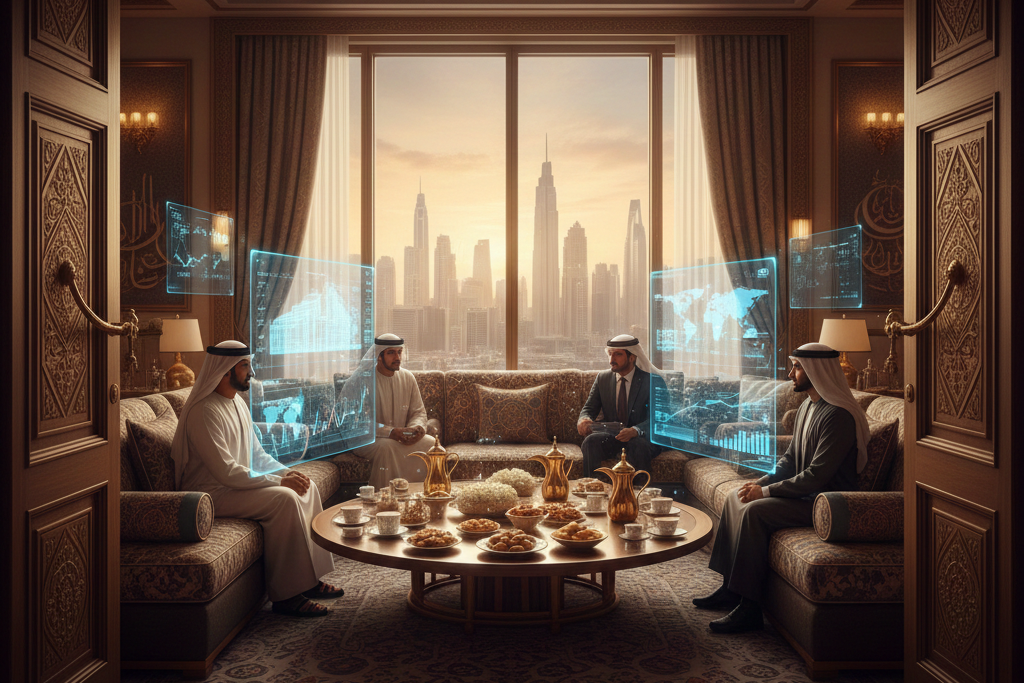
Smart Policing and Algorithmic Surveillance: Unlike many metropolises, the physical presence of police is not seen in every alleyway. Dubai utilizes a breathtaking network called “Oyoon” (Eyes), which includes thousands of cameras equipped with artificial intelligence capable of facial recognition and behavioral analysis. This system is designed not for spying on private lives, but for identifying suspicious patterns before a crime occurs. In Dubai 2030, the concept of “preventative policing” reaches its peak; where technology serves to protect civil rights, not restrict them.
The Second Hidden Layer: The Sweet Paradox of Governance and Freedom
Many Western analysts judge Dubai by classic political parameters and parliamentary democracies, and thus fail to understand its success. The reality of living in Dubai is a different experience from prevailing political theories.
The “Corporate-National” Governance Model: Speed, Precision, Results
The rulers of Dubai have charted a path where decisive management is integrated with ultra-fast social welfare. Sheikh Mohammed bin Rashid Al Maktoum has repeatedly stated that the government must operate like an efficient service company. In this model, citizens and residents are not just “subjects,” but “customers” of the government who expect the highest quality of service.
While the political structure may appear traditional on the surface, the output for citizens feels like a sophisticated democracy at the peak of prosperity. You are completely free in your personal choices, lifestyle, religion, and professional path. Instead of interfering in the details of people’s lives, the government in Dubai focuses on creating the “Infrastructure.” This “forward-thinking leadership” focuses on the “Happiness Index” rather than getting bogged down in partisan conflicts and worn-out bureaucracies; an index that is officially monitored by a ministry in this country.
Dubai; The “New America” in the Heart of the Middle East?
Not long ago, the United States was recognized as the sole destination for achieving big dreams and the “land of opportunity.” But today, Dubai 2030 has become a serious rival to this concept. Many of the new generation’s elites see Dubai as the “new Silicon Valley” or a “safer New York.”
Why are Brains Migrating from West to East?
While many developed countries struggle with heavy taxes, rising crime rates, and crumbling infrastructure, Dubai offers an enticing proposition that combines efficiency with pleasure:
A Real Tax Haven: Zero tax on personal income and salaries is an attraction that no entrepreneur or top-tier specialist can easily ignore. This significantly increases purchasing power and accelerates capital accumulation for individuals.
The “Speed of Execution” Ecosystem: In Dubai, the distance between an idea on paper and its implementation in reality is the shortest in the world. Digitalized bureaucracy and Smart Government allow you to register a company in minutes via an app.
Lifestyle and Diversity: Dubai is no longer just a city to visit; it is a destination to live. Access to top international schools, an ultra-modern healthcare system, and endless recreational facilities has made Dubai a place where one can both work hard and truly live.
The 2030 Roadmap: Where is Dubai Heading?
On the way to achieving the 2030 vision, Dubai is shedding its skin from a city reliant on real estate to a knowledge-based superpower. This transformation includes three main pillars:
Digital Economy and Metaverse: Dubai aims to become one of the top 10 metaverse economies in the world. The goal is to create thousands of new jobs in the field of virtual reality and blockchain, with government services even being provided in this medium.
The Golden Visa and Attracting Geniuses: By changing ownership laws and issuing long-term visas (Golden Visa), Dubai is “hunting for brains.” The city wants to be the permanent home for scientists, artists, and investors who are building the future of the world.
Sustainability and New Energies: Contrary to popular belief, Dubai 2030 is moving toward “going green.” The Mohammed bin Rashid Al Maktoum Solar Park and massive water desalination projects with clean energy demonstrate the city’s efforts to survive in the post-oil era.
The Manifestation of Global Peace in a Metropolis
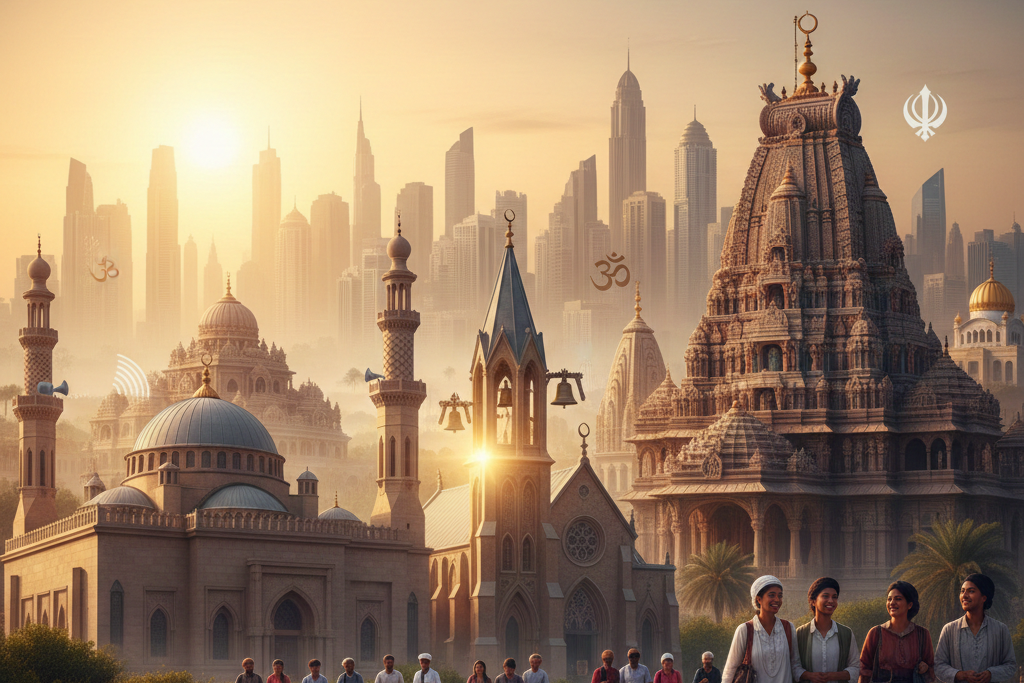
The peaceful coexistence of more than 200 nationalities with different cultures, races, and religions in a limited geographical space has turned Dubai into a successful “social laboratory.” In a world embroiled in identity tensions, Dubai has proven that prosperity and security can gather different nationalities under a single umbrella.
Closing Remarks: Is This a Utopia?
If you are looking for a place where the clamor of progress blends with the silence of security, Dubai is that spot. A city where nothing stands in the way of its movement toward the peak. Dubai 2030 will show how Eastern authenticity and family values can be linked with absolute modernity and cutting-edge technology.
Of course, any massive project comes with challenges; from climate change to global economic fluctuations. But Dubai’s history has shown that this city sees “crisis” as an “opportunity for a leap.”
Frequently Asked Questions (FAQ)
1. Is Dubai truly safe for long-term living or is this just a media image?
Dubai’s security is based on a combination of strict laws, advanced AI technology (24/7 video surveillance), and economic prosperity. The crime rate in Dubai is one of the lowest in the world, and according to international statistics, the city consistently ranks among the top safest cities in the world for nighttime walking (unaccompanied).
2. Given the extreme heat, how will life in Dubai 2030 be more comfortable?
Dubai is developing massive projects such as “air-conditioned indoor roads” for walking and cycling (like THE LOOP project) as well as increasing urban green space. Furthermore, internal infrastructure (malls, buildings, and transport) is designed so that individuals practically do not need to be in open spaces for long periods.
3. Can Dubai 2030 continue to grow without oil?
Yes. Currently, oil’s share in Dubai’s GDP has dropped to less than 1%. Dubai’s economy is based on international trade, tourism, real estate, financial services, and now the “knowledge-based economy.” Heavy investment in technology and attracting global companies has replaced oil revenues.
4. What are the requirements for obtaining a Dubai “Golden Visa”?
The Golden Visa is granted to geniuses, doctors, engineers, artists, real estate investors (with a specified value), and entrepreneurs. This visa is for 5 or 10 years and is renewable, allowing the holder to have 100% ownership of their business and live in the UAE without needing an “Emirati Sponsor.”
5. Is Dubai a suitable environment for families and raising children?
Dubai hosts top international schools with British, American, and European standards. In addition to cultural diversity that allows children to grow with a global mindset, the absolute security of the urban environment makes Dubai one of the most popular destinations for middle-class and wealthy expat families.
The main question is:
Have you also had the experience of living in or traveling to Dubai? Do you think the exemplary security of this city stems from a high culture of citizenship or the undeniable power of surveillance technologies? Can Dubai, in the next decade, be the definitive replacement for the “American Dream” for the next generation of entrepreneurs and geniuses?
Share your thoughts and experiences with us to complete this picture together.