Damavand Climbing Logistics: The Ultimate Access Guide from Tehran
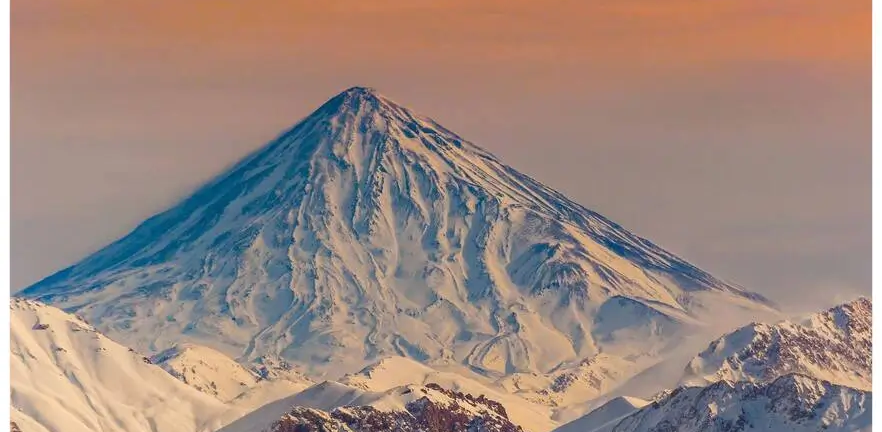
Conquering Mount Damavand, the highest peak in Iran and the Middle East, and the twelfth most prominent peak in the world, is the dream of every mountaineer. However, success in this majestic ascent is not solely dependent on physical strength; it begins with planning for reliable and optimal access to the main base camps. To get from the capital (Tehran) to the heart of this mountain, you must complete two key stages: 1. Travel from Tehran to the Damavand Gateways (Polour/Rineh) and 2. Transfer from the road base to the Climbing Zone (Gousfandsara and Bargah).
This guide details all transportation methods, main routes, and logistical tips for a successful climb.
Section One: Tehran to the Main Bases (Damavand City or Polour)
The route from Tehran to the Damavand foothills is about 70 to 80 kilometers and takes approximately 1 to 1.5 hours in normal traffic conditions. Climbers usually opt for the secondary route leading to Polour or Rineh on the Haraz Road to access the busy and well-equipped South Face, instead of entering Damavand city directly. This route provides the most direct access to the mountain.
1. Private Car: The Fastest and Most Flexible Way
Using a private vehicle offers the most flexibility for time management, especially if you are carrying a lot of gear.
Common Route (Haraz Road): Shahid Zeinoddin / Shahid Soleimani Expressway → Tehran-Pardis Freeway → Southern Bypass of Bumehen → Entry into Haraz Road (Route 77) → Reaching the villages of Polour or Rineh.
Traffic Note: On weekends and during peak seasons, especially on the return route, Haraz Road faces heavy traffic. Planning your movement for the early morning hours or mid-week is highly recommended.
Advantage: It takes you directly to the key villages like Rineh or Polour, which serve as the base stations for the South Face ascent.
2. Public Transport: Bus, Minibus, and Shared Taxis
If you are traveling without a private car, Tehran’s East Terminals are the best starting option.
Departure Point: The best place to find shared taxis or buses heading to Amol/Babol/Mahmoudabad is the East Terminal (Tehranpars).
Public Transport Destination: From the East Terminal, you can buy bus tickets to cities like Amol or Babol and ask the driver to drop you off in Polour or Rineh (depending on your climbing route). Fares on this route are usually very cost-effective.
Shared Taxis (Savari): Intercity taxis from the East Terminal are direct and faster, taking you straight to Polour or Rineh. Although more expensive than buses, they save time and are a popular choice for mountaineers.
Mountaineering Note: Polour and Rineh host the Federation Mountaineering Stations, which are essential locations for registration, obtaining permits, and the initial organization of your climb.
Section Two: The Ascent Highway; From Polour/Rineh to Gousfandsara (Start of the Trek)
Damavand city, Roodehen, or Ab-Ali are not necessarily your starting point; the climb officially begins from the Mountain Bases.
1. South Face Base: The Busiest and Best-Equipped Route
This route is the most common and safest face for the ascent.
Road Base: Polour Mountaineering Station (approx. 2200m) or Rineh.
First Destination (Logistical Base): Gousfandsara (Masjed Saheb-ul Zaman, approx. 3000m).
Transfer Method: The dirt, steep road between Polour/Rineh and Gousfandsara is unsuitable for regular cars or even city SUVs, and driving on it is dangerous. You are required to hire Nissan pickup trucks (or off-road Patrols) from local drivers or through the Mountaineering Stations. This transportation system is organized locally and operates on a fixed tariff.
Best Time to Visit Damavand: Complete Weather and Seasons Guide
Importance of Gousfandsara: Gousfandsara is the point for load exchange, the official start of the walking trek, and the location where many climbers hand over their heavy bags to be carried by mules to Bargah Sevom.
2. North and Northeast Bases: More Technical and Quieter Routes
These routes require higher physical and technical preparation due to greater challenges and limited shelters.
North Route: This is considered the most difficult route on Damavand. The ascent starts from Nandel village on Haraz Road. The climb from this route is longer and involves two small refuges (4000m and 5000m shelters) that lack the facilities of Bargah Sevom.
Northeast Route: The ascent begins from Gazanak or Hajjiabad village on Haraz Road. The main destination for this route is the Takht-e Fereydoun Shelter (at 4300m). This route offers beautiful vistas along the long northeast ridge but is more energy-consuming due to its length.
Key Tip: Regardless of your starting point, the last accessible point by off-road vehicles is usually between 2900 to 3300 meters. From this point on, the real mountaineering begins, and your physical and mental readiness is the deciding factor.
Section Three: Rest and Acclimatization Shelters (Gousfandsara to Bargah Sevom)
After reaching Gousfandsara (approx. 3000m), the next step is acclimatization and reaching the main shelter for overnight stay and final preparation.
1. Gousfandsara (Masjed Saheb-ul Zaman – Bargah Aval)
Altitude: Approximately 3000 meters
Role and Features: This point marks the official start of your climbing trek. The mosque and the old building of Gousfandsara serve as the initial refuge.
Logistics: The trek from here to Bargah Sevom takes about 3 to 4 hours and involves a moderate to steep slope. The critical point is the availability of mule rental here for carrying heavy loads to Bargah Sevom, which significantly conserves your energy for summit day.
2. Bargah Sevom (Main Shelter – Bargah Domes)
Altitude: Approximately 4250 meters
Role and Features: This large, modern shelter is your main point for rest, acclimatization, and overnight stay before the final Summit Push.
Facilities: Bargah Sevom on the South Face is the best-equipped shelter on all routes. It provides facilities such as public dormitories (with an entry fee), a small buffet for purchasing water and snacks, limited electricity, and access to piped water (in warm seasons). Spending at least one full night at this altitude is essential for proper acclimatization.
Golden Tips for Safe and Optimal Access
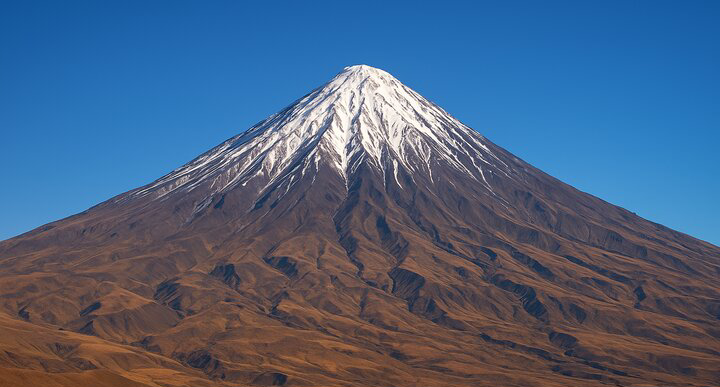
Timing the Trip and Ascent: The best time for the ascent, and thus the best time for travel, is from mid-July to mid-September, when the roads and trails are clear of snow and the weather is stable. Avoid winter or early spring ascents without technical gear and an expert guide.
Climbing Permit and Registration: Before traveling, you must obtain a Climbing Permit from the Iran Mountaineering Federation. This permit is checked by officials at the Polour or Rineh stations, and you will not be allowed to ascend without it. Registration at these stations is vital for follow-up in emergencies.
Mule Rental (Load Carrying): You can hire mules to carry heavy loads (such as sleeping bags, tents, food, and fuel) from Gousfandsara to Bargah Sevom. This significantly helps preserve the climber’s energy.
Acclimatization and Health: Rushing the initial movement can lead to serious Acute Mountain Sickness (AMS). Allocate adequate time (at least one full day) for resting and acclimatizing at the 4250-meter altitude of Bargah Sevom.
Section Four: Frequently Asked Questions (FAQ) for Foreign Climbers
1. Do I need a special permit to climb Damavand?
Yes. In addition to the standard visa for entering Iran, obtaining a Mountaineering Permit from the Iran Mountaineering Federation is mandatory for climbing Mount Damavand. It is recommended to handle this process through local travel or mountaineering agencies familiar with the permit requirements and obtaining sports visas.
2. Is hiring a local guide mandatory for the ascent?
Although not legally mandatory on all faces, it is strongly recommended. Local guides are key to your success and safety, especially on more technical faces, due to their complete familiarity with volatile weather conditions, optimal routes, emergency service communication, and the local language. Furthermore, the presence of a local guide facilitates your permit acquisition process.
3. What is the best transportation method from Tehran to Polour for foreign tourists?
The most comfortable and fastest way is to hire private taxis or use tourism agency transport services, which will take you directly from your accommodation in Tehran to the Polour or Rineh stations. Using public buses is more time-consuming and requires a reasonable command of the Persian language and familiarity with domestic terminals.
4. What currency is accepted for payments in the foothills?
Due to international restrictions, foreign credit cards are not accepted in Iran, especially in the mountain areas. Payments for services such as hiring Nissan trucks for Gousfandsara, shelter fees, and purchases from small shops are only possible in cash, using the Iranian Rial. Be sure to carry sufficient cash before leaving Tehran.
5. Are emergency and medical services available in the climbing zone (Bargah Sevom)?
Yes, during peak seasons (July to September), the Polour station and the Bargah Sevom shelter have basic Red Crescent services, aid stations, and professional climbers. These services include limited oxygen therapy and stabilization of injured climbers. However, you must be fully prepared for personal first aid.
6. What is the difficulty level of the South Face route for an experienced climber?
The South Face route of Damavand is technically considered a trekking route and does not require technical climbing (with ropes and gear). However, due to its high altitude and steep final slope, it is an arduous and challenging ascent in terms of endurance and acclimatization. Climbers must have high physical fitness and previous experience climbing at high altitudes (above 4000 meters).
7. Are there eco-lodges or hotels available for accommodation in Polour and Rineh?
Yes. In the villages of Polour and Rineh, in addition to accommodation at the Mountaineering Stations (which are generally dormitory-style), there are several eco-lodges and local houses available for climbers and tourists. Prior reservation is essential, especially during the peak season.