Strait of Hormuz: A Critical Global Energy Passage
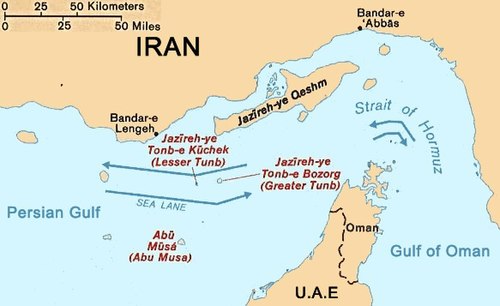
The Strait of Hormuz is a strategic waterway connecting the Persian Gulf to the Gulf of Oman and the Arabian Sea. Located between Iran and Oman, the strait stretches approximately 80 kilometers in length and narrows to just 32 kilometers at its slimmest point. Due to its geographic position and importance in global oil transportation, the Strait of Hormuz is considered one of the world’s most sensitive regions both economically and politically.
Strategic Importance of the Strait of Hormuz
The Strait of Hormuz handles over 20% of the world’s oil and nearly one-third of global liquefied natural gas (LNG). It serves as the main export route for oil from Gulf countries such as Iran, Saudi Arabia, Kuwait, and the UAE. Any disruption in maritime traffic through the strait can impact global energy markets and lead to higher oil prices.
Political and Security Situation
Due to its economic significance, the Strait of Hormuz has always been a focus of political and military attention. Iran has historically played a key role in controlling this waterway, leading to tensions with Western countries, especially the United States. Oil tankers and other vessels passing through the strait are closely monitored internationally, and any security threat could have global repercussions.
The Strategic Size of the Strait of Hormuz
The Strait of Hormuz, one of the most important maritime passages in the world, lies between the Persian Gulf and the Gulf of Oman. At its narrowest point, the strait is approximately 30 to 35 kilometers wide, with a total length of about 59 kilometers. Its depth varies in different areas, reaching up to around 55 meters, allowing large oil tankers and commercial ships to pass through. The significance of the Strait of Hormuz is not only due to its geographic location but also because a substantial percentage of the world’s oil passes through it annually. Therefore, its size and width play a key role in global trade and energy security.
Shipping and Maritime Routes
The Strait of Hormuz is one of the busiest maritime routes in the world. It is frequently used by oil tankers, commercial ships, and some military vessels. Navigating the strait requires strict adherence to maritime laws and coordination with local authorities due to its narrow width and varying depth.
Global Economic Impact
Any disruption in the Strait of Hormuz can cause increases in global oil and gas prices. Oil-importing countries, including China, India, Japan, and European nations, heavily rely on safe passage through the strait. Therefore, the security of the Strait of Hormuz is a critical issue in global energy and economic policies.
Tourism and Natural Attractions
While the strait is primarily known for its economic and political significance, it also features natural beauty. Colorful cliffs, pristine beaches, and scenic maritime landscapes offer unique tourism opportunities for nature enthusiasts.
Persian Gulf Explained: History, Islands, and Global Importance
Frequently Asked Questions
1. Where is the Strait of Hormuz?
The Strait of Hormuz is located between Iran and Oman, connecting the Persian Gulf to the Gulf of Oman and the Arabian Sea.
2. Why is the Strait of Hormuz important?
It is a passage for over 20% of the world’s oil and a significant portion of global LNG, directly affecting the global economy.
3. What are the length and width of the Strait of Hormuz?
The strait is approximately 80 kilometers long and narrows to 32 kilometers at its tightest point.
4. Is the Strait of Hormuz under Iran’s control?
Iran plays a key role in monitoring and securing the strait, although it is also subject to international oversight.
5. How does the Strait of Hormuz affect oil prices?
Any disruption or tension in the strait can lead to higher global oil prices, as a significant portion of the world’s oil passes through this route.