Ultimate Guide to Raftari Chalow Kabab: Menu, Prices, and Branch Locations
Ultimate Guide to Raftari Chalow Kabab: Menu, Prices, and Branch Locations
If you are looking for an authentic Persian restaurant in Tehran where traditional Iranian flavors meet a long-standing culinary history, Raftari Chalow Kabab is a name worth knowing. Also known as Chelokabab Raftari or Raftari Restaurant, this well-known Iranian restaurant has been serving traditional Persian dishes for generations and has become particularly famous for its kebabs, Persian rice, and classic Iranian cuisine.
From the historic Vahdat Eslami branch to the modern location at Bam Land, Raftari offers a different experience depending on the branch you choose. Some locations are particularly attractive for visitors interested in Tehran’s old neighborhoods and traditional atmosphere, while others are better suited to families, shopping trips, and enjoying a meal near Lake Chitgar.
In this complete guide, we will explore everything you need to know about Raftari Chalow Kabab, including its history, menu, popular dishes, price range, branches, atmosphere, location, and what you should consider before visiting.
What Is Raftari Chalow Kabab?
Raftari Chalow Kabab is one of Tehran’s well-known traditional Persian restaurants, with a history closely connected to the city’s long-standing chelo kebab culture. The restaurant is particularly associated with classic Iranian dishes such as koobideh kebab, joojeh kebab, barg kebab, soltani kebab, Persian rice, stews, tahchin, and other traditional foods.
The restaurant’s identity is strongly connected to Persian cuisine rather than international fast food or contemporary dining. This makes it an interesting choice for both Iranian customers and travelers who want to experience traditional Iranian food in Tehran.
One of the most historically significant locations is the Vahdat Eslami branch, formerly associated with the Shapur area. According to customer reviews published on LastSecond, this branch is considered the old and original location of Raftari, with its history connected to the old Qavam-ol-Dowleh Bazaar area before moving to its current location in Vahdat Eslami Street.

A Brief History of Raftari Restaurant
One of the most interesting things about Raftari is its long history.
Raftari is not simply a modern restaurant brand that opened recently. Its roots go back to the traditional restaurant culture of Tehran, and historical references describe the business as a family-run establishment with a history dating back more than a century.
A publication discussing the history of the Raftari family states that the restaurant’s history goes back to 1289 in the Persian calendar, making it one of the long-established names in Tehran’s food industry.
This long history is an important part of the restaurant’s identity. For many customers, eating at Raftari is not only about ordering a plate of kebab; it is also about experiencing a part of Tehran’s traditional food culture.
The old Vahdat Eslami branch is particularly interesting for this reason. Reviews describe it as the oldest branch and mention that its menu historically included not only different types of kebab but also dishes such as zereshk polo ba morgh, gheimeh, and ghormeh sabzi.
Raftari Menu: What Can You Order?
The Raftari menu focuses heavily on Persian cuisine, with kebabs playing a central role.
Depending on the branch and the current menu, customers can generally expect a selection of traditional Iranian dishes, including:
- Koobideh Kebab
- Joojeh Kebab
- Barg Kebab
- Soltani Kebab
- Chenjeh Kebab
- Mixed kebab dishes
- Persian rice dishes
- Tahchin
- Traditional stews
- Chicken dishes
- Meat dishes
- Appetizers
- Salads
- Yogurt
- Persian desserts
- Soft drinks and other beverages
The restaurant’s menu has historically included a variety of Iranian foods beyond kebabs. Some descriptions of Raftari mention dishes such as fish, different Persian stews, shishlik, tahchin, and traditional side dishes.
Therefore, even if someone in your group is not particularly interested in kebab, there may be other Persian food options to consider.
Most Popular Raftari Kebab Dishes
1. Koobideh Kebab
Koobideh is arguably the classic Iranian kebab and one of the first dishes visitors should consider when trying a traditional Persian restaurant.
Persian koobideh is typically made from seasoned minced meat and grilled over charcoal. It is usually served with chelow, grilled tomato, butter, and traditional accompaniments.
At Raftari, koobideh is a natural choice for anyone who wants to experience the restaurant’s traditional kebab style.
For first-time visitors, ordering koobideh with Persian saffron rice is one of the simplest ways to understand why Iranian kebab has become internationally famous.
2. Joojeh Kebab
Joojeh kebab, or Persian chicken kebab, is another popular Iranian dish.
Pieces of chicken are marinated and grilled, often served with saffron rice, grilled tomato, lemon, and other traditional accompaniments.
It is generally a good option for customers who prefer chicken over red meat.
3. Barg Kebab
Barg kebab is traditionally prepared from thin pieces of beef or lamb and is known for its tender texture.
Compared with koobideh, barg has a different texture and flavor because it is made from whole pieces of meat rather than minced meat.
It is often considered one of the classic choices for people who want a more premium Persian kebab experience.
4. Soltani Kebab
If you cannot decide between koobideh and barg, Soltani Kebab is one of the most popular combinations in Persian cuisine.
A typical Soltani combines one skewer of koobideh with one skewer of barg, served with Persian rice and traditional garnishes.
This makes it particularly suitable for customers who want to try two different types of Persian kebab in one meal.
5. Chenjeh Kebab
Chenjeh kebab consists of chunks of meat grilled over charcoal. It is another traditional Iranian kebab option and can be an excellent choice for meat lovers.
The texture is noticeably different from both koobideh and barg, making it worth considering if you want to explore several styles of Persian grilled meat.
Raftari Persian Rice and Chelow
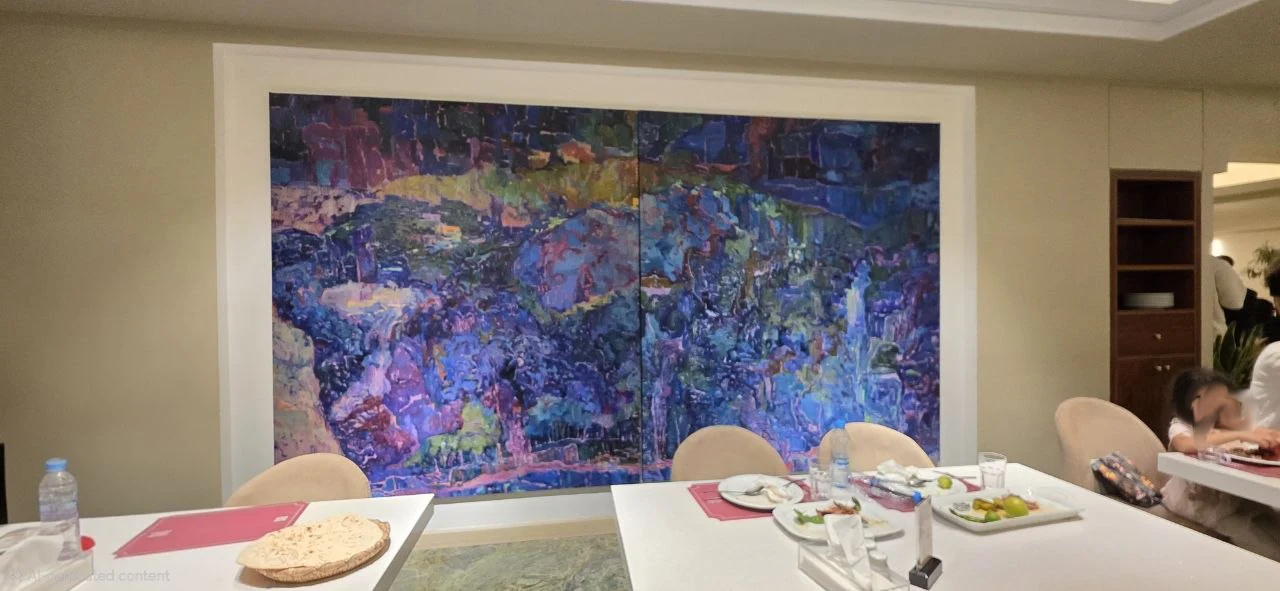
You cannot discuss Chelokabab Raftari without talking about Persian rice.
In Iranian cuisine, rice is not simply a side dish. Properly prepared Persian rice can be one of the highlights of the meal.
Traditional chelow is usually served with:
- Saffron
- Butter
- Grilled tomato
- Lemon
- Raw onion
- Herbs or other traditional accompaniments
The combination of fragrant Persian rice and charcoal-grilled kebab is one of the defining characteristics of the Iranian dining experience.
For international visitors, Persian kebab with saffron rice is one of the dishes most worth trying.
Does Raftari Only Serve Kebab?
No.
Although the name Chalow Kabab Raftari naturally makes people think of kebab, the restaurant’s food selection has historically been broader than kebab alone.
Depending on the location and current menu, customers may find traditional dishes such as:
- Tahchin
- Zereshk Polo Ba Morgh
- Ghormeh Sabzi
- Gheimeh
- Fish
- Shishlik
- Meat dishes
- Chicken dishes
- Traditional appetizers
Older customer experiences also mention dishes such as zereshk polo with chicken and Persian stews at the Vahdat Eslami branch.
This variety makes Raftari suitable for groups where everyone does not necessarily want the same type of kebab.
Raftari Menu Prices
One of the most important questions before visiting any popular Tehran restaurant is:
How much does Raftari cost?
The answer depends on several factors, including:
- The branch you visit
- The specific dish
- Portion size
- Current food prices
- Side dishes
- Beverages
- Appetizers
- Changes to the restaurant’s menu
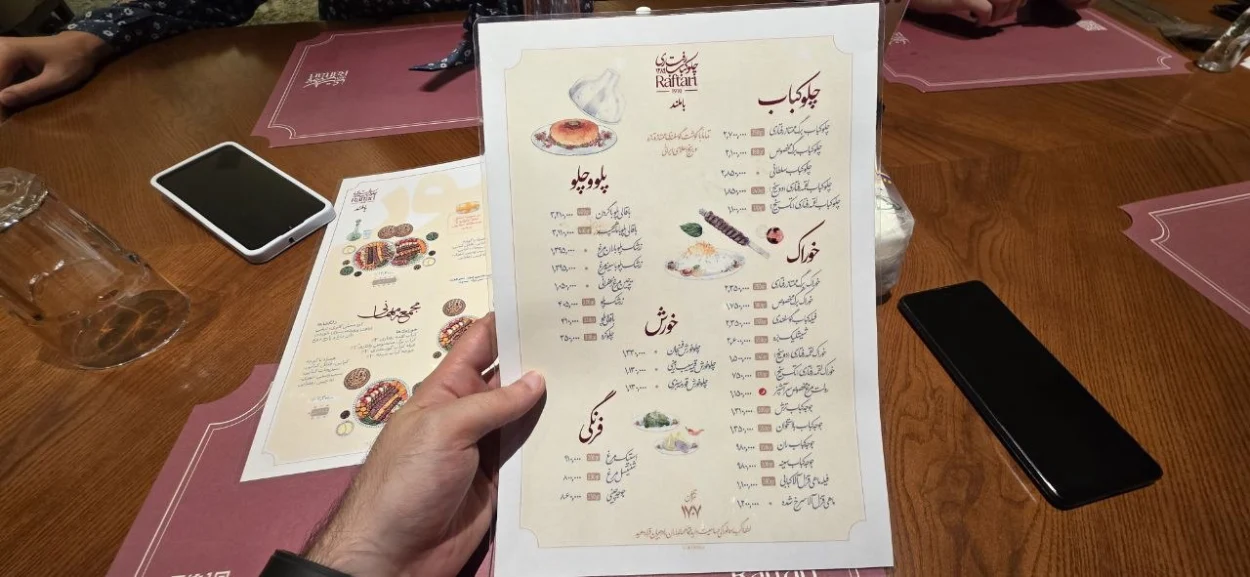
For this reason, old online price lists should not be treated as the current official price.
Some older online listings have published price ranges for Raftari dishes, but these figures are historical and should not be presented as the definitive 2026 Raftari menu prices. For example, an older listing for the Saadat Abad location showed different ranges for Persian food, kebabs, rice dishes, stews, appetizers, and other categories.
Important note about Raftari prices in 2026
Restaurant prices in Tehran can change considerably over time. Therefore, if you are searching for Raftari menu prices in 2026, it is better to check the latest menu or contact the specific branch before visiting.
This is particularly important if you are planning a family meal or comparing Raftari with other Tehran Persian restaurants.
Raftari Branches in Tehran
Raftari has operated several branches in Tehran over the years.
Some of the locations associated with the restaurant include:
- Vahdat Eslami / Shapur
- Saadat Abad
- Enghelab
- Dolat
- Chizar
- Bam Land
Online sources have documented several of these locations, including Vahdat Eslami, Saadat Abad, Dolat, Enghelab, Chizar, and Bam Land.
Because restaurant branches can open, close, relocate, or change their operating hours, it is always sensible to verify the branch information before traveling across Tehran.
Raftari Vahdat Eslami Branch
The Vahdat Eslami branch is arguably the most interesting Raftari location for people interested in the history of Tehran.
The branch is located around the former Shapur area, near Hassan Abad and the old urban fabric of central Tehran.
According to LastSecond’s information and user reviews, this location is regarded as the oldest Raftari branch. The restaurant was reportedly transferred from its earlier location in the Qavam-ol-Dowleh Bazaar area to Vahdat Eslami Street.
Why visit this branch?
The main reason is its historical atmosphere and connection to the older Tehran restaurant tradition.
If your priority is:
- Traditional Tehran
- Historic neighborhoods
- Old Iranian restaurant culture
- Classic Persian food
- A more traditional dining experience
then the Vahdat Eslami branch may be particularly interesting.
Raftari Saadat Abad Branch
The Saadat Abad branch provides a different experience.
This part of Tehran is known for its modern residential and commercial environment, and the Raftari branch here is more convenient for customers living in western Tehran.
Older listings place the restaurant around Allameh Jonoubi and the Toos commercial complex.
This location can be a convenient option for customers who want traditional Iranian food without traveling to central Tehran.
Raftari Bam Land Branch
For people spending time around Lake Chitgar and Bam Land, the Raftari Bam Land branch is one of the most recognizable options.
The restaurant is located in the Bam Land shopping and recreational complex near Lake Chitgar.
This branch is particularly appealing because it combines a Persian dining experience with access to one of Tehran’s popular recreational areas.
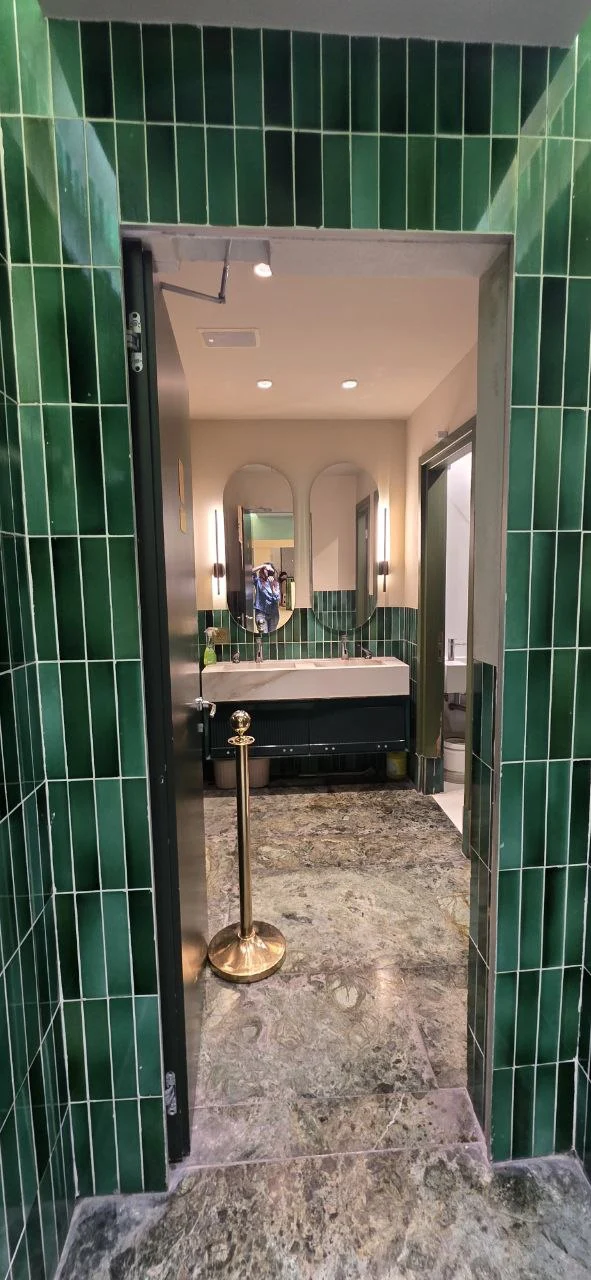
According to older customer reviews, visitors have praised the branch’s spacious environment, staff service, and overall atmosphere. One customer review specifically described the restaurant as spacious and comfortable, while another highlighted the atmosphere and timely service.
Who should choose Raftari Bam Land?
This branch can be a good choice if you are:
- Visiting Bam Land
- Spending the day around Lake Chitgar
- Dining with family
- Looking for a spacious restaurant
- Combining shopping and dining
- Looking for a Persian restaurant in western Tehran
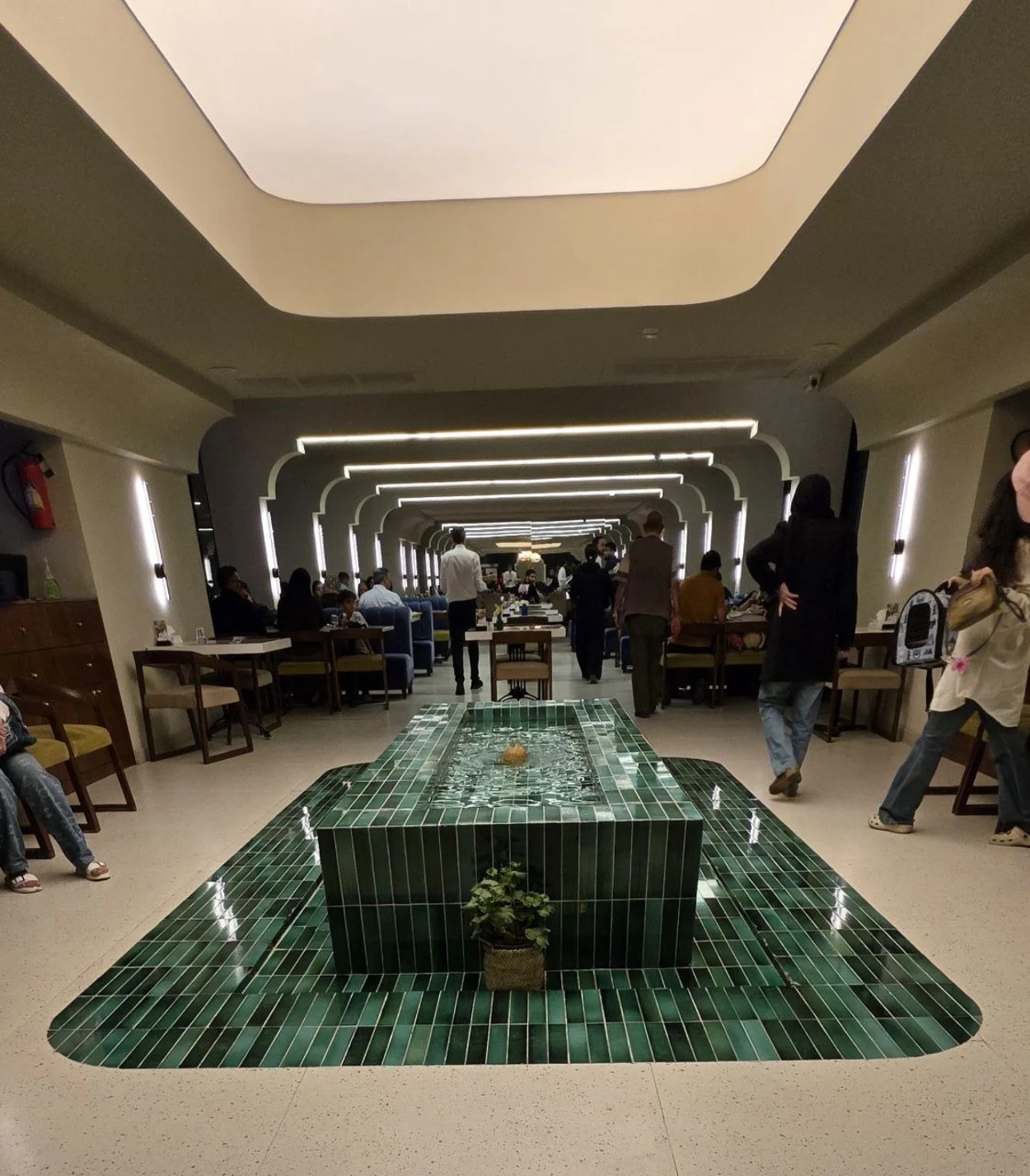
Raftari Restaurant Atmosphere
The atmosphere varies significantly between branches.
The older Vahdat Eslami location is more strongly associated with the traditional identity of Raftari, while newer branches may offer a more modern restaurant environment.
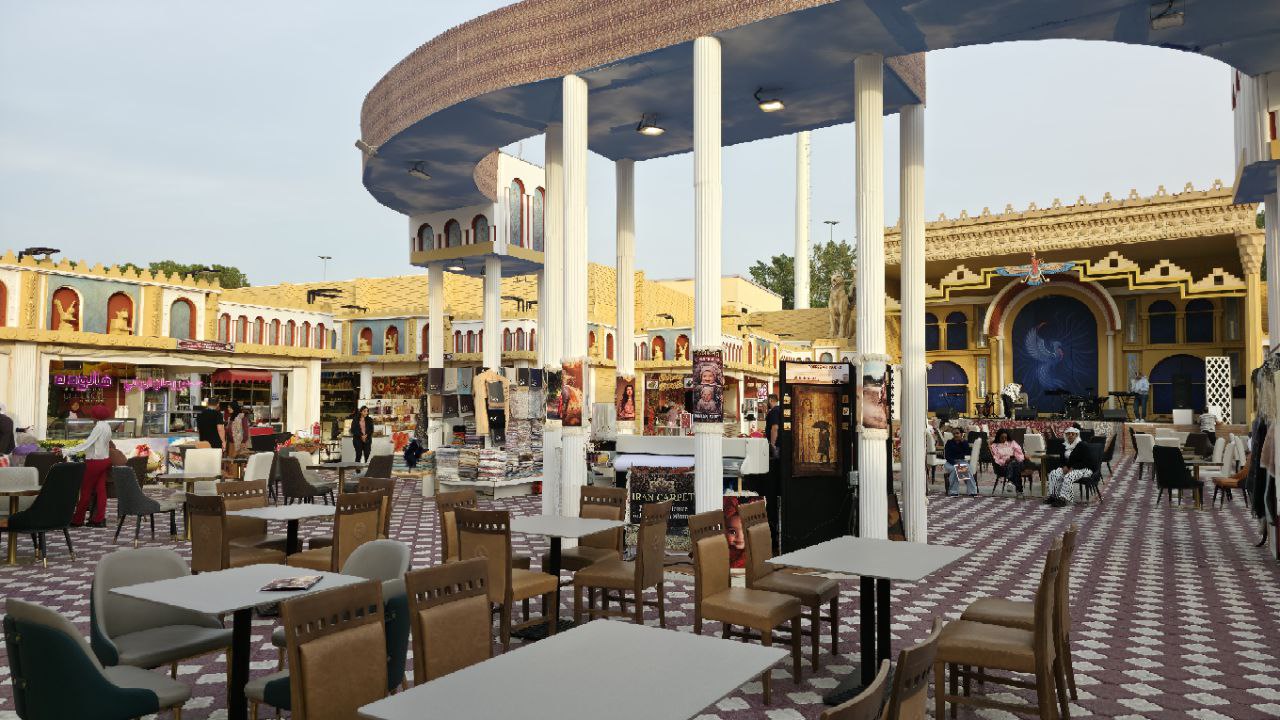
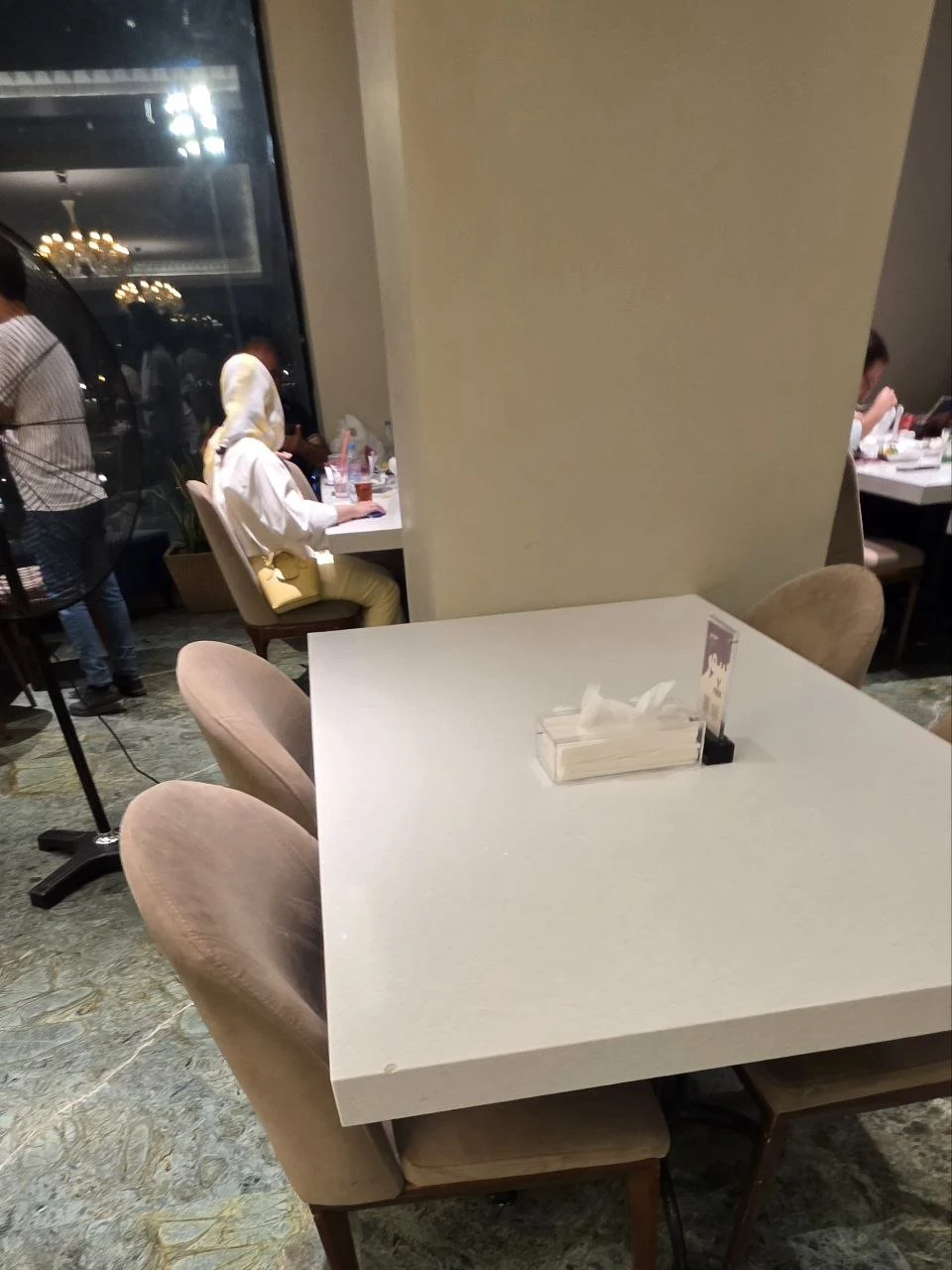
The Bam Land branch, for example, has been described by customers as spacious and bright, with enough room for families and groups.
This means that choosing the right branch is almost as important as choosing the right dish.
If your priority is history and traditional Tehran, choose a historic branch.
If your priority is modern surroundings, shopping, recreation, and family dining, Bam Land may be more suitable.
Is Raftari Good for Families?
Yes, Raftari can be a practical option for family dining because the menu includes a range of Persian dishes rather than only one type of kebab.
Families can order different dishes according to individual preferences, including chicken kebab, koobideh, barg, rice dishes, stews, appetizers, and beverages.
The Bam Land location can be particularly convenient for families because of its location within a larger recreational and shopping complex.
Is Raftari Expensive?
Raftari is generally better described as a mid-range to upper-mid-range traditional Persian restaurant, although the actual cost depends heavily on what you order and which branch you visit.
Premium kebabs, combination plates, appetizers, beverages, and larger orders can significantly increase the final bill.
It is therefore better to compare price versus portion, quality, location, and dining experience rather than judging the restaurant solely by the price of one dish.
Older online listings have placed Raftari’s food prices across a relatively broad range, which reflects the diversity of its menu.
What Should You Order at Raftari?
If it is your first visit, these combinations are worth considering:
For two people
Option 1: Classic Persian experience
- One Soltani Kebab
- One Joojeh Kebab
- Persian saffron rice
- Yogurt
- Salad
For meat lovers
- Barg Kebab
- Koobideh
- Persian rice
- Grilled tomato
- Onion and herbs
For a family
Choose several different dishes rather than ordering the same kebab for everyone.
For example:
- Koobideh
- Joojeh Kebab
- Barg
- Tahchin
- Persian stew
- Salad
- Yogurt
This allows everyone at the table to experience different aspects of Persian cuisine.
Raftari vs. Other Persian Restaurants in Tehran
Tehran has no shortage of traditional restaurants and kebab houses.
What makes Raftari different is its combination of:
Long history + Persian kebab culture + multiple branches + traditional Iranian menu.
The historic identity of the brand is especially important.
For someone visiting Tehran for the first time, Raftari can therefore be considered not merely as a place to eat kebab, but as one of the restaurants connected with Tehran’s long-standing Persian dining culture.
Raftari Restaurant Reviews: What Do Customers Say?
Customer opinions naturally vary from one branch to another.
Reviews of the Bam Land branch include positive comments about the restaurant’s atmosphere, staff behavior, portion-to-price balance, and food quality. One reviewer specifically mentioned ordering koobideh, tahchin, and joojeh kebab and described the overall experience positively.
At the same time, restaurant reviews should always be interpreted carefully.
A restaurant can perform differently depending on:
- Branch
- Time of visit
- Crowd level
- Dish ordered
- Staff
- Personal taste
- Expectations
For this reason, reading reviews from the specific branch you intend to visit is usually more useful than looking only at the overall Raftari rating.
Best Raftari Branch for Tourists
If you are visiting Tehran and want the historical side of Raftari, the Vahdat Eslami branch is particularly interesting because of its connection to the restaurant’s older history.
If you are already visiting Bam Land and Lake Chitgar, the Bam Land branch is a much more convenient choice.
For people staying in western Tehran, Saadat Abad may be easier to access.
In other words, there is no single “best” Raftari branch for everyone.
The best branch depends on your location and the type of experience you want.
Final Verdict: Is Raftari Chalow Kabab Worth Visiting?
If your goal is to experience traditional Iranian kebab and Persian cuisine in Tehran, Raftari is certainly a restaurant worth considering.
Its strongest advantages are its long history, recognizable name, variety of Persian dishes, multiple Tehran branches, and connection to the traditional chelo kebab culture.
The Vahdat Eslami branch is particularly interesting for history lovers, while the Bam Land branch can be a better choice for families and visitors spending time around Lake Chitgar.
The most important thing to remember is that menu items, prices, opening hours, and branch information can change. Therefore, before visiting, check the latest information for the specific Raftari location you intend to visit.
Whether you are craving Persian koobideh, joojeh kebab, barg, Soltani kebab, saffron rice, tahchin, or other traditional Iranian dishes, Raftari remains one of the names worth considering when exploring Tehran’s Persian restaurant scene.
Frequently Asked Questions About Raftari Restaurant
What is Raftari Restaurant famous for?
Raftari is particularly known for Persian cuisine and traditional Iranian kebabs, including koobideh, joojeh, barg, and combination kebabs.
Where is the oldest Raftari branch?
The Vahdat Eslami branch in the former Shapur area is widely described as the oldest and historic Raftari location.
Does Raftari have a branch in Bam Land?
Yes. Raftari has a branch in the Bam Land complex near Lake Chitgar in Tehran.
What should I order at Raftari?
For a first visit, Soltani Kebab, Koobideh, Joojeh Kebab, or Barg with Persian saffron rice are strong choices.
Is Raftari suitable for families?
Yes. The variety of Persian dishes and the larger environment of some branches, particularly Bam Land, make it suitable for family dining.
Are Raftari’s 2026 prices fixed?
No. Restaurant prices can change, so online historical price lists should not be treated as the definitive 2026 menu. It is best to check the latest menu or contact the branch before visiting.
Does every Raftari branch have exactly the same menu?
Not necessarily. Menu items, availability, prices, and services can vary by branch, so checking the specific location is recommended.
Conclusion
Raftari Chalow Kabab represents more than just another kebab restaurant in Tehran. With its long-standing history, traditional Persian menu, famous kebabs, and several branches across the city, it has become a recognizable name in Tehran’s restaurant scene.
For first-time visitors, the combination of Persian kebab, fragrant saffron rice, traditional side dishes, and the restaurant’s historic identity makes Raftari an interesting option for discovering Iranian food culture.
If you are planning your visit, choose the branch according to your needs: Vahdat Eslami for history and traditional Tehran, Bam Land for recreation and family dining, and western Tehran branches for easier access from those neighborhoods.