
How to Identify Original SKF Bearings
When you work with rotating equipment, there is very little room for guesswork. A bearing that looks acceptable on the outside can still fail early, damage nearby components, and bring an entire operation to a stop. That is why knowing how to verify Original SKF Bearings is not just a purchasing skill, but a business protection strategy. In markets where counterfeit products are becoming more convincing every year, buyers need a practical way to separate genuine quality from expensive imitation.
The challenge is that fake bearings are often built to resemble the real thing closely enough to fool an untrained eye. Boxes are copied, labels are duplicated, and even surface finishing can look surprisingly close. Yet there are still clear signs that reveal whether you are dealing with Original SKF Bearings or a counterfeit replacement. The key is to examine the product step by step, from packaging to markings to physical performance indicators.
our products: Buy Ball Bearings Online
Why authenticity matters
A bearing is a precision component. Its job is to reduce friction, carry load, and keep machinery running smoothly under demanding conditions. When a counterfeit bearing is installed, the risks go far beyond a simple replacement cost. It may run hotter, wear out faster, create vibration, or fail suddenly under load. In production environments, that can lead to unplanned shutdowns, lost output, and secondary damage to shafts, housings, and seals.
That is why experienced buyers never focus only on price. They look at durability, consistency, and traceability. With Original SKF Bearings, you are paying for engineering standards, controlled manufacturing, and quality assurance that counterfeit products simply cannot match. The difference may not always be obvious on day one, but it becomes very clear after installation and operation.
Start with the packaging
One of the first and easiest checks is the packaging. Genuine SKF packaging is usually neat, consistent, and professionally printed. Colors should look clean, text should be sharp, and logos should appear properly aligned. Blurry printing, uneven fonts, spelling mistakes, or inconsistent color tones are major warning signs.
You should also compare the box with known reference images from official SKF channels or trusted distributors. Counterfeiters often get some details right but miss small finishing touches such as the placement of barcodes, the quality of the label adhesive, or the accuracy of the product description. If the packaging looks cheap, rushed, or oddly different from previous purchases, treat that as a serious red flag.
For buyers who regularly source Original SKF Bearings, package consistency is often the first filter. A genuine product line tends to maintain a stable design language across cartons, inserts, and labels. If the outer box already feels suspicious, there is no reason to ignore that instinct and continue without deeper checks.
Check the markings on the bearing itself
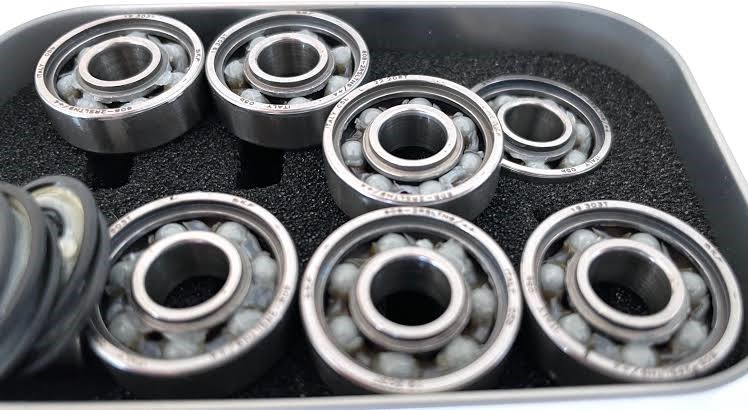
The bearing body usually carries key identification marks, and these should be examined closely. Look at the engraving or laser marking on the outer ring, inner ring, or side face. Genuine SKF markings are typically clean, evenly spaced, and precise. Fakes often show shallow engraving, irregular character size, or rough edges around the lettering.
Pay attention to the product code. It should match the model listed on the box and on the invoice. If the code on the bearing does not match the code on the packaging, that mismatch is a serious authenticity issue. In many counterfeit cases, the outer box may be copied correctly while the bearing itself carries a slightly different or incomplete code.
With Original SKF Bearings, the markings are part of the product identity. They are not decorative. They help confirm manufacturing traceability, batch identification, and model accuracy. If the stamp looks weak, crooked, or inconsistent with SKF standards, you should investigate further before installation.
Our Products: Buy Deep Groove Ball Bearings Online
Verify serial numbers, QR codes, and traceability data
Modern anti-counterfeit systems often rely on serial numbers, QR codes, or traceable labels. If the bearing or package includes a code, scan it and see where it leads. A genuine authentication system should direct you to a valid verification page or provide information that matches the product you received.
Be cautious, however, because counterfeiters can also copy QR graphics. The difference is often in what happens after scanning. If the code leads to a dead page, an unrelated website, or generic information that does not match the item in hand, that is a warning sign. Verification should feel structured and consistent, not improvised.
This step is especially useful when buying Original SKF Bearings in bulk. Large shipments can look correct at a glance, so traceability becomes your best defense. Even if the outer appearance seems acceptable, a mismatch in serial structure or authentication path can expose a fake before it reaches the machine.
Examine surface quality and machining accuracy
A genuine bearing is manufactured with a high level of precision. The surface should feel smooth, the edges should be uniform, and the finish should look controlled rather than rough or cheap. Counterfeit bearings often reveal themselves through small imperfections such as uneven polishing, inconsistent raceway appearance, or poor symmetry in the steel surfaces.
You may also notice differences in weight and balance. While this is not always easy to judge by hand, experienced technicians can sometimes feel when a part is too light, oddly dense, or unbalanced compared to known genuine units. These are not absolute proof on their own, but they add useful context.
With Original SKF Bearings, machining quality is usually visible even before installation. The components feel engineered rather than merely produced. That consistency is one reason professional buyers prefer to work with trusted suppliers instead of uncertain market sources.
Compare dimensions and fit
Another practical method is to compare the bearing dimensions with the technical datasheet. Outer diameter, inner diameter, width, and cage design should all match the published specification. A counterfeit bearing may be close enough to pass a casual glance but still differ slightly in fit, which can create installation problems.
Even a small dimensional deviation can cause mounting issues, improper preload, noise, or premature wear. That is why genuine products are held to tighter tolerances than imitations. When you are evaluating Original SKF Bearings, the correct dimensions are as important as the brand name itself.
If you have access to calipers or micrometers, use them. Measure the part and compare it against the official specification. This simple step can expose a counterfeit long before it reaches the machine.
Evaluate the seller, not just the product
A trustworthy supplier is one of the strongest indicators that you are buying a genuine product. Authorized distributors and established industrial suppliers are far less likely to source fake goods. They typically issue proper invoices, provide product traceability, and stand behind the merchandise they sell.
Ask where the bearing came from, whether it was sourced through official channels, and whether documentation is available. Reliable vendors answer confidently and consistently. Suspicious sellers avoid details, use vague explanations, or pressure buyers to close the deal quickly.
This is especially important for Original SKF Bearings, because the market value of the brand makes it a frequent target for counterfeiting. The seller’s credibility should be treated as part of the inspection process, not an afterthought.
Listen to the bearing before and after installation
If you already have the part installed, sound and vibration can provide additional clues. A genuine bearing should run smoothly under the correct conditions. Excess noise, roughness, or heat buildup may indicate a problem, especially if the operating setup is normal and the lubrication is correct.
Of course, noise alone does not prove a fake. Poor alignment, contamination, or incorrect mounting can also create issues. But when multiple warning signs appear together, the suspicion becomes stronger. Many fake parts reveal themselves only after operation begins, which is why testing and monitoring matter.
In demanding applications, Original SKF Bearings tend to provide the kind of stable performance technicians expect. If a bearing starts behaving strangely very early in its service life, that is a reason to stop and inspect the source.
Be careful with unusually low prices
Counterfeit products often compete through price. If the offer looks far below market value, pause and ask why. Real industrial components have cost structures based on material quality, manufacturing standards, logistics, and authorized distribution. A price that is dramatically lower than normal may indicate a fake, a grey-market item, or a product with compromised traceability.
Buyers sometimes justify the discount by saying they are saving money upfront. In practice, however, a cheap counterfeit can cost far more once it fails. Downtime, labor, replacement parts, and collateral damage usually outweigh the initial savings many times over.
This is why procurement teams that regularly source Original SKF Bearings often focus on total cost of ownership rather than sticker price. Reliable parts protect equipment, schedules, and budgets.
Keep records of every purchase
One of the most overlooked parts of authenticity control is documentation. Always keep invoices, purchase orders, batch numbers, photos of packaging, and verification results. If a problem appears later, these records make it much easier to trace the source and identify where the chain failed.
Documentation also helps with repeat purchasing. When you know which supplier delivered genuine stock in the past, you can reduce uncertainty in future orders. Over time, this becomes part of a smarter procurement system.
For buyers who depend on Original SKF Bearings, record keeping is more than admin work. It is a practical defense against quality loss and supply-chain confusion.
Final checklist before installation
Before installing the bearing, make one last review. Confirm the box, label, code, dimensions, seller, and overall finish. Check whether the product matches the datasheet and whether the packaging feels consistent with known genuine items. If anything is unclear, stop and verify before the part goes into the machine.
This final check often saves the most money. Once a counterfeit is installed, the cost of removal, inspection, and potential damage rises quickly. A few extra minutes at receiving stage can prevent a major failure later.
Conclusion
Learning how to identify Original SKF Bearings is a practical skill that protects equipment, productivity, and reputation. The strongest buyers do not depend on one clue alone. They verify packaging, markings, codes, dimensions, supplier reliability, and real-world performance together. When these details all align, you have a much better chance of receiving a genuine product that performs as expected.
If your operation depends on reliability, the safest approach is to source carefully, inspect thoroughly, and work only with trusted partners who understand the value of genuine industrial components. For professional support, verified sourcing, and dependable guidance, contact alma bearings.
FAQs
1. What is the easiest way to spot fake SKF bearings?
Start with the packaging, product code, and surface finish. If any of those look inconsistent, continue checking before installation.
2. Can counterfeit bearings look exactly like genuine ones?
They can look very close externally, but details such as machining quality, markings, traceability, and performance often expose them.
3. Is price a reliable indicator of authenticity?
Not by itself, but extremely low pricing is a strong warning sign and should prompt deeper verification.
4. Should I buy only from authorized distributors?
Yes, that is the safest option. Authorized suppliers reduce the risk of counterfeit or grey-market products.
5. What should I do if I suspect a bearing is fake?
Stop installation, document the item, compare it with official references, and contact the supplier for verification immediately.
6. Do fake bearings always fail quickly?
Not always. Some counterfeit bearings work for a short time, but they usually have a much higher risk of early failure, noise, and heat generation.