Best Time to Visit Damavand: Complete Weather and Seasons Guide
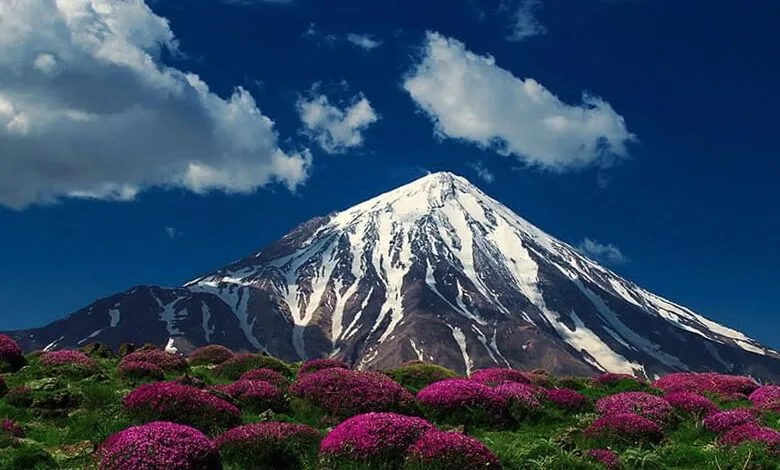
Damavand County, located in the east of Tehran Province on the slopes of the magnificent Mount Damavand, possesses a moderate mountainous to cold semi-arid climate due to its high elevation (over 2,000 meters in Damavand city) and mountainous location within the Alborz mountain range. This makes it an excellent destination for escaping the summer heat. Known for its perpetual coolness, this ancient city’s four distinct seasons offer a satisfying travel experience for every preference. If you plan to travel and stay in this historical and pleasant city, a precise understanding of Damavand’s weather in each season will help you choose the best time for your experience.
Summer: The Best Time for Travel and Peak Accommodation in Damavand
The Golden Season of Climatic Stability (Tir to Mid-Shahrivar / July to Mid-September): Summer is undoubtedly the best time to travel to Damavand in terms of overall weather conditions, comfort of stay, and climatic stability. This season is considered the busiest and most popular time for tourism in the region.
While central Iranian cities like Tehran grapple with peak summer heat and temperatures often exceeding 35°C, Damavand welcomes tourists with cool and pleasant weather.
Weather Advantages: The average daytime temperature in Damavand city ranges from 25 to 30°C, which is very comfortable. Nights are refreshingly cool (sometimes dropping to 10°C), making them ideal for overnight stays and camping in the surrounding area, and eliminating the need for cooling appliances. High climatic stability ensures clear, sunny skies, providing the best conditions for hiking, enjoying the outdoors, and visiting water attractions.
Ideal Activities: This season is the best time for technical ascents of Mount Damavand (especially July and August), excursions around the beautiful Tar and Hoor Lakes, and stays in summer villages like Masha and Cheshmeh Ala. It is also the peak season for harvesting summer fruits in Damavand’s orchards, attracting many visitors.
Spring: The Beauty of Blossoms and the Refreshment of the Mountains
The Season of Nature’s Awakening (Farvardin to Khordad / March to June): Spring in Damavand is a season full of vitality, rain, and unparalleled greenery, though the weather can be variable and relatively cold at the beginning.
Early Spring (Farvardin and Early Ordibehesht / March and April): In Farvardin, the weather remains cold and humid. Sudden spring rains are common, and flash floods can occur due to melting snow in the highlands, where heavy winter snow still lingers. This time is more suitable for those seeking solitude and cooler weather.
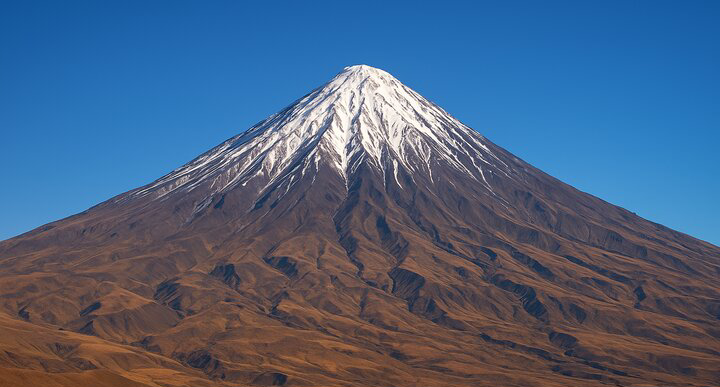
Late Spring (Late Ordibehesht and Khordad / Late May and June): This period marks the peak of Damavand’s beauty. As the snow gradually melts and wild flowers bloom, especially the plains covered with red poppies of Lar Plain (Dasht-e Lar) (typically Mid-May to Mid-June), Damavand reaches its most picturesque state. The weather quickly becomes warmer and more stable, with daytime temperatures being moderate and ideal for walking.
Key Point: If your goal is to see the grandeur of nature at its greenest and capture stunning photographs, Late Spring (Khordad/June) is a serious competitor to summer due to the combination of natural beauty, pleasant weather, and less summer congestion. The freshness of the mountain air during this time is particularly delightful.
Autumn: Multicolored Serenity and the Onset of Cold
The Season for Lovers of Calm and Color (Mehr to Azar / September to December): Autumn in Damavand begins with a display of warm natural colors, dreamy landscapes, and pleasant weather, but quickly transitions towards the harsh cold of winter.
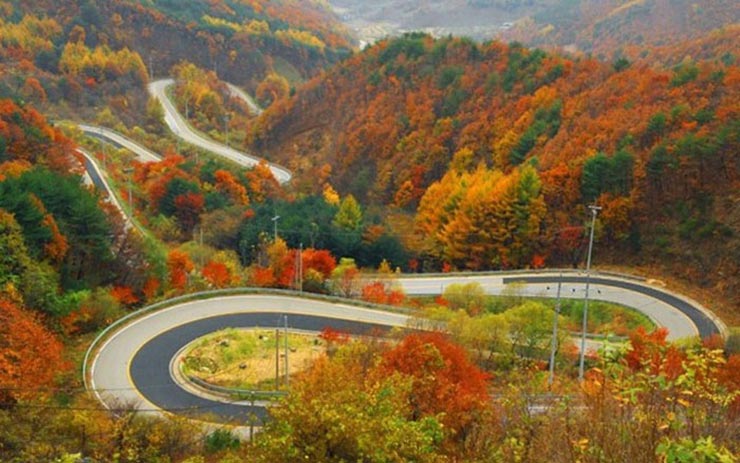
Early Autumn (Mehr / October): The weather is cool and dry, and daytime temperatures are still suitable for sightseeing. The autumn scenery, with the yellow, orange, and red hues of the trees, is unparalleled for photography. The summer crowds have dissipated, and a wonderful tranquility prevails over the region. This period is the best choice for those seeking a calmer, more secluded, and poetic trip. It is also the harvest season for garden products like apples and walnuts.
Late Autumn (Aban and Azar / November and December): As Azar approaches, temperatures drop sharply, and the first heavy snowfalls often occur in the highlands. The temperature difference between night and day becomes significant, and nights are very cold. Traveling during this period requires complete warm clothing and heating equipment, and driving on mountainous roads must be done with extra caution.
Winter: The Challenge of Snow and Ice for Professionals
The Season of Challenge and Untouched Beauty (Dey to Esfand / January to March): Winter in Damavand is a full-fledged, severe mountain winter due to its high altitude.
Weather Conditions: Severe cold (sub-zero temperatures), heavy snowfall, and widespread frost are the main features of this season. Access to some foothill villages may be restricted due to heavy snow. Damavand’s winter landscapes, covered in white snow, create a pristine and untouched view.
Suitability: This season is generally not recommended for ordinary stays and sightseeing. However, winter is the peak season for technical and specialized mountaineering in harsh conditions for professional athletes. For ordinary visitors, some areas around Damavand (such as small local ski slopes or the lower slopes of the peak) offer opportunities for winter fun like sledding, tubing, or snowshoeing, but must always be undertaken with complete equipment and high safety standards.
Quick Look at the Best Time to Travel to Damavand by Season
This quick summary will help you choose the best time to travel:
Spring (Late Ordibehesht – Khordad / Late May – June):
- Best Time: Late Ordibehesht to Khordad.
- Weather Conditions: Moderate, peak natural greenery and plains, cool nights.
- Ideal Trip Type: Nature tourism, photography of the poppy fields, and enjoying the mountain freshness.
Summer (Tir and Mordad / July and August):
- Best Time: Tir and Mordad.
- Weather Conditions: Ideal and stable, the best time to escape heat from other regions.
- Ideal Trip Type: Long stays, hiking, camping, general tourism, and enjoying the cool air.
Autumn (Mehr / October):
- Best Time: Mehr (October).
- Weather Conditions: Cool and dry, colorful display of nature, more tranquility due to fewer travelers.
- Ideal Trip Type: Secluded trips, photography of autumn landscapes, and participating in local harvests.
Winter (Dey to Esfand / January to March):
- Best Time: Unsuitable for general travel.
- Weather Conditions: Very cold and snowy, frost and severe weather conditions.
- Ideal Trip Type: Specialized mountaineering and winter sports (like skiing).
Final Conclusion for Selection:
If your priority is the best weather conditions, easy access, and ideal temperature for a general stay, you should undoubtedly choose the months of Tir and Mordad (Peak Summer) for your trip to Damavand. This time guarantees the most pleasant weather experience. However, if you are looking for specific visual beauty (poppies or autumn colors) and wish to avoid the summer crowds, Late Spring (Khordad/June) and Early Autumn (Mehr/October) will be your best options.
Damavand Travel FAQs for International Tourists
This section answers the most important questions an international tourist might have when planning a trip to Damavand city and its surrounding region:
1. What is the overall best month to visit Damavand city in terms of weather?
Answer: The months of Tir and Mordad (July and August) are the best. During these months, the weather in Damavand city is very pleasant and cool (around 25 to 30 degrees Celsius during the day) and stable in all respects, which is ideal for escaping the summer heat of other Iranian cities.
2. What is the best season for non-professional climbers to summit Mount Damavand?
Answer: Summer, particularly Tir and Mordad (Mid-July to Mid-September), is the best time for non-technical climbing. During this period, the risk of snowfall and frost is significantly reduced, and the routes are safer.
3. Can I travel to Damavand in winter? What activities are allowed?
Answer: General travel and ordinary stays in winter (Dey to Esfand / January to March) are not recommended due to severe cold and freezing conditions. This season is only suitable for specialized, technical mountaineering with complete gear, or enjoying local winter sports.
4. What month should I travel to see the red poppy fields of Lar Plain (Dasht-e Lar)?
Answer: The best time to witness the peak bloom of the poppies in Lar Plain is usually from Late Ordibehesht to Mid-Khordad (Mid-May to Early June). The weather also becomes more moderate during this period.
5. How cold do the summer nights get in Damavand, and what clothing is necessary?
Answer: Even during peak summer, nights in Damavand become very cool, with temperatures potentially dropping to 10 degrees Celsius. You must bring warm clothing, a jacket, or a light coat for the evenings and outdoor stays.
6. Is autumn a good time for photography in Damavand’s nature?
Answer: Yes, Mehr (October) is excellent. In early autumn, the weather is cool and dry, and the trees take on golden, orange, and red colors, providing beautiful scenery for photography. The area is also less crowded in this season.
7. What is the best season to visit Tar and Hoor Lakes (Daruyacheh-ha-ye Tar va Hoor)?
Answer: The Summer season is ideal. The stable weather and comfortable daytime temperatures allow you to fully enjoy sightseeing around the lakes and camping nearby.
8. Are there any weather risks in the spring months (Farvardin)?
Answer: In Farvardin (March/April), the weather is still cold and variable, with the possibility of sudden heavy rainfall and even flash floods caused by melting snow from the highlands. It is better to postpone the main trip until late spring (Khordad / June).
9. Is Damavand city always crowded? What is the least crowded time to visit?
Answer: Damavand is at its busiest in the Summer. If you are looking for a calmer trip, Early Autumn (Mehr/October) and Early Spring (Farvardin/March-April) are less crowded, but you must carry appropriate gear for cooler weather.
10. Is travel on the mountainous roads safe in late autumn or winter?
Answer: Travel in late autumn and winter requires extreme caution. Due to snowfall and potential icing (black ice), having snow chains, warm clothes, and checking the weather conditions before driving are absolutely necessary.