The Skyscraper War : Why the Architectural Rivalry in the Persian Gulf Will Never End?
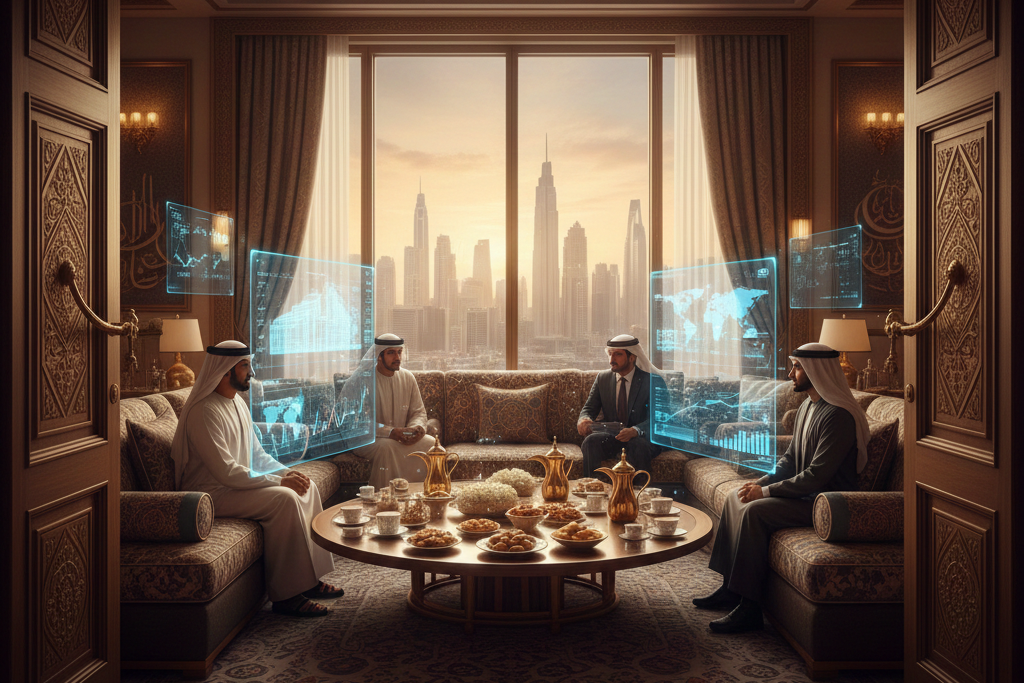
The skyline in the Persian Gulf is no longer defined merely by glowing sunsets and vast deserts; today, it is giant cranes and towering skyscrapers that have become the primary symbols of the region. From the Burj Khalifa in Dubai to the Jeddah Tower in Saudi Arabia, the Middle East has turned into a battlefield for setting new architectural records. But why is there no end in sight to this “skyscraper war”?
In this article, we explore the economic, political, and psychological roots of this endless rivalry and analyze the future of architecture in the Persian Gulf.
The Roots of the Middle East’s Skyscraper War
To understand why Arab countries in the Persian Gulf are pouring billions of dollars into massive structures, we must look beyond the steel and concrete. Three main factors are driving this competition:
Transition to a Post-Oil Economy: These nations are well aware that their oil reserves will eventually run dry. Building iconic mega-projects is a strategic move to attract foreign investment, boost the tourism industry, and transform their cities into global business hubs.
National Branding and Soft Power: In today’s world, architecture is a powerful tool for diplomacy. A record-breaking skyscraper puts a city’s name in global headlines, instantly granting it international prestige, modern branding, and credibility.
Regional Geopolitical Rivalry: There is both a hidden and overt rivalry among the UAE, Saudi Arabia, and Qatar to claim the title of the “Leader of Modernity in the Middle East.” Each country wants to prove it is more advanced, visionary, and bolder than its neighbors.
The Leading Players in the Architectural Arena
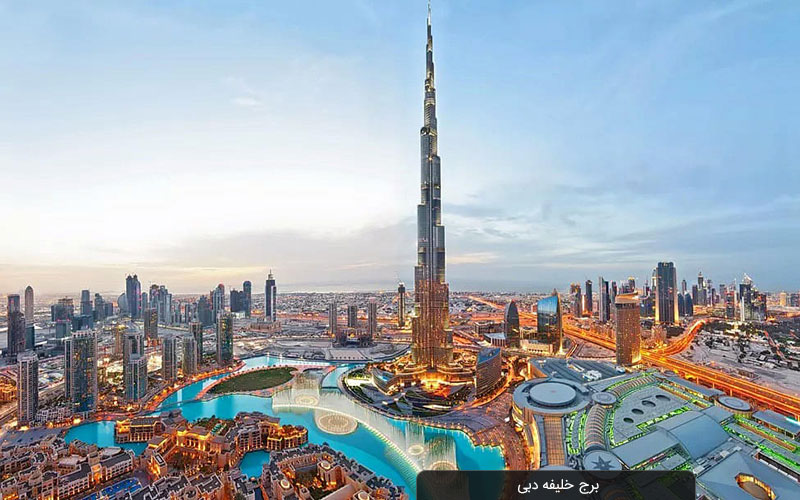
In this heated competition, several regional powerhouses have taken the lead by unveiling projects that push the very boundaries of engineering. The United Arab Emirates remains the current record-holder with its crown jewel, the Burj Khalifa in Dubai, which stands at a staggering 828 meters. However, Dubai refuses to rest on its laurels; with the Dubai Creek Tower—currently under redesign and development—the city aims to introduce a new icon of futurism and advanced cable-tied architecture, ensuring its status as a global hub of innovation remains unchallenged.
On the other side of the border, Saudi Arabia has launched a series of daring projects that pose a direct challenge to its neighbors. The Jeddah Tower, with a target height exceeding 1,000 meters, is specifically designed to strip the Burj Khalifa of its title and claim the crown for the world’s tallest man-made structure. Yet, Saudi ambition extends far beyond mere verticality. The Line in the NEOM megacity is a revolutionary horizontal linear city that completely redefines the traditional concept of a skyscraper. Furthermore, The Mukaab in Riyadh is set to become the world’s largest cubic structure, utilizing immersive technology to create an architectural experience unlike anything seen before.
From “Height” to “Innovation”: The Shifting Battlefield
While the focus of the past decades was almost entirely on building the tallest tower in the world, the rules of this war have shifted.
The rivalry in the Persian Gulf is no longer just about “meters and centimeters”; the real battle is now over innovation, artificial intelligence, and seemingly impossible designs.
Projects like NEOM in Saudi Arabia demonstrate that countries in the region are increasingly pursuing horizontal architecture, floating cities, and eco-friendly structures. The integration of smart technologies, renewable energy, and avant-garde designs has defined the next phase of this competition.
The Challenges Ahead: Is This Architectural Frenzy Sustainable?
Despite all their global appeal, these mega-projects face serious criticisms and practical challenges:
Environmental Crises: Building and maintaining massive glass skyscrapers in the middle of a desert with temperatures reaching 50°C (122°F) requires a terrifying amount of energy for cooling. This often contradicts their bold slogans of sustainability and green development.
Economic Justification: Many critics argue that some of these super-towers might turn into “white elephants”—costly, over-ambitious projects that never achieve the necessary profitability and leave entire floors empty.
Workers’ Rights: Pressure from international human rights organizations regarding the working and living conditions of the migrant laborers who build these massive structures remains a significant and ongoing challenge for these projects.
Conclusion
The skyscraper war in the Persian Gulf will never truly end; it will only change its form. As long as there is a pressing need to attract global capital, develop tourism, and showcase national pride on the world stage, the Gulf states will continue to design and fund ambitious projects. The future of architecture in this region will be a spectacular blend of dizzying heights and sci-fi technologies that continuously push the boundaries of human engineering.