The Best Season to Visit Flamingo Island Dubai: Witnessing Pink Wonders in the Heart of Modernity
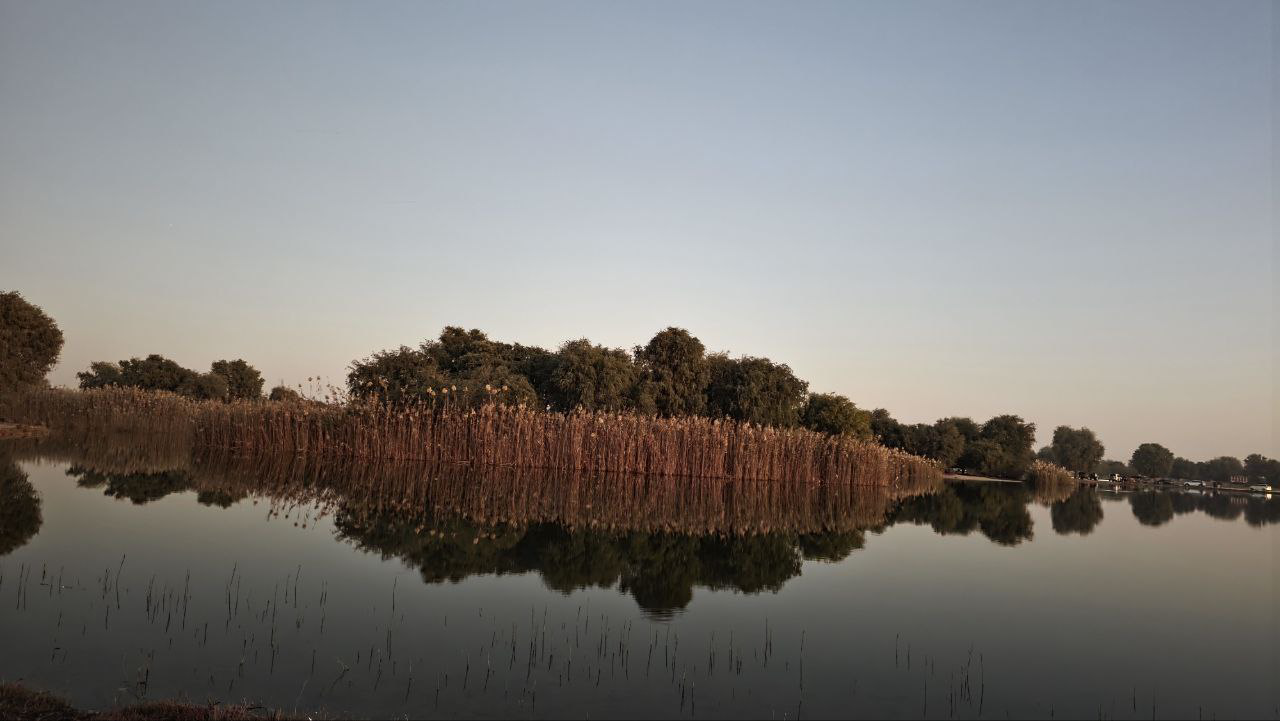
Did you know that amidst Dubai’s towering skyscrapers and glamorous lifestyle, there lies a natural sanctuary that thousands of pink flamingos call home? The Ras Al Khor Wildlife Sanctuary, often referred to by visitors as “Dubai Flamingo Island,” is one of the few urban protected areas in the world and is officially recognized as a Ramsar site (a wetland of international importance). However, to avoid closed doors or empty lagoons, you must plan carefully and know exactly when to pack your bags.
What is the Best Season to Visit the Dubai Flamingos?
If your primary goal is to witness a high density of flamingos and experience the true majesty of wildlife, the winter season (November to March) is undoubtedly the prime time. During these months, the wetland ecosystem reaches its peak vitality.
During this golden season:
The Great Migration: Thousands of flamingos migrate from colder northern regions (including Lake Urmia in Iran and Central Asia) to seek refuge in the warm, nutrient-rich wetlands of Dubai. During these months, the lagoon turns into a sea of pink, with bird density so high that the water surface is sometimes invisible.
Ideal Weather for Tourism: Temperatures in Dubai drop significantly, and a cool breeze blows from the sea. These conditions make walking through the designated paths and standing in the viewing hides a pleasant, sweat-free experience.
Biodiversity: In addition to the Greater Flamingos, this season offers the chance to spot over 270 other species of migratory birds. You can see various herons, egrets, sandpipers, and even marsh eagles, alongside animals like desert foxes that come to the sanctuary for the winter.
Are there Flamingos in the Summer?
Yes, the Ras Al Khor Wildlife Sanctuary remains open year-round. A number of young flamingos or those that do not migrate for various reasons (resident flamingos) stay here throughout all seasons. However, during the summer (April to September), the scorching heat exceeding 40°C and extreme humidity cause the bird population to drop to a minimum. Furthermore, enduring the weather conditions outside the climate-controlled hides can be very challenging for visitors.
The Golden Hour: Best Time of Day for Photography and Viewing
Choosing the right season is only half the battle; selecting the specific time of day can transform the quality of your visual experience.
Feeding Times: This is the most crucial time for those who want to see the flamingos from the closest possible distance. Usually, between 10:00 AM and 4:00 PM, trained rangers feed the flamingos at specific points. During these moments, large flocks swarm toward the viewing hides, allowing you to see the stunning details of their beaks and feathers with the naked eye.
Sunrise and Morning Light (7:30 AM to 9:30 AM): If you are looking for tranquility and magical light for professional photography, arrive at the lagoon as soon as the gates open. The sun’s reflection on the pink feathers, with a thin mist over the water and the silhouette of the Burj Khalifa in the distance, creates a surreal, postcard-perfect scene.
Before Sunset: The final hours of the sanctuary’s operation (near 5:00 PM) are ideal for observing the birds’ social behaviors and their collective flights against Dubai’s orange horizon as they prepare for their nightly rest.
Flamingo Island Dubai in 2026 : Discovering Dubai’s Secret Flamingo Island
Viewing Hides: Where to See the Flamingos?
To prevent stress to the birds, the management of Ras Al Khor has designed specific paths and hides that are completely free for the public:
Flamingo Hide: Located on the western side, this is the most popular spot. It sits directly across from the main gathering and feeding area, offering the best angle to see the massive population.
Mangrove Hide: This area is surrounded by lush mangrove forests. It is a fantastic place to spot birds foraging among the roots and offers a higher chance of seeing birds of prey.
Lagoon Hide: This point offers a vast, panoramic view of the entire protected wetland, perfect for understanding the scale of this unique ecosystem.
Essential Tips for Visitors (Rules and Ethics)
To preserve this natural heritage, the following protocols must be followed:
- Absolute Silence: Loud noises, running, or shouting scares the birds, causing them to take flight suddenly, which wastes their vital energy. The hides are spaces for meditation and quiet observation.
- Smart Photography: Photography with professional cameras is allowed, but the use of flash is strictly prohibited. Additionally, flying drones is illegal without official permits due to the proximity to sensitive wildlife and urban areas.
- No Hand-Feeding: Do not attempt to feed the birds. Their diet is strictly monitored by experts to ensure their health is not compromised.
- Recommended Gear: While binoculars are provided inside the hides, they can get crowded. It is better to bring your own binoculars or telephoto lenses (300mm and above) to capture beautiful portraits of the birds.
How to Get to Flamingo Island Dubai
The sanctuary is strategically located at the end of Dubai Creek. Despite its proximity to the city center, there is no direct public transport to the hides themselves.
Best Option: Use ride-hailing apps (Uber or Careem) or a rental car. Search for “Ras Al Khor Wildlife Sanctuary” in your navigation app to be directed to the specific parking lots for the hides.
New Opening Hours:
Peak Season (October to March): 7:30 AM to 5:30 PM
Off-Peak Season (April to September): 6:00 AM to 6:00 PM
How to Get to Flamingo Island Dubai? A Complete Guide to Routes & Free Access
Final Summary
Dubai is not just a city of shopping and concrete towers; Ras Al Khor is the city’s green lung and a symbol of the coexistence of modernity and nature. To truly appreciate the glory of this wetland, plan your trip for January, February, or March. Remember, this is one of Dubai’s most valuable free attractions, leaving you with “pink” memories that will last a lifetime.