
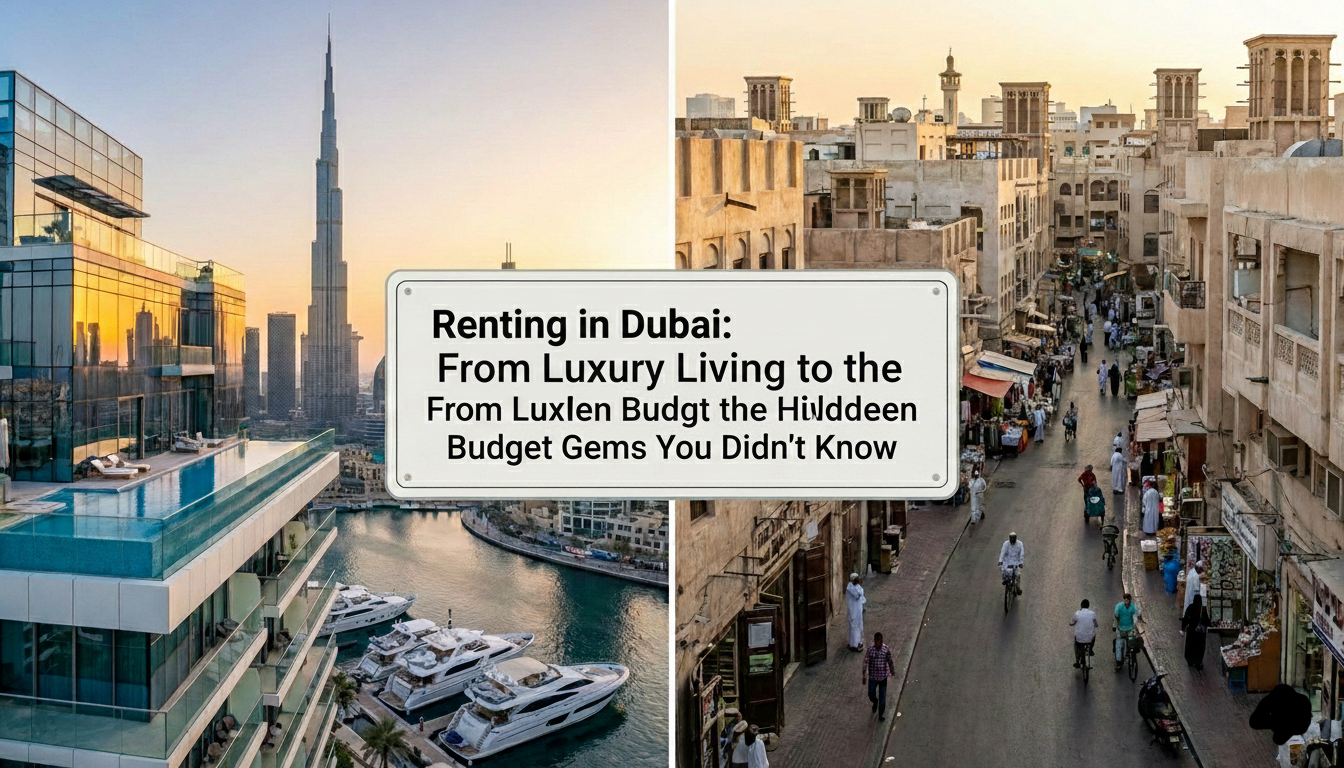
Renting in Dubai: From Luxury Living to the Hidden Budget Gems You Didn’t Know
Dubai, the city of dreams and opportunities, is an attractive destination for professionals, entrepreneurs, and families from all corners of the globe. One of the most critical questions facing anyone before moving to this modern metropolis is the cost of housing. In this article, we provide a realistic and detailed look at the Dubai rental market to give you a clear picture of the true cost of living in this city.
The Dubai Rental Market at a Glance: Variety for Every Budget
Contrary to popular belief, Dubai is not just a city of sky-high luxury towers. The city encompasses a wide range of districts, offering everything from highly affordable options for singles and employees to magnificent villas for large families. In fact, Dubai is designed so that both a C-suite executive and a junior employee can find a home with high standards of comfort based on their income level.
Average Rental Prices by Property Type (Annual)
Rental costs in Dubai are typically quoted annually. A key factor is that the number of checks paid can directly influence the final price; paying in a single check usually comes with a 5% to 10% discount:
- Studio: Between AED 25,000 and AED 70,000. These units are perfect for singles or those seeking a minimalist lifestyle, often found at better rates in newer areas like Al Furjan or Dubai Sports City.
- One-Bedroom Apartment: Between AED 55,000 and AED 120,000. An ideal choice for young couples; prices vary depending on building amenities such as infinity pools, modern gyms, and proximity to shopping malls.
- Two-Bedroom Apartment: Between AED 85,000 and AED 180,000. These units often feature master bedrooms and larger living spaces, located in areas with excellent road connectivity.
- 3 to 5 Bedroom Villas: Starting from AED 150,000 to millions in exclusive areas like Palm Jumeirah or Emirates Hills. These villas usually offer private yards and, in many cases, personal swimming pools.
Most Popular Residential Areas in Dubai
1. Dubai Marina & JBR: For Sea View Lovers
If you are looking to live in the beating heart of Dubai near the beach, Marina is the top choice. This area is highly popular among expats due to its vibrant nightlife.
- Best for: Young professionals, working couples, and those who prefer an energetic urban lifestyle.
- Pros: Excellent access to the tram and metro, an unparalleled variety of beachfront restaurants and cafes, and long scenic waterfront walkways.
2. Business Bay & Downtown: Living Next to Burj Khalifa
This area is Dubai’s commercial hub and a symbol of its grandeur and modernity. Living here means being at the center of all the city’s major luxury events.
- Best for: Professionals who want to be close to their workplaces in financial centers and those who love luxury brands.
- Highlights: Daily views of the Dubai Fountain, direct access to the Dubai Mall, and proximity to the Dubai Opera.
3. Jumeirah Village Circle (JVC) & Dubailand: Economic and Family Options
These areas are designed to provide a quiet environment away from the city’s tourist hustle. In recent years, they have become popular residential hubs as infrastructure has been completed.
- Best for: Families looking for more green space, neighborhood parks, and a safe environment for children.
- Pros: Competitive pricing, new buildings with modern architecture, and easy access to international schools.
Additional Costs to Consider
When budgeting for a home in Dubai, do not stop at the contract amount. Transparency regarding side costs will help you avoid surprises:
Security Deposit: An amount held by the landlord; usually 5% of the annual rent for unfurnished units and 10% for furnished ones.
Agency Commission: The market standard is 5% of the total annual contract value, paid at the time of signing.
DEWA (Water & Electricity): Includes consumption costs for water and electricity. Additionally, a “Housing Fee” equivalent to 5% of your annual rent is calculated and collected monthly via DEWA bills.
Ejari: Approximately AED 220 to officially register the contract in the Dubai Land Department system. This registration is mandatory to protect your legal rights in case of a dispute with the landlord.
The Ultimate 2026 Dubai Cost of Living Guide: Is It Still Tax-Free Paradise?
5 Golden Tips for Smart Renting in Dubai
Negotiate with Checks: In Dubai, the fewer the checks, the more bargaining power you have to lower the rent. For example, offering the full amount in one check can reduce the price by up to 10%.
Evaluate Traffic and Metro: Dubai experiences heavy traffic during peak hours. If you don’t use a private car, ensure you choose a home that is at most a 10-to-15-minute walk from a metro station.
Inspect Amenities: Most towers feature a pool, gym, sauna, and 24-hour security. Before signing, check the quality and cleanliness of these areas, as their cost is included in your rent.
Clarify Cooling Costs (Chiller): In some buildings, the cooling cost is “Chiller Free,” meaning the landlord pays for the central air conditioning. This can save you AED 500 to 1,000 monthly during the hot summer months.
Document the Property Condition: Before moving your furniture in, take photos and videos of every corner of the house, especially any scratches on walls or damage to cabinets. This ensures the full return of your security deposit at the end of the contract.
Why Dubai is the World’s Tax Haven in 2025: A Complete Guide to Exemptions and Wealth Strategies
Frequently Asked Questions (FAQ)
1. Can the landlord increase the rent during the contract?
No, the landlord has no right to change the rent during the contract period. Any increase for the following year must follow the “RERA” Rental Index, and the tenant must be notified in writing at least 90 days before the contract expires.
2. What penalty must I pay if I want to terminate the contract early?
There is no standard law, but most contracts state that the tenant must pay 2 months’ rent as a penalty for early termination, unless another agreement is specified in the contract text.
3. Is it possible to rent a house without a “Dubai Residency”?
An Emirates ID is required for official long-term (annual) contracts. However, for short-term rentals or Hotel Apartments, tourists can rent by providing only their passport and tourist visa.
Conclusion
Dubai is a city that has something for every lifestyle and every income level; from modern apartments in Marina to cozy villas in the suburbs. The key to success in finding the right home is field research, comparing prices on reputable apps, and prioritizing your personal needs. Given the high security, economic stability, and global standards, renting in Dubai is not just an expense, but an investment in your peace of mind and quality of life.
Do you have questions about the difference between “short-term” and “long-term” contracts? Or do you want to know which neighborhood has the best schools? Share with us in the comments so we can guide you.