
Persian Gulf Explained: History, Islands, and Global Importance
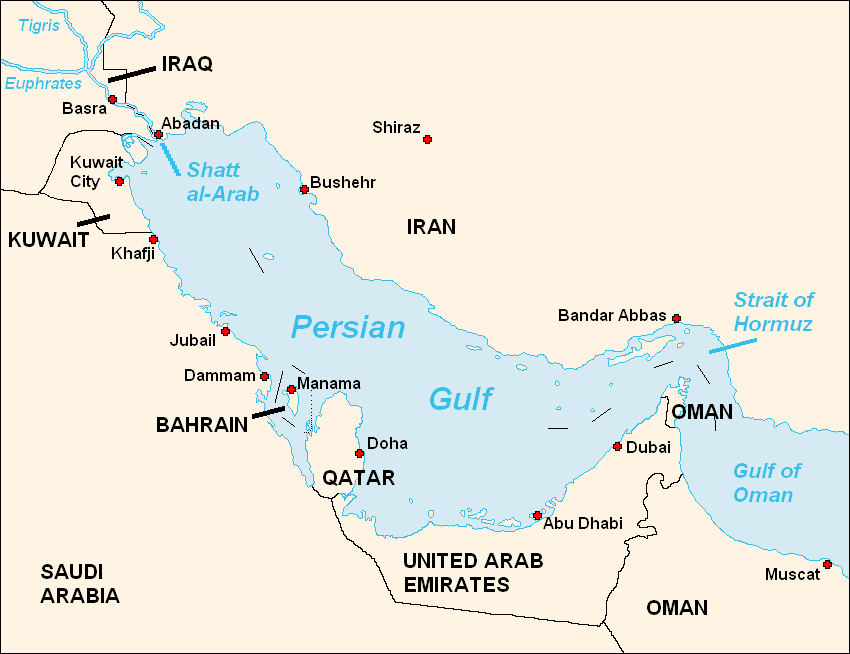
The Persian Gulf is a semi-enclosed body of warm water located in southern Iran. It is connected to the Gulf of Oman and the Indian Ocean through the Strait of Hormuz. This gulf is considered one of the most important geopolitical and economic regions in the world.
Size and Dimensions of the Persian Gulf
Area: About 237,000 square kilometers
Length: Approximately 990 kilometers
Width: Between 55 and 370 kilometers at its widest point
Average depth: Around 50 meters
Maximum depth: About 90 meters
The Persian Gulf is relatively shallow, which is why its water is warmer than many other seas.
Geographical Location
The Persian Gulf lies between Iran and the countries of the Arabian Peninsula. The coastal countries are:
- Iran
- Iraq
- Kuwait
- Saudi Arabia
- Bahrain
- Qatar
- United Arab Emirates
- Oman
Its entrance is through the Strait of Hormuz, which is one of the most strategic maritime passages in the world.
Important Iranian Islands in the Persian Gulf
Iran has the longest northern coastline along the Persian Gulf and several important islands, including:
- Kish Island
- Qeshm Island (the largest island of Iran)
- Hormuz Island
- Abu Musa Island
These islands are important not only for tourism but also for economic and strategic purposes.
Economic and Global Importance
The Persian Gulf holds some of the largest oil and natural gas reserves in the world. A significant percentage of the world’s oil is extracted and exported from this region. For this reason, its security is vital to the global economy.
A large portion of the world’s energy exports passes through the Strait of Hormuz, making it an extremely sensitive and strategic point in international affairs.
Natural Features
Warm and salty water
Marine biodiversity, including coral reefs, dolphins, and various species of fish
Sandy and rocky coastlines
A hot and humid climate during most months of the year
Historical Background
The name “Persian Gulf” has been consistently recorded in ancient historical documents, Greek and Roman maps, as well as Islamic texts. For thousands of years, this region has been a route for trade, civilization, and cultural exchange.
Why Is the Strait of Hormuz Strategic?
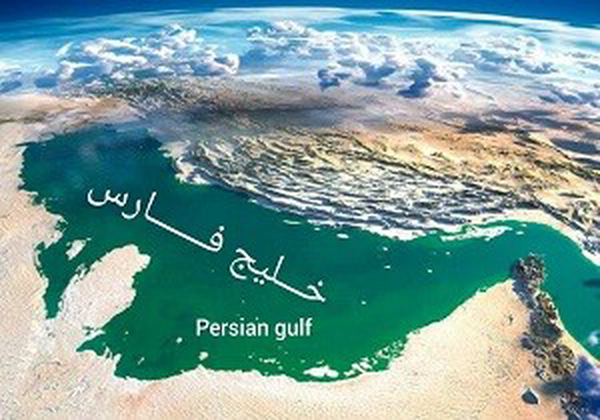
The Strait of Hormuz is one of the most important and sensitive maritime passages in the world. It connects the Persian Gulf to the Gulf of Oman and the Indian Ocean and plays a vital role in global trade, especially in energy transportation.
1. The Main Artery of Global Oil Transport
The most important reason for the strategic importance of the Strait of Hormuz is that about one-fifth of the world’s oil consumption passes through this route.
Oil from Persian Gulf producing countries such as:
- Iran
- Iraq
- Kuwait
- Saudi Arabia
- United Arab Emirates
must pass through this strait to reach global markets in Asia, Europe, and the United States.
If this route is disrupted, global oil prices would rise sharply, and the world economy would be significantly affected.
2. Extremely Narrow Geographic Position
The strait is about 33 kilometers wide at its narrowest point.
The actual shipping lanes are even narrower, with only a few kilometers for inbound traffic and a few kilometers for outbound traffic.
This narrowness means that any control or threat in this area can have a major global impact.
3. Military and Security Importance
This region is one of the most heavily militarized waterways in the world, with:
The presence of the Iranian Navy
The presence of U.S. naval forces and some Western countries
Military bases around the region
Any political tension in the Persian Gulf can directly affect the security of this strait.
4. Direct Impact on the Global Economy
Major countries such as:
China
Japan
India
European countries
depend on energy supplies that pass through this route. For this reason, the security of the Strait of Hormuz is not only a regional issue but a global one.
Which Country Manages and Has Sovereignty Over the Strait of Hormuz?
The management and sovereignty of the Strait of Hormuz are shared between Iran and Oman.
Why Is It Shared?
The Strait of Hormuz lies between the southern coast of Iran and the northern coast of Oman. Therefore:
- The northern part of the strait is within Iranian territory.
- The southern part is within Omani territory.
- Under international maritime law, each country has territorial waters extending up to 12 nautical miles from its coastline. Because the strait is relatively narrow, the territorial waters of Iran and Oman meet in this area.
Does One Country Control It Alone?
No.
The Strait of Hormuz is considered an international waterway. According to the Law of the Sea conventions:
- Commercial ships and oil tankers have the right of transit passage.
- No single country has full ownership or complete control over the entire strait.
- However, in terms of territorial sovereignty, control over the coastlines and surrounding territorial waters belongs to Iran and Oman.
Why Is It Called the “Persian Gulf”?
The name “Persian Gulf” has historical, geographical, and documented roots and has been officially recorded in global sources for centuries.
1. Roots in Ancient History
Since the time of the Achaemenid Empire, the land of Iran was known as “Pars.” Ancient Greeks referred to this body of water as:
Sinus Persicus (Persian Gulf)
For example, the Greek geographer Strabo and Ptolemy used names related to “Pars” in their works.
2. Recorded on World Maps
In medieval and later European maps, this region was consistently labeled as:
Persian Gulf
This name has also been used in official international documents.
3. Recognition by International Organizations
In official documents of global organizations, including the United Nations, the official name used is “Persian Gulf.”
4. Geographical Reason for the Name
In the past, many seas and gulfs were named after the dominant coastal power or civilization. Since the Persian (ancient Iranian) civilization was the strongest along the northern coast of this waterway, the gulf was named after it.
Regional Countries with Military Bases in the Persian Gulf
Iran
Has multiple military bases along the northern coast of the Persian Gulf and on its southern islands.
Key military islands: Qeshm Island, Abu Musa Island, Kish Island.
Oman
Limited bases and partial control along the southern coast of the Strait of Hormuz.
Saudi Arabia
Bases in the eastern part of the country, near coastal cities along the Persian Gulf.
United Arab Emirates
Air and naval bases along the Persian Gulf coast.
Qatar
A joint airbase with the United States.
Presence of Extra-Regional Countries
United States
Fifth Fleet in Bahrain
Airbases in Bahrain and Qatar
United Kingdom
Naval presence in the Persian Gulf and maritime security forces
France
Warships and military support operations in the Persian Gulf
India
Limited presence for naval exercises and energy security
Important Note
These bases are primarily for securing energy routes and shipping lanes. The Persian Gulf is an international waterway, so foreign military presence has always been controversial and a source of tension.
Frequently Asked Questions
Why is it called the “Persian Gulf”?
It is a historical name, recorded on maps and documents for over 2,000 years.
Is there any dispute about its name?
Some countries use the name “Arabian Gulf,” but the official international name is “Persian Gulf.”
Why is the Persian Gulf important to the world?
About one-fifth of the world’s oil passes through this route.
Which countries control the oil and the Strait of Hormuz?
Iran and Oman have coastal sovereignty, but the oil passage itself is international.
Is the region dangerous?
Occasionally, due to political and military tensions, the security situation can fluctuate.
Which countries have military bases there?
Iran, Oman, Saudi Arabia, UAE, Qatar, and extra-regional countries such as the United States and the United Kingdom.
How large is the Persian Gulf?
About 990 kilometers long and 55 to 370 kilometers wide.
Why is its water so blue?
Because it is shallow, has a light sandy bottom, and warm water.
What are its important islands?
Kish, Qeshm, Hormuz, and Abu Musa in Iran.
What is the condition of coral reefs and marine life?
Biodiversity is high, but some areas are threatened by pollution.
Is the water getting warmer?
Yes, climate change and human activity have affected the temperature and salinity of the water.





A really good blog and me back again.