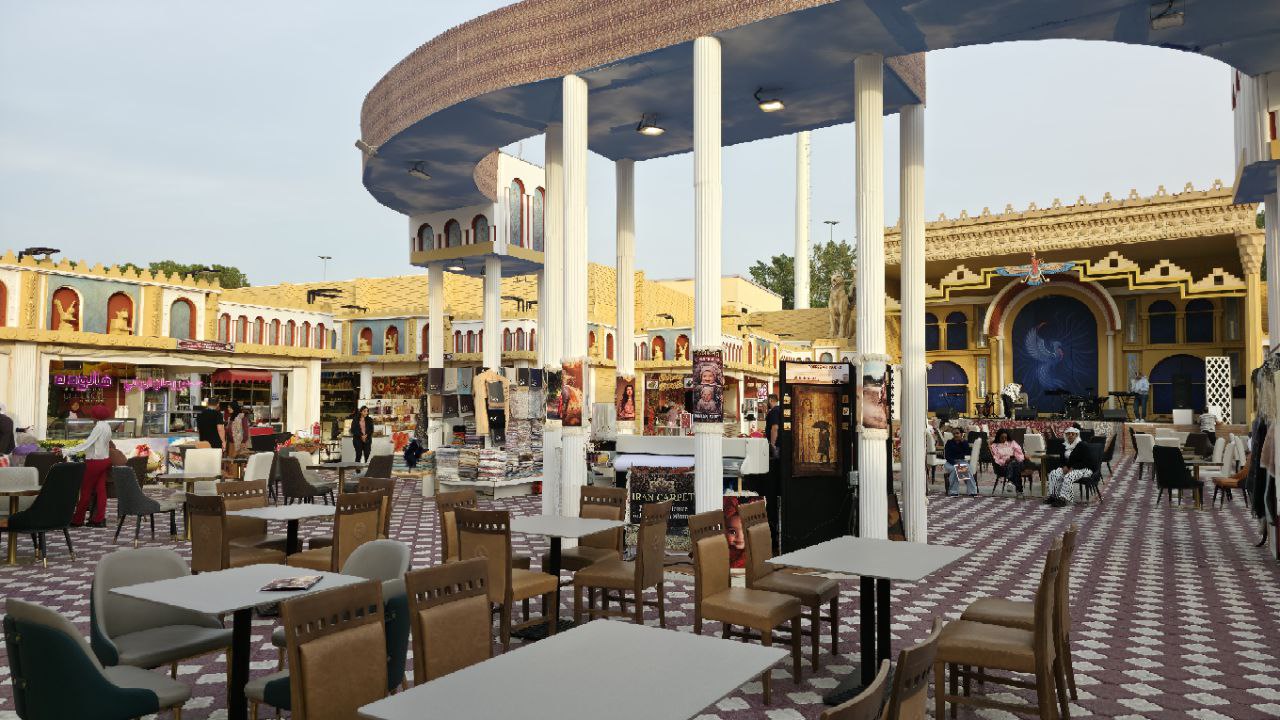
Iran Pavilion Dubai: An Inside Look with Our Exclusive 2026 Photos
Welcome to Gulf City Pedia! Having visited the Iran Pavilion in Dubai for several years in a row, I can tell you it’s one of those places that never loses its magic. Whether you’re a local or a tourist in 2026, there’s a specific vibe here—a mix of ancient history and the smell of toasted saffron—that you just won’t find anywhere else in the city.
Here is your exclusive, insider look at what makes the Iran Pavilion a must-visit this season.
Stepping into Persepolis: The Ancient Vibes
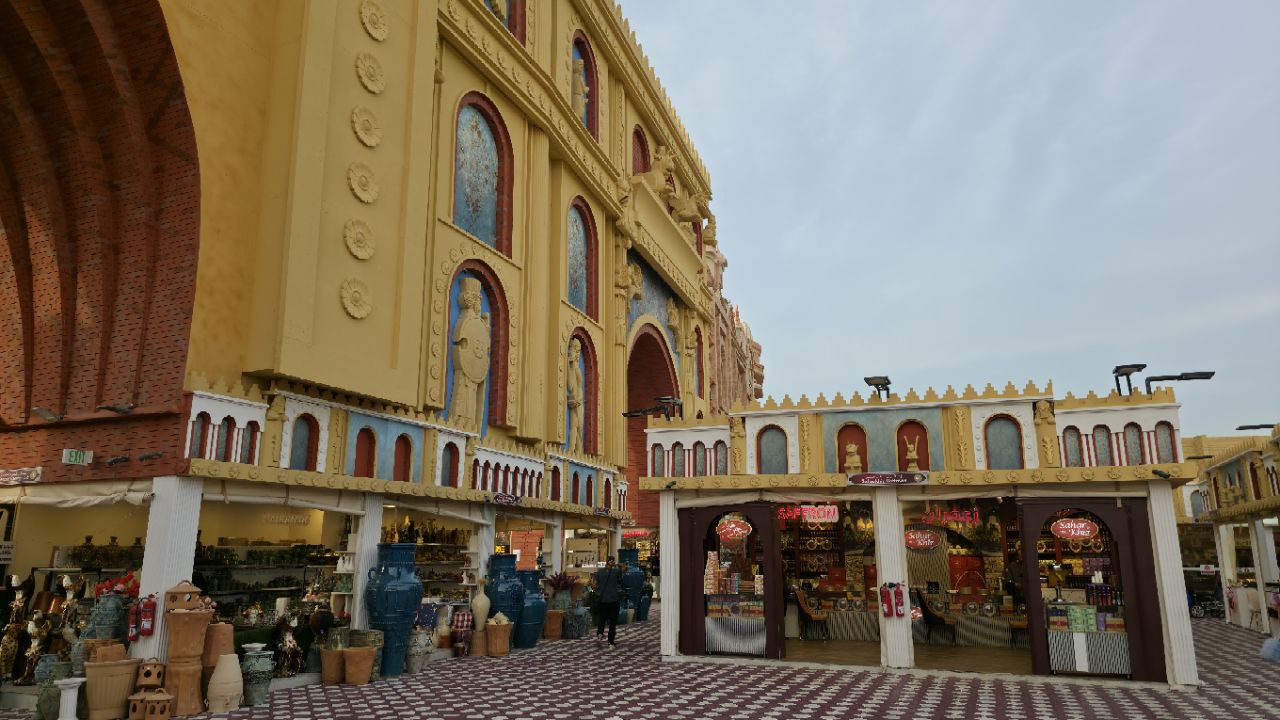
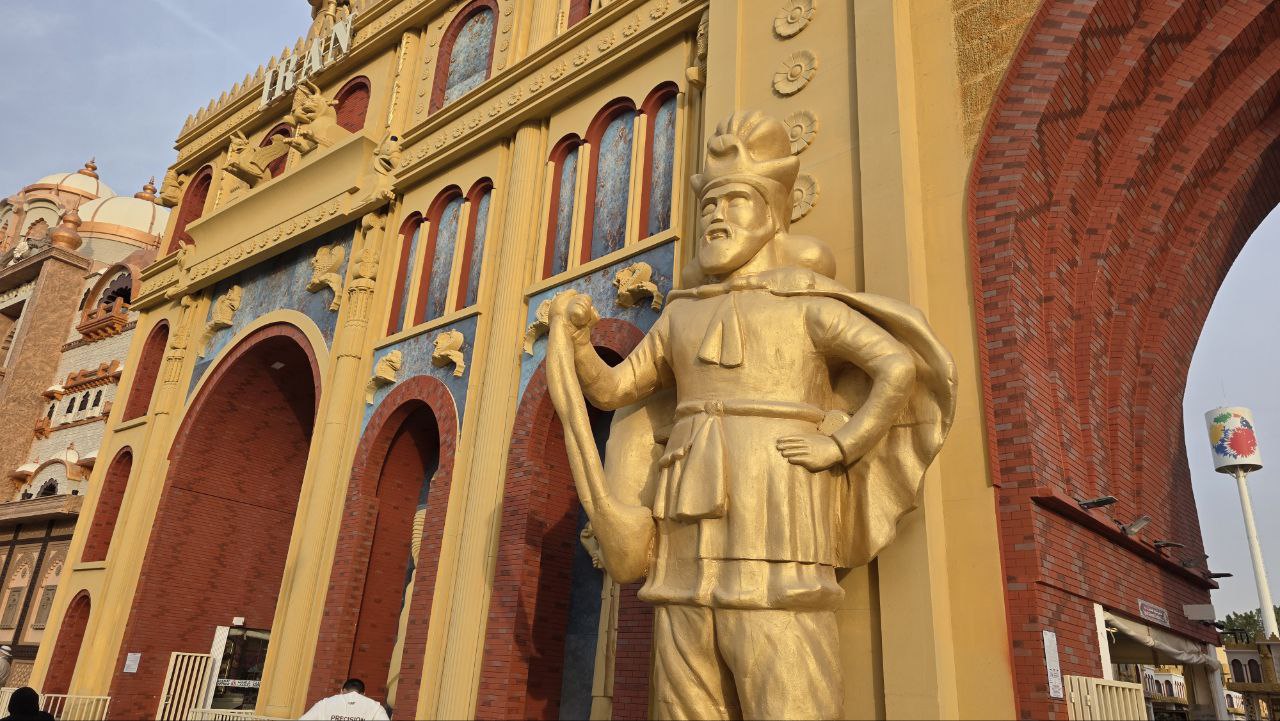
Walking through the entrance of the Iran Pavilion feels like a literal time-travel trip back to the Achaemenid Empire. The massive columns and stone-carved figures are inspired by Ancient Persia, and they’ve done a killer job making it feel grand and authentic for 2026.
I’ve noticed that most people stop just to take a selfie at the gate, but the real detail is in the brickwork and the lighting. It’s not just a building; it’s a tribute to history that sets the mood before you even see the first shop.
The Scent of “Red Gold”: Saffron and Spices
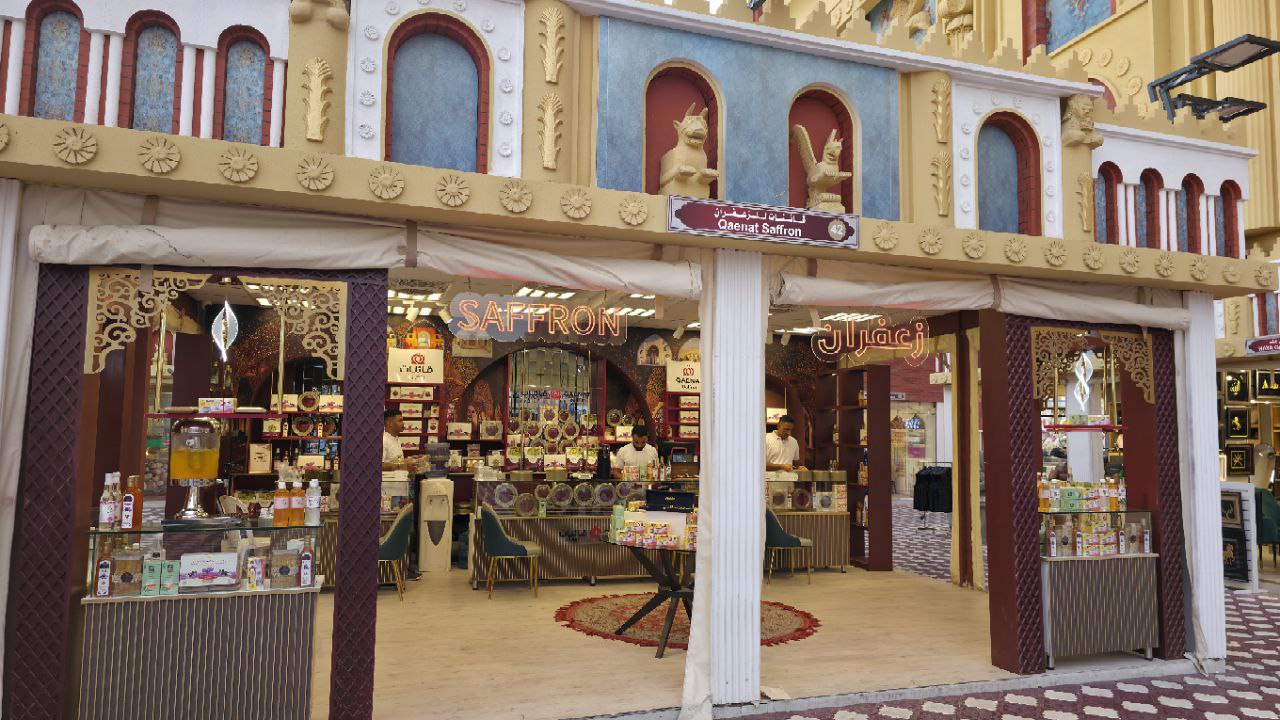
The first thing that hits you isn’t the sight, but the smell—the rich, earthy aroma of authentic Iranian saffron. You’ll find small stalls packed with glass jars of “Red Gold,” and if you’re like me, you’ll end up buying a gram or two because the quality here is 100% better than your average supermarket.
Beyond saffron, these vendors offer premium pistachios and dried barberries. I saw one shop offering a “2026 Special Blend” of tea spices that literally everyone was lining up for; it’s a sensory experience that defines the whole pavilion.
The Living Legend: The Lady with the Canvas
One of my favorite things about this pavilion is its consistency, specifically the resident female artist. I have been coming here for several years, and every single time, she is there—peacefully working on a new masterpiece right in front of your eyes.
Her paintings usually feature intricate Persian patterns or landscapes, and watching her hand move with such precision is hypnotic. You can actually buy her finished pieces right off the easel, which makes for a much more meaningful souvenir than a mass-produced keychain.
Woven Art: The World of Persian Carpets
You can’t talk about Iran without mentioning the carpets, and the shops inside this pavilion are like mini-museums. From massive silk rugs that cost a small fortune to small, affordable “kilims,” the variety is staggering, with over 50 different traditional patterns on display.
The shopkeepers are usually super friendly and will spend 20 minutes explaining the difference between a Tabriz and a Kashan design. Even if you aren’t in the market for a rug, just feeling the texture of the hand-knotted silk is worth the visit.
Home Decor You Won’t Find at IKEA
If you’re looking to spice up your living room, the decorative stalls here are a gold mine of “Minakari” (enamel work) and “Khatamkari” (marquetry). I found these tiny, hand-painted jewelry boxes that looked like they belonged in a palace.
The detail on these items is insane; we’re talking about thousands of tiny wooden or metal pieces fitted together. It’s the kind of craftsmanship that makes you realize why Persian art has been famous for over 2,500 years.
The Nostalgia Hit: Pofak and Iranian Snacks
Now, for the “real” experience: you have to find the snack corner. They sell Pofak (the legendary Iranian orange cheese puffs) and other nostalgic treats that take you straight back to a childhood in Tehran.
It’s hilarious seeing people walk around in fancy clothes while munching on a bag of Pofak. Besides the chips, they have sour fruit leathers (Lavashak) that are so tangy they’ll make your eyes water—but trust me, you’ll keep going back for more.
Rhythm and Soul: Folk Music Every 30 Minutes
One of the best upgrades in 2026 is the performance schedule. Every 30 minutes, the central area comes alive with live folk music and traditional dancing from different regions of Iran.
The energy is infectious; you’ll see dancers in colorful, layered costumes performing synchronized moves to the sound of the ‘Tar’ and ‘Daf.’ It’s a 10-minute burst of joy that usually ends with half the audience clapping along or joining in.
Why 2026 is the Year of Experience
This year, the pavilion feels more interactive than ever before. It’s not just about looking at things behind a glass case; it’s about tasting the saffron ice cream, touching the silk, and talking to the artisans.
The “insider” feel is stronger because the pavilion has leaned into its community roots. You feel less like a “customer” and more like a guest in a very large, very beautiful Iranian home.
An Inside Look with Our Exclusive 2026 Photos
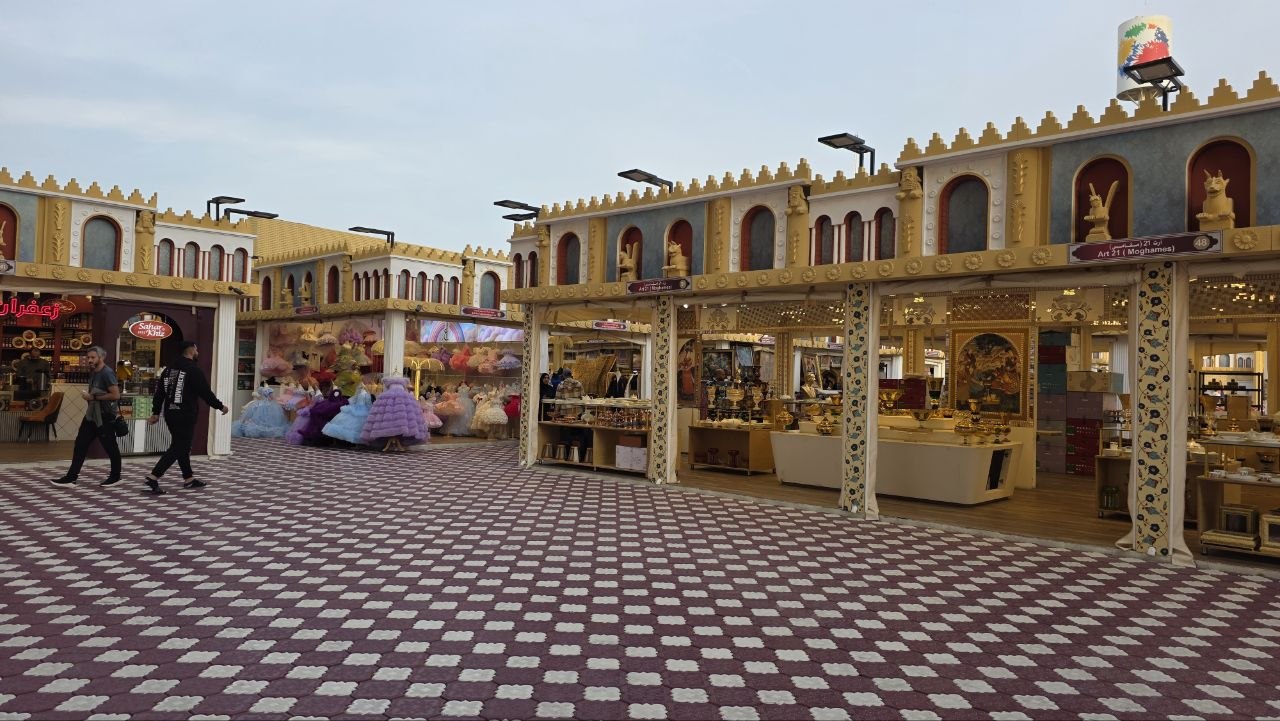
Summary & Final Thoughts
The Iran Pavilion in Dubai remains a crown jewel for anyone wanting a taste of real culture without leaving the UAE. From the ancient stone pillars to the crunch of a Pofak, it hits every sense perfectly.
Don’t just walk through the main aisles! The best deals on saffron and the most unique handmade decor are usually tucked away in the smaller, “back-alley” stalls inside the pavilion. Also, try to time your visit for the top of the hour (e.g., 7:00 PM or 8:00 PM) to catch the full dance performance when the energy is at its peak!