History of the Persian Gulf : Past, Importance, and Global Role
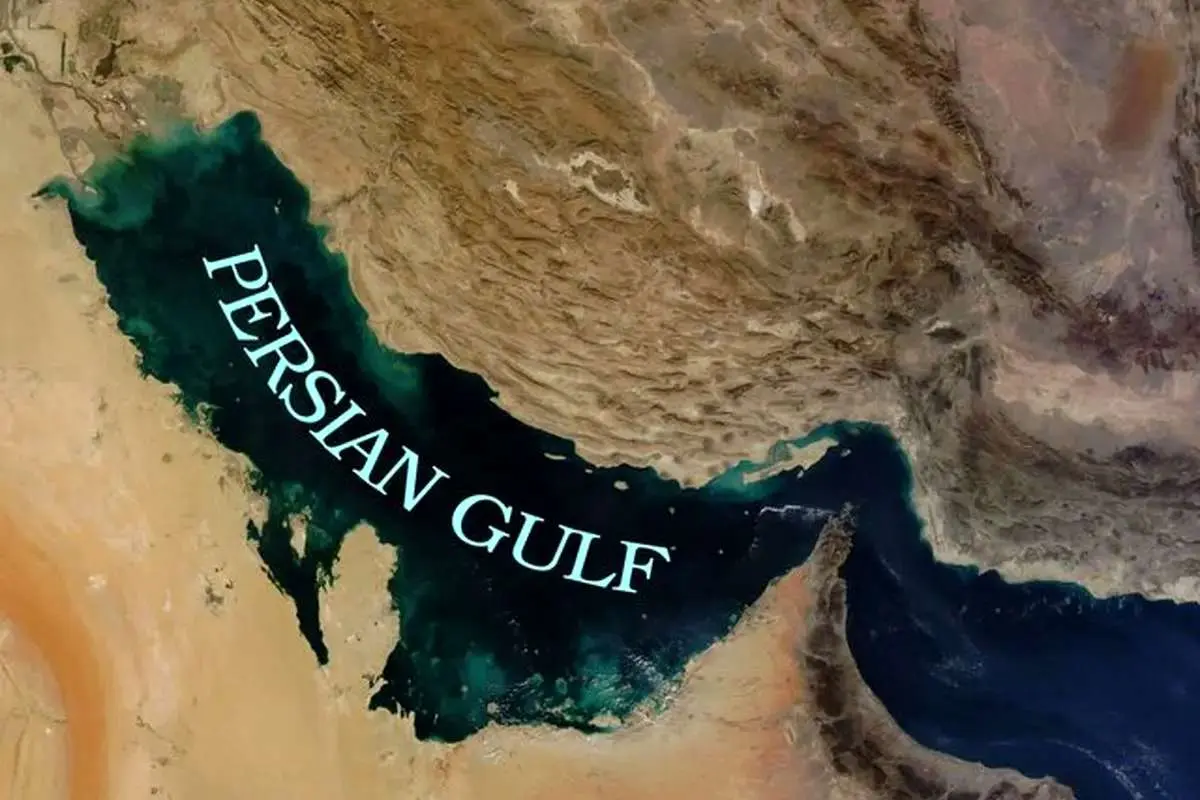
The Persian Gulf, this strategic and historic waterway, has always been one of the world’s most important regions in terms of trade, culture, and politics. This gulf is significant not only for its oil resources but also as a bridge between East and West, playing a crucial role in economic and cultural exchanges.
Historical Background
The Persian Gulf has attracted various civilizations since ancient times. Archaeological evidence shows that major settlements emerged along its shores over 5,000 years ago. Great empires such as the Elamites, Persians, and Arabs used this region for maritime trade.
Achaemenid and Sassanian Eras
During the Achaemenid era, the Persian Gulf was recognized as a strategic route for trade between India, Africa, and the Eastern Mediterranean. In the Sassanian period, major ports such as Bushehr and Bandar Abbas became important commercial and military centers.
Middle Ages to Modern Era
During the Islamic era and the Middle Ages, the Persian Gulf played a significant role in the trade of spices and precious goods. In the Qajar and Pahlavi periods, European powers, especially Britain and the Netherlands, established trade and military bases in the region, aiming to control the maritime routes.
Economic and Strategic Importance
The Persian Gulf is one of the world’s key regions due to its vast oil and gas reserves. More than 40% of the world’s oil exports pass through this gulf. Additionally, the Strait of Hormuz, as a vital passageway, plays a crucial role in international trade.
Culture and Local Communities
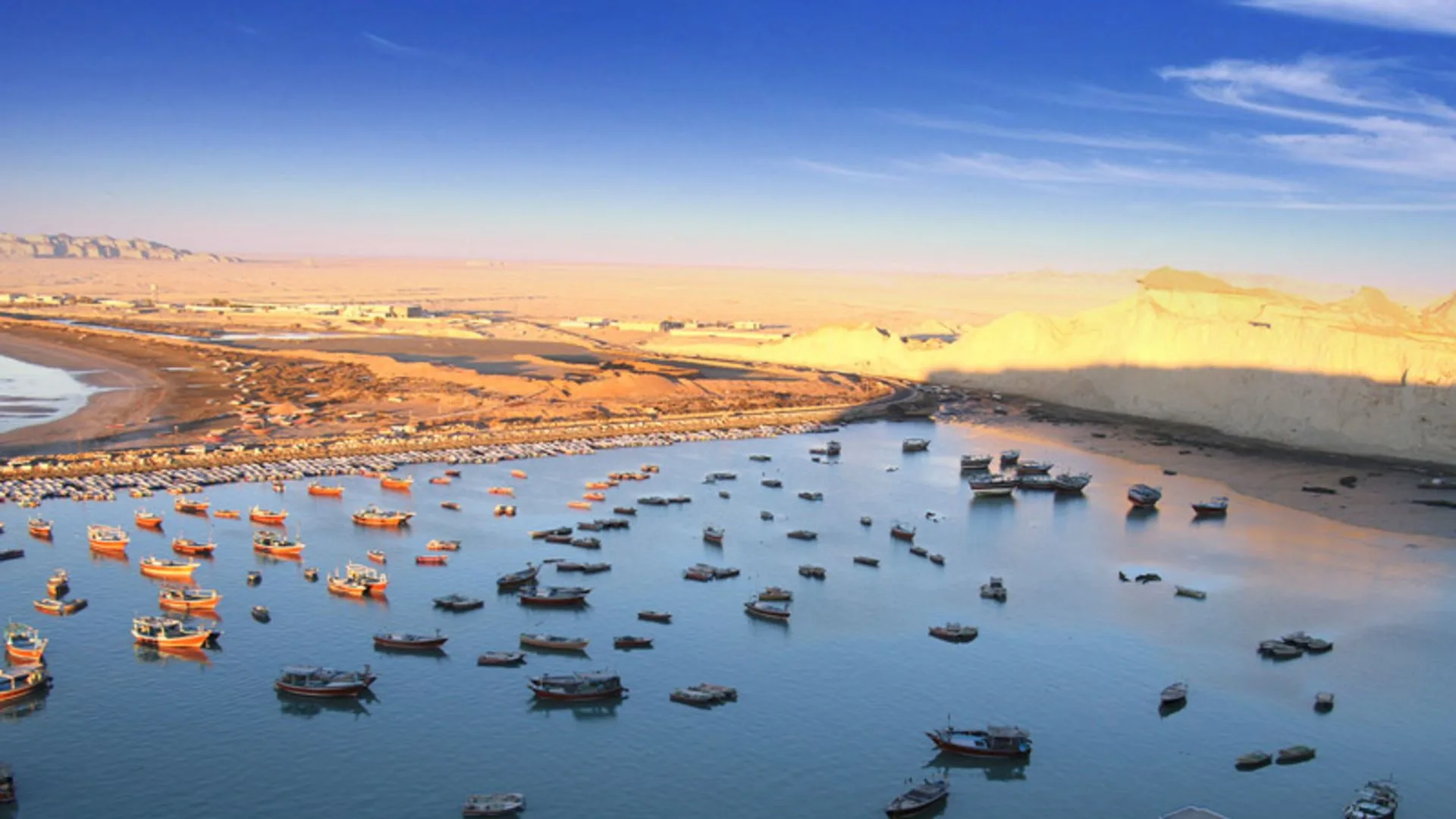
The inhabitants of the Persian Gulf, including Iranians, Arabs, and Baluchis, have rich and diverse cultures. The region’s music, cuisine, architecture, and handicrafts reflect its multi-thousand-year history.
Frequently Asked Questions (FAQ)
Question: Why is it called the “Persian Gulf”?
Answer: It is a historical name that has been documented on maps and records for over 2,000 years.
Question: Which countries border the Persian Gulf?
Answer: Iran, Saudi Arabia, Kuwait, Iraq, Qatar, Bahrain, the United Arab Emirates, and Oman.
Question: Is the Persian Gulf a source of oil?
Answer: Yes, it is home to some of the largest oil and gas reserves in the world.
Question: What is the significance of the Strait of Hormuz?
Answer: The Strait of Hormuz is the only passage for oil tankers to the Indian Ocean and one of the world’s most important maritime routes.
Question: Which civilizations have lived in the Persian Gulf region?
Answer: Ancient civilizations like the Elamites, Achaemenids, Sassanids, as well as Arab and Baluchi communities, have inhabited the region.
Persian Gulf Explained: History, Islands, and Global Importance
Conclusion
The Persian Gulf is recognized not only as a vital economic passage but also as a cultural and historical symbol for Iran and the world. Understanding its history and significance helps us appreciate the true value of this strategic region.