Sorkheh Deh in Jaban, Damavand: Is It Worth Visiting Near Tehran?
If you find yourself stuck in Tehran’s heavy traffic and smog, dreaming of green valleys, cool mountain air, and the sound of flowing water, you do not actually need to drive for days. Just a short drive east of the capital brings you to Damavand, a region famous for its orchards, pleasant weather, and stunning landscapes. Hidden within this region is a peaceful gem known as Sorkheh Deh in Jaban.
Many travelers focus only on major tourist hubs, completely missing out on these smaller, authentic rural communities. Sorkheh Deh offers a genuine slice of Iranian village life blended with pristine natural beauty. Taking a break from urban stress to experience local village life can completely refresh your travel perspective. In this guide, we will explore everything you need to know about Sorkheh Deh, what to expect, and whether it deserves a spot on your travel itinerary.
Where Is Sorkheh Deh and How Do You Get There?
Understanding the Geography of Jaban
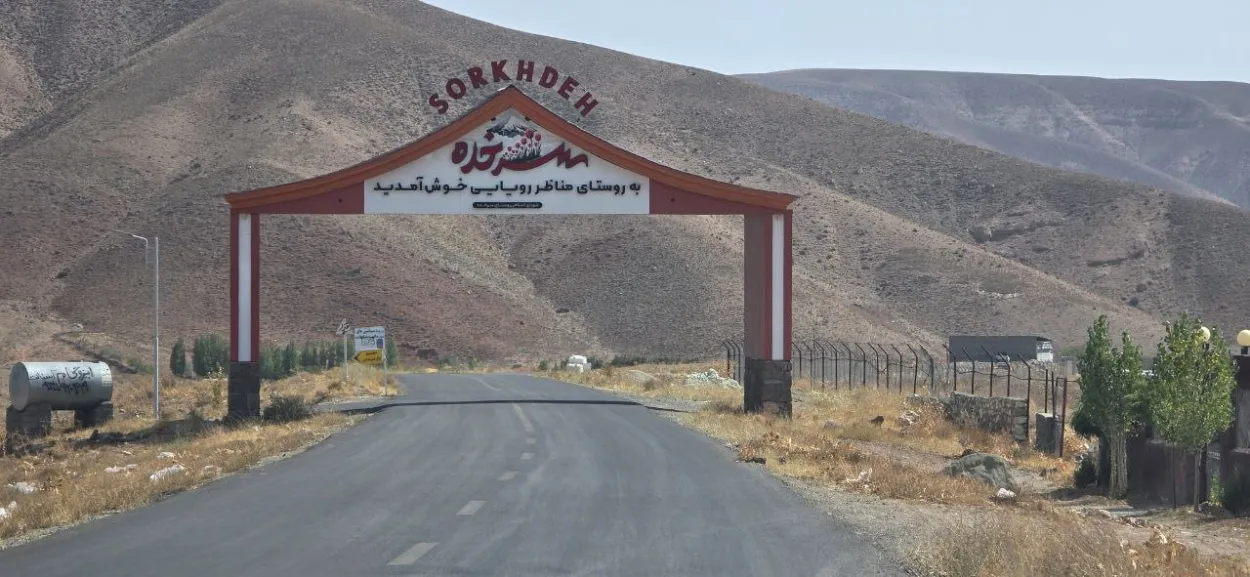
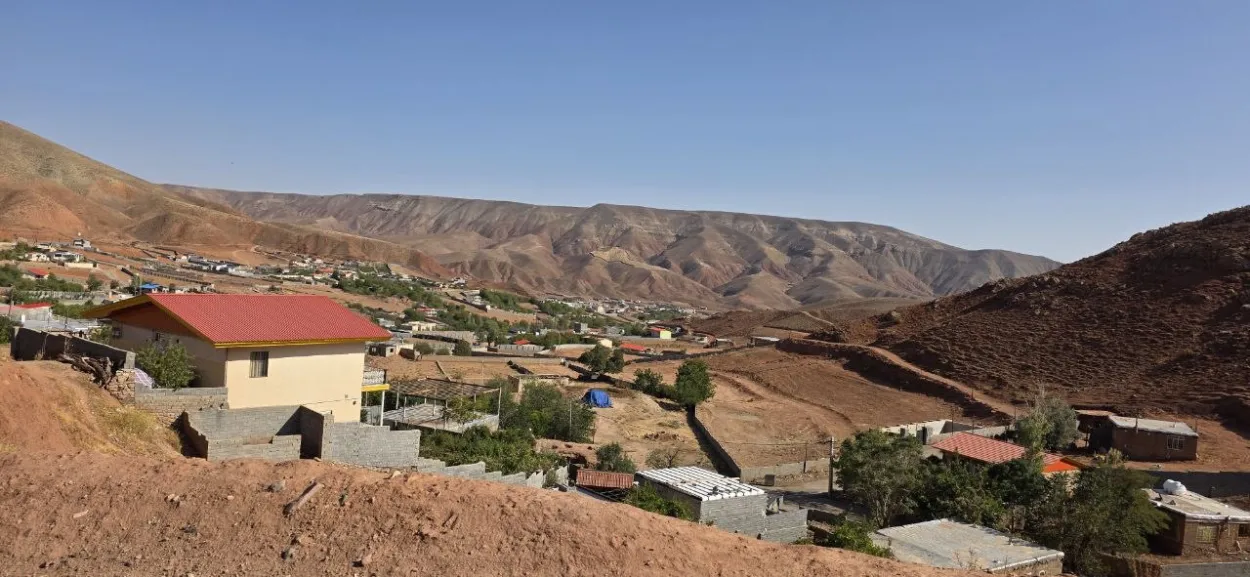
Jaban is a well-known rural district located in the Damavand County, roughly 60 to 70 kilometers east of Tehran. Sorkheh Deh is a picturesque pocket within this wider area, nestled against the foothills of the Alborz mountain range. The region is famous for its dramatic elevation changes, which keep summers mild and winters crisp.
When you leave Tehran via the Tehran-Pardis highway and continue toward Firuzkuh, the chaotic concrete landscape gradually gives way to rugged mountains and vast open skies. Knowing the exact route helps you avoid confusion since local rural roads can sometimes lack clear English signage.
Transportation Options for International Visitors
Getting to Sorkheh Deh from Tehran requires some planning because public buses do not drop you off directly inside the village. You have a couple of reliable ways to make the trip:
-
Hiring a Private Taxi or Driver: This is the most convenient option for international tourists. You can hire a driver in Tehran for a day trip who will wait for you and bring you back safely.
-
Renting a Car: If you feel comfortable driving on Iranian roads, renting a car gives you total freedom to stop at roadside fruit stands and scenic viewpoints along the way. Always download an offline map application before heading out, as mobile internet signals can occasionally drop in deep mountain valleys.
What Makes Sorkheh Deh Worth Visiting?
Unspoiled Nature and Scenic Landscapes
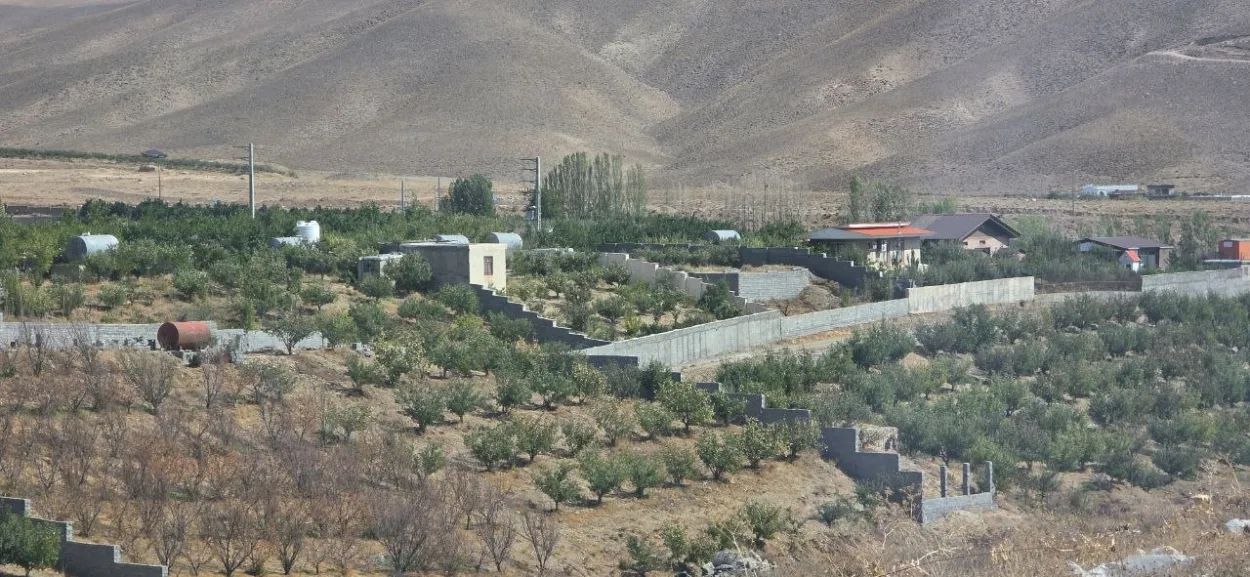
Unlike crowded commercial tourist towns that are packed with souvenir shops and resorts, Sorkheh Deh remains remarkably peaceful. The village is surrounded by terraced farmlands, towering walnut trees, and seasonal streams that flow down from the mountains. If you love photography, the play of morning light across the rugged Alborz peaks provides incredible framing opportunities.
Imagine walking down a quiet dirt path lined by old stone walls, with the sound of rustling leaves and birds chirping replacing the endless honking of city cars. This level of tranquility is extremely rare to find so close to a major metropolitan city like Tehran.
Rich Local Agriculture and Seasonal Fruits
Damavand is widely celebrated across Iran for producing some of the country’s best fruits, and Sorkheh Deh is no exception. Depending on the exact month you visit, you will encounter heavy branches loaded with apples, cherries, walnuts, and peaches.
-
Springtime Blooms: Visiting in April and May means witnessing the valley come alive with delicate white and pink blossoms.
-
Autumn Harvest: Visiting in September and October offers a vibrant golden landscape where locals actively harvest their crops.
Buying fresh fruit directly from local farmers is not only a great way to support the local economy, but it also treats your taste buds to flavors you will never find in standard supermarkets.
Experiencing Local Culture and Daily Life
Slow-Paced Rural Living
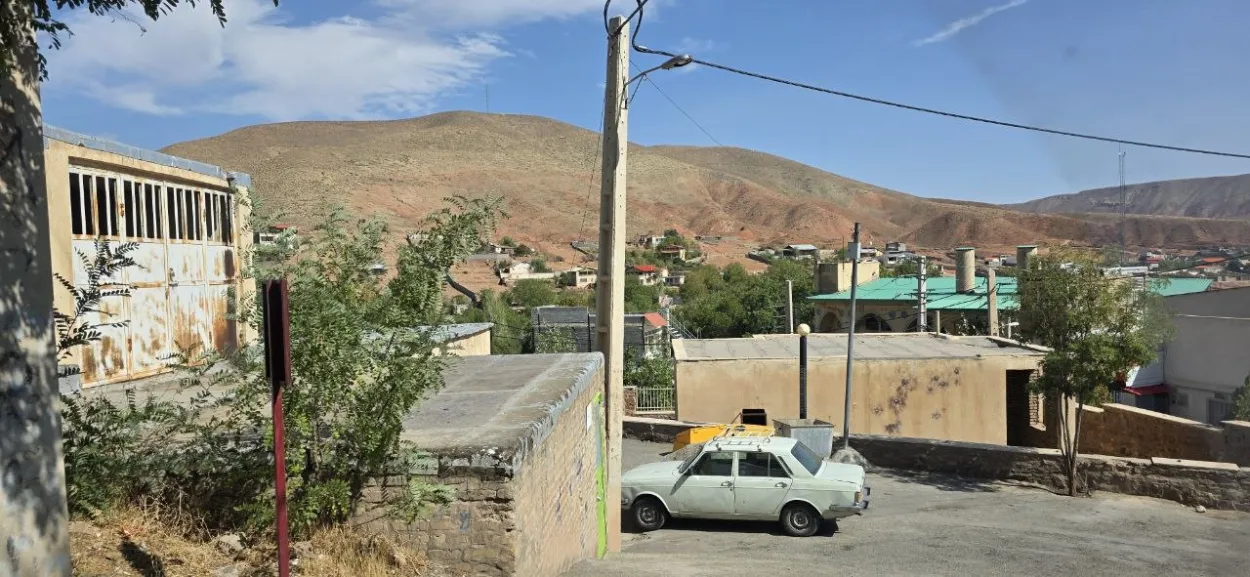
Traveling to a place like Sorkheh Deh allows you to step back in time and witness a lifestyle that has remained largely unchanged for generations. Traditional mud-brick architecture stands side-by-side with modern houses, telling the story of a community evolving at its own pace. Observing daily rural routines gives international visitors a much deeper understanding of Iranian culture beyond bustling city bazaars.
Locals in these regions are generally very warm, curious, and welcoming toward foreign guests. Even if language barriers exist, a friendly smile and a polite greeting go a long way in starting a positive interaction.
Traditional Food and Local Hospitality
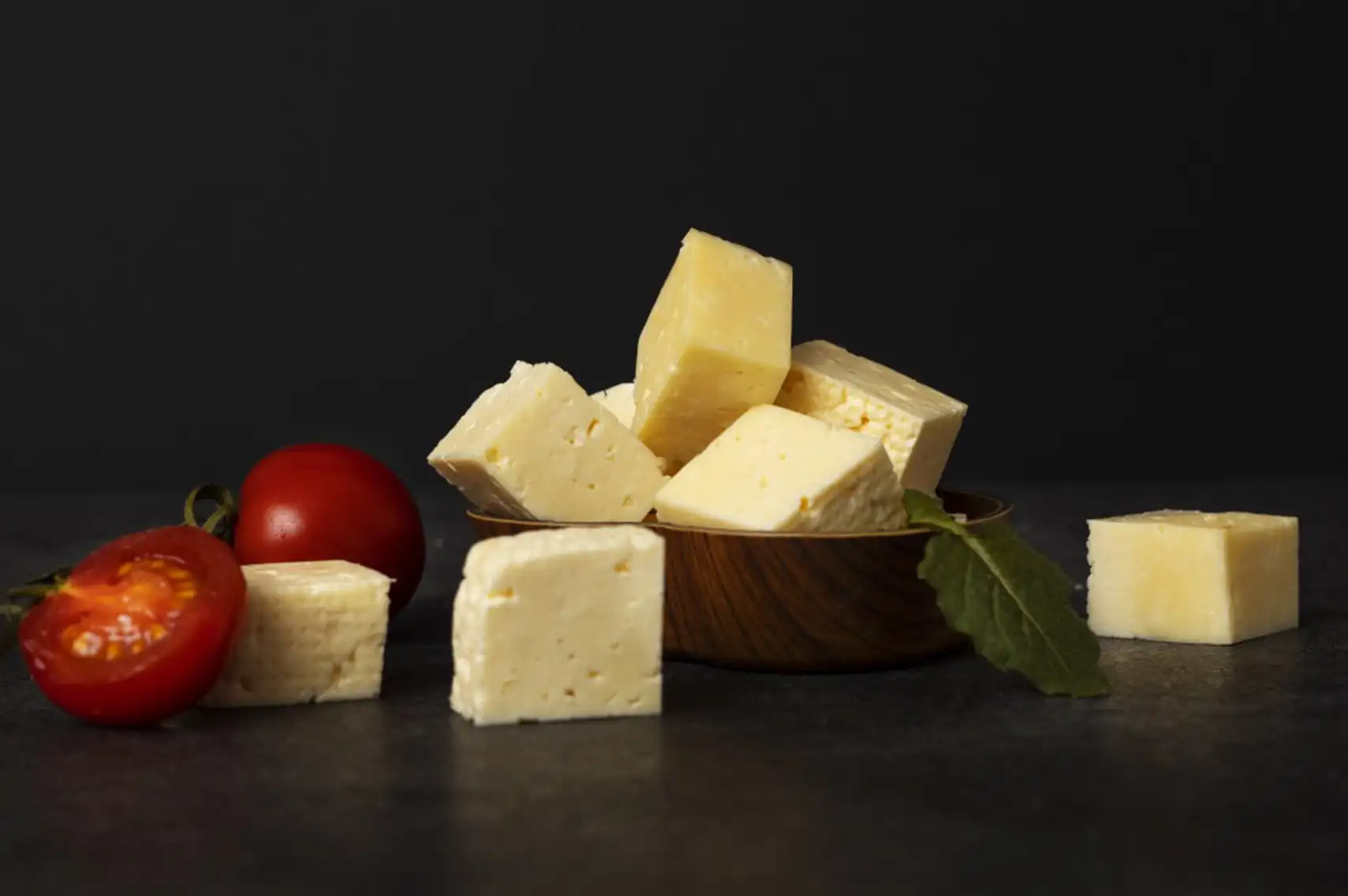
While you will not find luxury restaurants or international fast-food chains in Sorkheh Deh, the true charm lies in simplicity. Many travelers pack a picnic basket with fresh bread, local cheese, tomatoes, and cucumbers to enjoy under the shade of a massive willow tree by a stream. Sharing a simple meal outdoors surrounded by mountain air often turns out to be the most memorable part of the trip.
Practical Tips for Your Day Trip
Best Times of the Year to Visit
Timing your visit correctly makes all the difference in how much you enjoy the experience:
-
Late Spring (May to June): Perfect weather, green grass everywhere, and comfortable daytime temperatures.
-
Summer (July to August): A fantastic escape from Tehran’s intense heat, though weekends can see increased traffic from local weekenders.
-
Autumn (September to October): Breathtaking foliage colors and harvest season activities.
Winter visits are only recommended for experienced winter drivers, as heavy snowfall can make rural roads challenging to navigate.
Essential Items to Pack
Because Sorkheh Deh is a rural destination with limited commercial facilities, you should pack your day bag wisely:
-
Comfortable Walking Shoes: Sturdy sneakers or hiking boots are essential for exploring uneven dirt roads and orchard paths.
-
Sun Protection: High-altitude sun can be surprisingly strong, so bring sunglasses, a hat, and sunscreen.
-
Cash and Supplies: Bring enough Iranian Rial for minor purchases, as card readers are generally not available at small local stalls. Always carry a reusable water bottle and trash bag to keep the pristine natural environment clean.
Common Mistakes to Avoid When Visiting
Treating Villages Like Theme Parks
It is easy to forget that places like Sorkheh Deh are actual homes and workplaces for local residents, not museums set up for tourists. Always ask for permission before taking close-up photos of farmers working in their fields or private residential courtyards. Respecting local privacy ensures that residents continue to welcome travelers warmly in the future.
Underestimating Mountain Weather
Weather conditions in the Alborz foothills can change rapidly. A warm, sunny morning can turn into a chilly, windy afternoon in a matter of hours. Always keep a light jacket or fleece layer in your daypack, even if the weather in Tehran feels scorching hot when you leave.
Summary and Next Steps
If you are looking for an authentic escape that takes you far beyond the usual tourist trail, Sorkheh Deh in Jaban, Damavand is well worth visiting. It combines breathtaking mountain scenery, rich agricultural traditions, and profound peace, all within an easy driving distance from Tehran.
Are you ready to swap city horns for mountain streams on your next free day in Iran? Plan your private transport, pack your camera, and discover a refreshing side of the country that most tourists never get to see.
Frequently Asked Questions (FAQ)
Is Sorkheh Deh safe for foreign tourists?
Yes, the region is extremely safe and peaceful. Local residents are generally very hospitable and respectful toward international visitors.
How long does it take to drive there from Tehran?
Depending on traffic conditions and your exact starting point in Tehran, the drive usually takes between 1.5 to 2 hours.
Are there hotels or guesthouses directly in Sorkheh Deh?
There are no major hotels or commercial resorts inside Sorkheh Deh. Most travelers visit on a day trip from Tehran or stay in boutique eco-lodges located in the wider Damavand region.
Can I visit Sorkheh Deh using public transportation?
Public buses run along the main Firuzkuh highway near Jaban, but you will need a taxi or private vehicle to reach the village interior comfortably.