
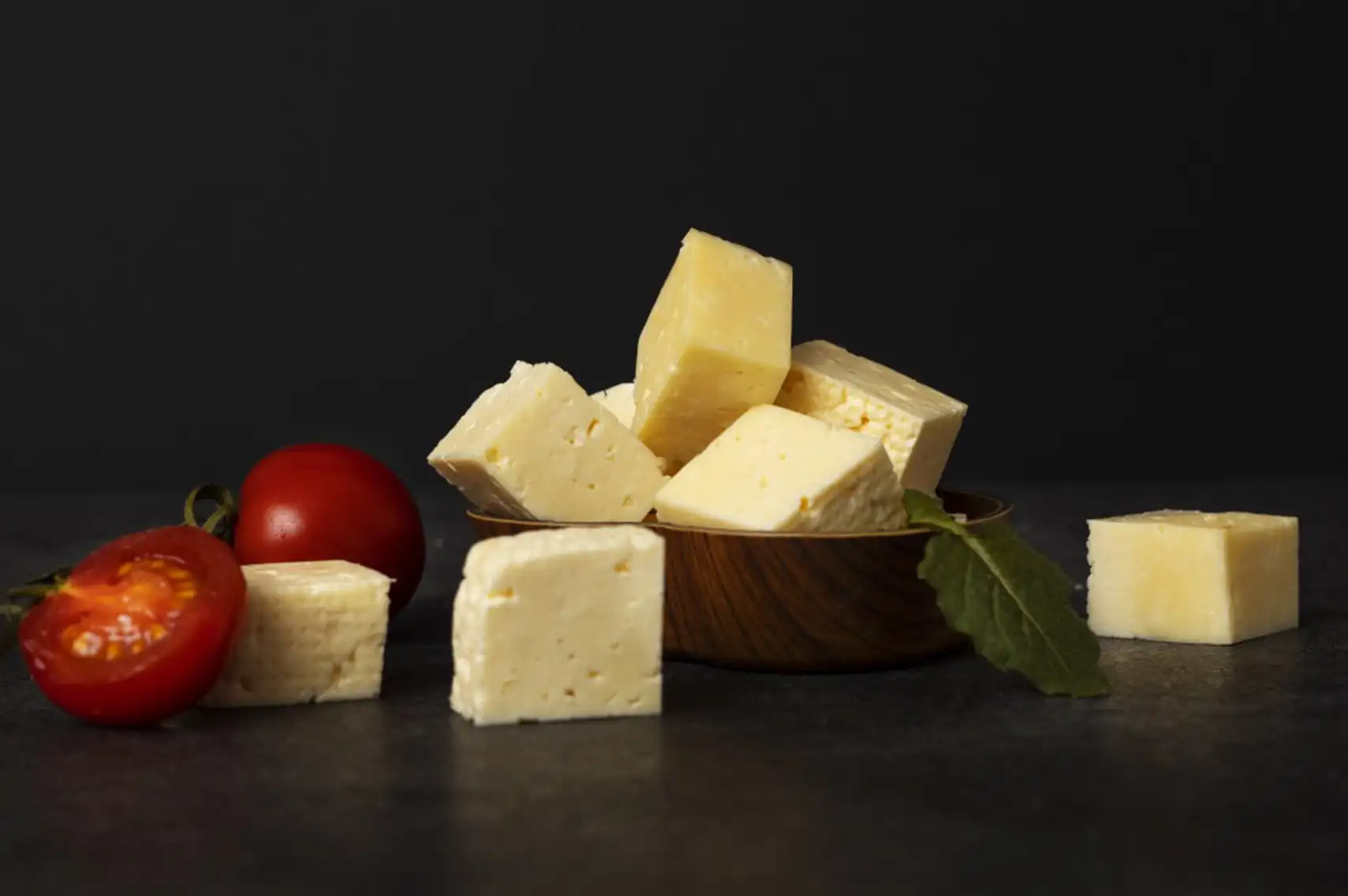
Fresh Cheese vs Aged Cheese!Taste, Texture, and Benefits
Cheese is one of the most useful and flavorful foods in the world, yet its many forms fall broadly into two categories: fresh and aged. Although both begin with similar basic ingredients, milk, cultures, salt, and sometimes rennet, the choices cheesemakers make after curd formation result in very different products. Understanding these differences can help you choose cheeses that suit your taste, cooking style, and dietary needs.
What Defines Fresh Cheese?
Fresh cheese refers to varieties that are made, drained of whey, and eaten without any significant maturation or aging. Because there is no prolonged ripening period, fresh cheeses retain a high level of moisture, a mild flavor, and a soft texture. Common examples include ricotta, mozzarella (in its classic fresh form), cottage cheese, cream cheese, mascarpone, burrata, and paneer. Fresh cheeses typically remain white or pale in color and lack a rind. They are highly perishable and usually need to be consumed within days to a couple of weeks after production.
Taste and Texture of Fresh Cheeses
The taste of fresh cheese is generally described as mild, milky, and lightly tangy. It lacks the sharpness, depth, or complexity that aging produces because it has not undergone extensive enzymatic and microbial transformations. The flavor is closely tied to the quality of the milk and the simple handling during production.
Texturally, fresh cheeses exhibit a wide range due to differences in moisture and processing:
- Some are creamy and spreadable, like cream cheese or mascarpone.
- Others are soft but cohesive, like fresh mozzarella with its elastic but tender structure.
- Some have a fluffy, curdled texture like ricotta or cottage cheese.

These textural attributes make fresh cheeses ideal for applications where smoothness and subtle flavor are desired, such as in salads, spreads, desserts, or gently heated dishes.
Nutritional Characteristics of Fresh Cheeses
Fresh cheeses generally contain a high percentage of water, often between 70% and 80%, which makes them lower in calories and less dense in nutrients per ounce compared with aged cheeses, and if you want to order cheese, either fresh or aged, you should know the differences. Because they retain more moisture, their protein and mineral concentrations are lower per unit weight, and they often have less sodium. Some fresh varieties also contain beneficial bacteria or probiotics that support digestion and gut health. They are typically easier to digest, especially for people with sensitive stomachs, although they can contain more lactose than aged cheeses because lactose has not been broken down during the aging process.
Fresh cheeses are good sources of calcium, high-quality protein, phosphorus, and vitamins such as B12 and riboflavin. Because they often have lower fat content than many aged cheeses, they can be incorporated into lighter meal plans without adding as many calories.

What Makes Aged Cheese Different?
Aged cheese, also known as matured cheese, is cheese that has been allowed to ripen under controlled conditions, sometimes for months, years, or even longer. The aging process involves complex biochemical changes driven by bacterial cultures, molds (in specific types), enzymes, and environmental conditions such as humidity and temperature. Typical aged cheeses include Cheddar, Parmesan, Gouda, Gruyère, and many blue-veined cheeses.
Flavor and Texture Evolution
As cheese ages, proteins and fats break down into smaller molecules such as amino acids and fatty acids. This transformation creates a much broader range of flavor profiles compared with fresh cheeses. Young-aged cheeses may have a milder, balanced taste, but the longer a cheese matures, the more intense and complex its flavors become. Common tasting notes in aged cheeses can include nutty, savory, tangy, sweet, and even caramel-like characteristics. Some aged cheeses, such as Parmigiano-Reggiano, develop crystalline structures from protein breakdown that contribute a distinctive texture and concentrated flavor.
Texturally, aged cheeses lose moisture over time, becoming firmer, denser, and sometimes crumbly. Longer aging often produces a dry, firm texture that is ideal for grating or shaving. Wide-leaf varieties are excellent choices for dishes where a concentrated flavor is needed, such as pasta toppings or robust cheese boards.
Nutritional Implications of Aging
During the aging process, moisture evaporates, which concentrates the remaining nutrients such as protein, fat, calcium, and phosphorus. Therefore, aged cheeses often have more nutrients per ounce compared with fresh cheeses. However, they also tend to have higher levels of sodium and saturated fat, which may be a consideration for individuals monitoring these components in their diet.
Another significant change with aging is the reduction in lactose. Bacterial cultures used in aging break down lactose into lactic acid, meaning that many aged cheeses contain very little lactose and may be better tolerated by people with lactose sensitivity. Additionally, certain aged cheeses develop probiotic cultures that contribute to gut health by promoting healthy digestive flora. Some compounds that develop during aging may support overall gut function and even influence immune response, although research in this area is evolving.
Comparing Uses in Cooking and Pairing
Fresh and aged cheeses are not interchangeable in many culinary applications because of their different structural and flavor characteristics. Fresh cheeses, with their high moisture and mild taste, are suitable for dishes that benefit from creamy texture or a subtle dairy presence. They work well in cold dishes, light sauces, and desserts where a neutral creamy component enhances other flavors.
Aged cheeses, on the other hand, contribute bold flavor and robust structure. They are often grated, shaved, or crumbled over dishes to add concentrated taste. Their intense savory qualities can stand up to hearty ingredients like roasted vegetables, grilled meats, and rich sauces.
But Which One is Better?
All of those teams have advantages and disadvantages:
Fresh Cheese Strengths
- Mild, comforting flavor and soft texture.
- Lower in calories and sodium than wide-aged varieties.
- Easier digestion for some people due to the water content and less intense fermentation.
- Versatile in light and fresh dishes.
Aged Cheese Strengths
- Complex, developed flavors with depth and nuance.
- Higher nutrient density per ounce.
- Lower lactose levels are often suitable for lactose-sensitive individuals.
- Ideal texture for grating, shaving, or incorporating where a strong flavor impact is desired.
Both fresh and aged cheeses offer valuable nutritional contributions such as protein, calcium, phosphorus, and vitamins that support bone health, muscle repair, and overall well-being. Choosing between them depends on your taste preferences, dietary needs, and culinary uses. Balancing both types in your diet allows you to enjoy the full spectrum of cheese styles and their distinct sensory experiences.