Conquering Mount Damavand: Timing, Overnight Stays, and the Essential Guide
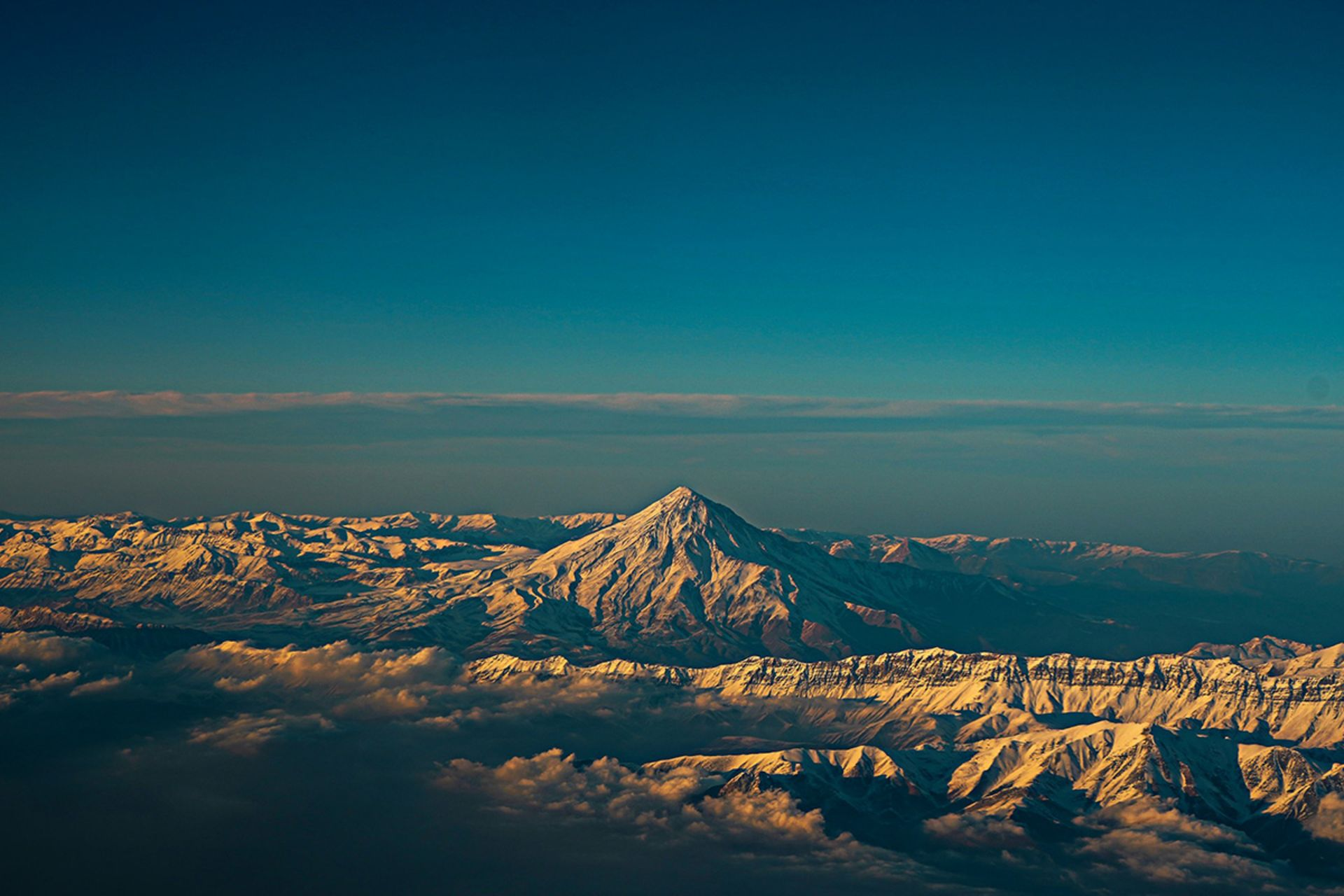
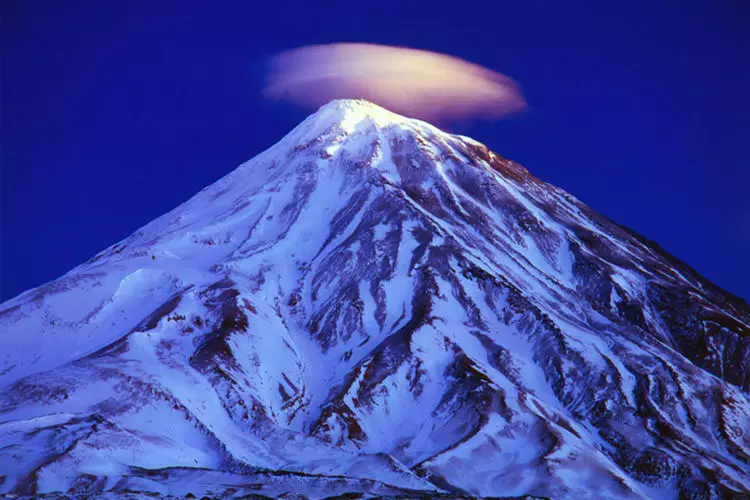
Mount Damavand, at 5,610 meters (18,406 feet), is not only the highest peak in Iran but also a beautiful, dormant volcano and a symbol of national grandeur. Proper planning for climbing this majestic mountain, particularly understanding the correct timing and the crucial role of overnight stays, is vital for success and safety. In direct answer to your question, a standard and safe ascent of Mount Damavand usually takes 2 to 3 days, and yes, it is strongly recommended to stay at least one full night (and preferably two) for proper acclimatization at altitude. This strategy is the key to overcoming Damavand’s main challenge: its high elevation.
1. The 48-Hour Path to the Roof of Iran: The Standard Step-by-Step Climbing Itinerary
The time required for a Damavand ascent highly depends on your physical fitness, weather conditions, and, most importantly, the chosen route. However, the plan below is the most common, safest, and most logical itinerary for average mountaineers, who typically use the South Route (the most popular path). This plan focuses on gradual acclimatization.
Recommended 2 to 3-Day Damavand Ascent Itinerary:
Day 1 (Transfer, Initial Ascent, and Early Acclimatization):
Transfer: Arrive in Polur or Rineh and transfer to the Goosfandsara Base Camp (3,020 m / 9,908 ft) using 4×4 vehicles (pickups or Jeeps).
Starting Point: Goosfandsara (3,020 m).
Destination: Bargha-e Sevom Shelter (4,200 m / 13,780 ft). This is a well-equipped refuge complex offering both lodging in a concrete shelter and tent pitching areas.
Trekking Duration: 3 to 5 hours.
Main Activity: Gentle trekking to the shelter, settling in, absolute rest, and a light dinner. The primary goal of this day is to reach 4,200 meters and begin the acclimatization process.
Overnight Stay (Adapting to Altitude – The Decisive Night):
Location: Bargha-e Sevom (Rest and Acclimatization).
Duration: 1 full night.
Main Activity: This night is essential for acclimatization, allowing the body to adapt to the pressure drop and reduced oxygen levels at 4,200 meters. Adequate sleep at this altitude significantly increases the probability of a successful summit push. It is recommended, if possible, to take a light hike up to 4,500 meters during the day and return to 4,200 meters for sleep (the “Climb High, Sleep Low” strategy).
Day 2 (Summit Day and Return to Camp):
Part 1 (Ascent): Start moving very early (Alpine Start – around 4 AM) from Bargha-e Sevom (4,200 m) towards Damavand Summit (5,610 m).
Ascent Duration: 6 to 8 hours.
Part 2 (Descent): From Damavand Summit (5,610 m) back down to Bargha-e Sevom (4,200 m).
Descent Duration: 4 to 6 hours.
Main Activity: Summiting the peak, enjoying the view, and returning to the refuge for a second night’s rest. Climbers usually stay one more night at Bargha-e Sevom to complete the final descent fully rested on Day 3.
Day 3 (Trip Conclusion – Final Descent):
Starting Point: Bargha-e Sevom (4,200 m).
Destination: Goosfandsara/Rineh.
Descent Duration: 2 to 3 hours.
Main Activity: Final descent and conclusion of the climbing program. The descent will be much easier and safer since you have already lost less altitude and are well-rested.
Key Point: Attempting a non-acclimatized, one-day ascent is only recommended for highly professional mountaineers with extraordinary physical fitness and under ideal weather conditions, where the total ascent and descent time will be about 12 to 14 hours. The risk of acute mountain sickness (AMS) dramatically increases in this scenario.
2. Why an Overnight Stay at 4,200 Meters is a “Must” (The Key to Success)
Although the trekking time to the summit might seem relatively short, the overnight stay or extended rest period at high altitude (like Bargha-e Sevom) is the most critical part of your ascent and directly impacts the success or failure of the trip.
A) Combating Acute Mountain Sickness (AMS)
The most important reason for an overnight stay is Acclimatization. When you gain altitude too quickly (rapid ascent), your body lacks sufficient time to adapt to the reduced atmospheric pressure and lower oxygen levels in the air. This condition leads to Acute Mountain Sickness (AMS), whose symptoms include severe headaches, nausea, loss of appetite, and dizziness. A night of rest at 4,200 meters allows the body to begin adapting by producing more red blood cells and regulating breathing, significantly reducing the risk of developing severe altitude sickness (such as Pulmonary or Cerebral Edema, which are extremely dangerous).
B) Recovery for Summit Day
Day 2 (Summit Day) will be the most demanding and longest day of your climb. Trekking steep slopes in thin air requires high energy reserves. You need adequate rest and sleep to prepare for the 6 to 8-hour push towards the summit. Starting your climb in the dark requires high concentration, and without sufficient rest, the probability of turning back halfway due to extreme fatigue increases significantly.
3. The Golden Edge: Best Time and Route for a Successful Summit
A) Best Climbing Season and Weather Stability
The best time for climbing Damavand is mid-July to mid-September (Joule to Shahrivar). During this period, the weather is usually more stable, the risk of sudden storms and blizzards is minimal, there is less snow on the route, and the temperature is more moderate. Climbing during other seasons (like early spring or late autumn) requires full winter gear, very high experience, and greater risk tolerance.
B) The South Route: The Most Popular and Equipped Path
The South Route is the most common and best-equipped route. The presence of the new concrete shelter (Bargha-e Sevom) and easier road access make it the first choice for mountaineers. This route is approximately 11 km to the summit, and its slope is milder compared to other routes (such as the Western or Northern routes, which are longer and more challenging), offering better support services.
4. Professional Tricks: 5 Tips for a Safe and Enjoyable Ascent
Summit at Sunrise (Alpine Start): Always start your summit push very early (around 4 AM). This allows you to reach the summit and return before noon, avoiding the peak heat of the day and potential weather changes. Professional climbers usually return to Bargha-e Sevom by 2 PM to stay safe from evening mountain hazards.
Go Slow and Breathe Deeply: At high altitude, the saying “Slow and steady wins the race” holds true. A constant, slow pace (rhythmic stepping with short rests) is the best way to conserve energy and prevent premature exhaustion. Use deep breathing techniques (pressure breathing) to maximize oxygen intake.
Hydration, Nutrition, and Layering: Your body burns more calories at altitude and is prone to rapid dehydration. Drink at least one liter of water every hour. Do not forget high-energy snacks, carbohydrates, and plenty of fluids. Also, use a three-layer clothing system to adapt to extreme temperature fluctuations throughout the day and night.
Lighter Backpack and Mule Usage: Only carry essential items with you. Carrying a heavy backpack wastes energy that should be conserved for acclimatization. At Goosfandsara, mules can be hired to carry large loads up to Bargha-e Sevom. This significantly helps conserve energy and reduces the risk of physical injury from heavy loads at altitude.
Beware of Sulfur Gas: Near the summit, sulfur gas is emitted from the volcanic vent. This gas is more bothersome in cold, humid air or when you are directly in the path of the wind. In this section of the route, exercise caution, move quickly, and use a mask or wet cloth to cover your mouth and nose if necessary. Avoid prolonged stops in the gas emission area.
Conclusion:
Planning for Damavand goes beyond a single day, spanning two nights and three days. By dedicating a full day to acclimatization at Bargha-e Sevom (essential overnight stay), you maximize your chances of success and ensure a safe and memorable ascent.
5. Frequently Asked Questions for Foreign Tourists (FAQ)
For planning the Damavand ascent, international tourists often have specific questions regarding infrastructure, permits, and travel requirements. Here are 10 frequently asked questions along with their answers:
1. Do I need a climbing permit for Mount Damavand?
Yes, obtaining a climbing permit is mandatory for all mountaineers, especially foreign nationals. These permits are usually available from the Mountaineering Federation or local travel agencies and must be obtained before starting the ascent. Valid identification documents are required to obtain the permit.
2. Is hiring a mountain guide compulsory?
Legally, no, but it is strongly recommended. Local guides are fluent in foreign languages, familiar with local regulations, and can act quickly in emergencies. For foreign tourists, a guide is a significant safety advantage, as they know the best starting times and can set an appropriate pace for acclimatization.
3. What is the best and safest route for foreign tourists?
The South Route (Bargha-e Sevom) is considered the safest and most popular route for international mountaineers due to its better infrastructure, suitable shelter at 4,200 meters, and easier access. Other routes, such as the Western or Northern faces, are better suited for mountaineers with higher technical experience.
4. Which season is most suitable for climbing Damavand?
The best time is mid-summer (from mid-July to mid-September) when the weather is most stable, winter snows have melted, and temperatures are milder during the day. Climbing outside this period involves challenges related to freezing temperatures and severe storms.
5. What currency is accepted at the mountain camps?
The official currency in Iran is the Rial (IRR), and international credit cards usually do not work. All expenses related to the shelter, baggage transport (mule), and food must be paid in cash (Rial or sometimes USD/EUR). It is recommended to exchange your currency in major cities like Tehran or Rineh before traveling to the mountain areas.
6. What is the level of English or other foreign languages among the shelter staff?
In the main shelters (like Bargha-e Sevom), there may be individuals who speak some English, but this is not guaranteed. For important communications, it is best to have a local guide or translator with you, or use mobile translation apps for daily matters.
7. Is it possible to rent equipment at Bargha-e Sevom (4,200 m)?
Some basic equipment like sleeping bags or boots might be available for rent at lower camps (like Polur). However, due to the importance of quality in high-altitude gear, it is better to bring specialized equipment (like down jackets, triple-layer mountaineering boots) from your home country. During non-summer seasons, always bring crampons and an ice axe.
8. How is baggage transported to the Bargha-e Sevom shelter?
At Goosfandsara (3,020 m), it is possible to hire mules to carry heavy backpacks up to Bargha-e Sevom (4,200 m). This significantly helps conserve your energy for summit day and reduces the risk of physical injuries from heavy loads at altitude. Mule hire is paid for in cash.
9. How important are medical preparedness and climbing insurance?
Extremely important. Always consult with your doctor before the trip and carry altitude sickness prevention medication (such as Acetazolamide). Having travel insurance that covers mountaineering and high-altitude rescue services is essential, as emergency evacuation costs can be very high.
10. How serious is the danger of sulfur gas at the summit?
This gas is emitted near Damavand’s summit from the volcanic vent. Its concentration is usually low but can be irritating, causing burning eyes and respiratory passages. If you notice yellow clouds or a strong odor (like rotten eggs), quickly leave the area and use a mask or wet cloth to cover your mouth and nose if necessary. Prolonged stopping in this area is not recommended.